
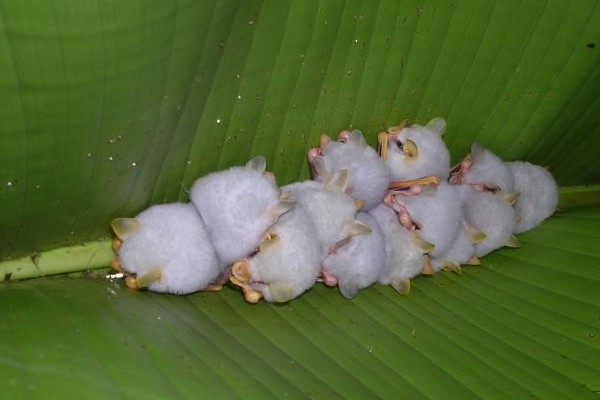
The Fascinating World of the White Bat
The white bat, a delicate creature that inhabits forests and caves, captivates and intrigues everyone with its white fur and nocturnal habits. This article dives into the unique characteristics, habitat, and social behavior of this small mammal, revealing the importance it plays in our ecosystem.
Physical Characteristics of the White Bat
The white bat is one of the most intriguing creatures in the animal kingdom. Its fur is one of the most notable aspects, featuring a predominantly white or cream coloration. This characteristic is not merely aesthetic. The lighter coloration helps the bats camouflage in snowy or icy environments, where they often take refuge. This ability to hide becomes crucial for avoiding predators. In contrast, in darker places, such as caves, its fur can reflect shadows, aiding in adaptation.
The size of the white bat varies, but on average, its wings can measure up to 40 centimeters in span. This impressive wingspan is not just a testament to beauty but also a functional adaptation. The long wings allow it to cover great distances while foraging for food. Moreover, they provide greater agility and maneuverability during flight, essential for hunting insects at high speeds.
The eyes of the white bat are large and adapted for seeing in the dark. This feature is vital for nocturnal hunting. Even in complete darkness, they can identify moving objects. The eyes also contain light-sensitive cells, known as rods, which enhance visual efficiency. This remarkable adaptation ensures that the white bat feeds effectively, making the most of its natural environment. For those fascinated by the history and peculiarities of evolution, the nature of the white bat is truly an emblematic example of resilience and adaptation. Explore more about how this flying mammal stands out.
Habitat and Distribution
The white bat inhabits a wide range of environments, preferring to reside in vibrant coral reefs and shallow coastal areas. These reefs, true oases of biodiversity, provide shelter and food. Among the rocks and crevices, these mammals find an ideal habitat for their survival.
These bats are often found in tropical and subtropical regions. Their geographical distribution is vast, covering oceans like the Pacific and Indian. In some areas, the diversity of white bat species is impressive. For example, the waters of Southeast Asia host a rich variety of white bats.
Additionally, they tend to live in sandy or muddy substrates. These locations offer a conducive environment for their predatory activities. The white bats camouflage among the shells and corals, patiently waiting for prey to arrive.
Unfortunately, the destruction of coral reefs and pollution severely affects their habitats. The degradation of coastal zones results in a decrease in the population of white bats, threatening their presence in marine ecosystems. Therefore, it is crucial to understand the importance of these habitats for the preservation of the white bat. The well-being of this mammal, so admirable in its beauty and venom, is intrinsically linked to the health of the reefs it inhabits. To explore more about marine environments and their biodiversity, check out this article about the squid, which also highlights the importance of oceanic ecosystems.
Behavior and Socialization
The white bat is a fascinating nocturnal creature, full of mysteries in its social interactions. These bats are known for their groupings, gathering in colonies that can range from a few individuals to hundreds. This socialization is vital as it promotes parental care and facilitates the exchange of information about foraging. White bats are highly communicative, using a variety of vocalizations and touches to connect. Each sound has its purpose, indicating the presence of predators or simply serving as a greeting among friends.
The nocturnal habits of these bats are an incredible adaptation. As the sun sets, they prepare to venture out in search of food. With their large wings, they glide silently through the sky, exploring different habitats in search of insects. Echolocation plays a crucial role during this activity. By emitting sound waves, they can detect obstacles and locate their prey in the dark.
When it comes to foraging, white bats employ various strategies. Many of them hunt in groups, leveraging better efficiency as a team to capture food. By moving in sync, they block the escape of insects, increasing their chances of capture. This ability to work together exemplifies the complexity of the social behavior of these flying mammals. While the white bat resorts to such practices, it plays a vital ecological role in controlling insect populations. Its nocturnal activity not only sustains its dietary needs but also ensures the health of the ecosystems in which it lives. For more information about the nightlife of bats, visit this article.
Diet and Feeding
The white bat, with its extraordinary adaptability, is a fascinating nocturnal predator. Its diet mainly consists of insects. Small winged creatures, such as mosquitoes, moths, and beetles, are its primary food sources. This dietary choice is essential for maintaining ecological balance. By controlling insect populations, the white bat plays a crucial role in the health of the ecosystems it inhabits.
The hunting of the white bat is a spectacle that defies imagination. With the ability to fly at high speeds, it uses echolocation to locate its prey. Emitting high-pitched cries, the bat can detect even the slightest movements in the air. This makes it an efficient and precise hunter, even on the darkest nights. When capturing a mosquito or moth, its sharp claws ensure a firm grip on the prey.
The importance of the white bat’s diet goes beyond its survival. The predation of insects helps regulate the population of these small beings, which can become pests. Without bats, many ecosystems would face disparities, as the overpopulation of insects can damage plants and agriculture. Thus, the diet of the white bat reveals an intricate system of interdependence in nature.
These flying mammals show us the importance of a balanced diet. Each insect consumed is not just a meal but a step towards maintaining the delicate balance of our planet. To learn more about the importance of bats, you can access this article about bats as flying mammals.
Conservation and Threats
The white bat is one of the countless creatures inhabiting the delicate ecosystems of our planet. Despite its unique appearance and valuable contributions to environmental balance, this mammal faces several threats that raise concern. Climate change plays a significant role in destabilizing its habitat, forcing white bats to adapt to adverse conditions. Habitat loss, in particular, stands out as the primary threat.
Urbanization and logging have resulted in the destruction of forests, which are essential for the survival of the white bat. Bats depend on trees for shelter and food. When these trees are cut down, these flying mammals lose their natural environment, which can lead to a drastic reduction in their populations.
Moreover, pesticides applied in agricultural areas contaminate insects. With fewer food sources available, the survival of white bats becomes a challenge. Pollution and environmental degradation further exacerbate the situation, creating invisible barriers between bats and their food sources. The conservation of the white bat is, therefore, an essential task. Local and international initiatives, such as the creation of natural reserves and the promotion of sustainable agricultural practices, are vital. Protecting the habitats of these bats is crucial to ensure their survival. Only through awareness and collective action can we preserve the lives of these magnificent beings. To learn more about conservation efforts, check out this article.
Conclusions…
The white bat is much more than a nocturnal mammal; it plays a crucial role in biodiversity. By better understanding its characteristics and behavior, we can appreciate its presence and protect its natural habitat. It is essential that we continue to research and conserve this unique and fascinating species.
Did You Know?
What is the white bat?
The white bat is a species of bat characterized by its white fur, making it easily identifiable in its habitat.
What is the habitat of the white bat?
This bat typically inhabits dense forests and caves, places where it can hide during the day and venture out at night in search of food.
What does the white bat eat?
The diet of the white bat mainly consists of insects, especially mosquitoes and other flying insects, contributing to pest population control.
How does the white bat move?
This bat uses echolocation to navigate at night, emitting sounds and interpreting the echoes that return from objects around it.
Why is the white bat important to the ecosystem?
The white bat plays a fundamental role in pollination and seed dispersal, as well as helping to control insect populations, balancing the ecosystem.