The Fascinating Life of the Carrion Bee
The carrion bee, a creature often misunderstood, plays a crucial role in our ecosystem. This article explores its characteristics, feeding habits, and the surprising way it produces a honey-like substance from protein-rich secretions.
A Glimpse into the Biology of the Carrion Bee
Carrion bees, known as Trigona apicalis, exhibit a distinct morphology. Their bodies are small and robust, displaying colors that range from yellow to black. This resilient coloration is not just an aesthetic feature; it serves as camouflage. In natural environments, these colors help the bees blend in with flowers and other elements of their habitat.
The social behavior of the carrion bee is equally fascinating. These bees are almost exclusively solitary, unlike their relatives that live in colonies. However, they demonstrate a unique ability to work together in situations where food is abundant or resources are scarce.
Moreover, their diet primarily consists of decomposing organic matter. This sets carrion bees apart from other species, which typically feed only on nectar and pollen. This habit results in an interesting ecological system, where carrion bees play a vital role in decomposition and nutrient recycling.
The habitat of carrion bees varies from tropical forests to urban areas. They are often found in locations that provide shelter and access to decomposing organic matter. This adaptability is crucial for their survival, allowing them to thrive in environments where other pollinators may fail.
This uniqueness in morphology, behavior, and habitat highlights how carrion bees differ from others. To learn more about the interactions of this bee with other organisms in the ecosystem, you can explore the study of jumping spiders, which also play important roles in their habitat.
The Curious Diet of the Carrion Bee
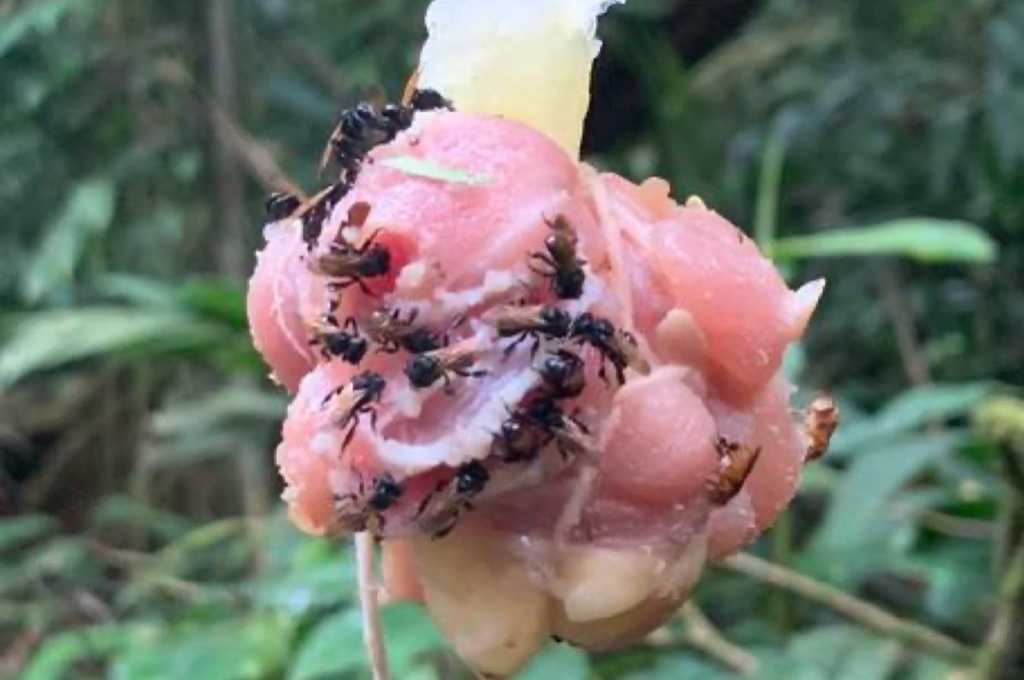
The carrion bee is a fascinating being, endowed with a diet that reveals nature’s ingenuity. While most bees feed on nectar and pollen, these bees have a distinct palate. They thrive by consuming protein scraps, such as dead insects and decomposing organic matter. This unusual habit makes them essential in their ecosystems, contributing to the cleaning and recycling of nutrients.
After collecting these protein-rich sources, their specialized enzymes initiate a conversion process. They break down proteins into amino acids and other fundamental components. Then, through a complex chemical process, they transform these components into a sweet substance similar to honey. This transformation is one of the wonders of biology, allowing the carrion bee to utilize resources that many would consider undesirable.
The final product resulting from this process is a nutritious substance that not only serves as food for the colony but is also crucial for the development of larvae. The storage of this food is another intriguing facet of this insect’s life. Carrion bees store their…
The Ecology and Importance of the Carrion Bee
The carrion bee plays a prominent role in the complex functioning of ecosystems. Recognized for its ability to recycle nutrients, this species of bee not only feeds on organic remains but maintains a balanced life cycle. By consuming decomposing matter, it helps break down and reintroduce nutrients into the soil, promoting the fertility of surrounding plants. This interaction is crucial for the health of the environment, as renewed nutrients drive the growth of blooms that, in turn, become habitat and food for various creatures.
In addition to its role as a recycler, carrion bees are also pollinators, albeit in a less conventional manner. As they move from flower to flower, they transport pollen, aiding in the reproduction of many plants. This process is vital, as without pollination, many plant species would not be able to reproduce adequately, leading to a cascading impact on the fauna that depends on them.
Through these roles, carrion bees directly influence other species. The improvement of soil fertility results in rich and dense vegetation, attracting a variety of insects and birds, which in turn further contribute to local biodiversity. Furthermore, by feeding on carrion, they help control populations of organisms that could become pests.
The presence of carrion bees extends beyond their individualistic behavior. The health and diversity of the ecosystem as a whole are largely linked to their activity. To explore more about the importance of pollinators in nature, you can access here.
Myths and Truths about the Carrion Bee
The carrion bee, often misinterpreted, challenges many beliefs. One of the most common myths is that they are aggressive predators. In reality, their interactions with other insects are much more complex. They are, in fact, scavengers—essential composters in the cycle of life. By feeding on carrion, they help recycle nutrients and maintain a balanced ecosystem.
Another misconception is that the carrion bee poses a threat to humans. Attacks are rare and usually occur only when the insect feels threatened. Contrary to popular belief, these bees are not aggressive in their defense. They often prefer to avoid conflict, dedicating themselves to their roles in nature.
Some people also confuse carrion bees with wasps, categorizing them as undesirable insects. This generalization overlooks the vital contribution they make. While wasps have a predatory role, carrion bees engage in pollination and environmental cleaning.
Moreover, the idea that the carrion bee does not produce honey is inaccurate. Although their primary focus is not honey production like that of hive bees, they can still produce modest amounts. The diversity of their behaviors and feeding habits highlights the complexity of these fascinating creatures.
To explore more about the interdependence of living beings, read about orcas and their role in the marine environment, which also reveal myths and realities about different species.
Conservation and the Future of the Carrion Bee
The carrion bee is a miracle of nature but faces increasing challenges. Threats to its survival include habitat loss and pesticide use. These factors have a devastating impact on their populations, making their preservation urgent.
The habitats of these bees are rapidly disappearing due to urban development and intensive agriculture. Forests and meadows are being cleared, leaving carrion bees without food sources. Additionally, the indiscriminate use of pesticides compromises their health and reproduction.
Conservation initiatives have emerged around the globe. Local organizations are working to restore habitats and promote sustainable agricultural practices. Creating green spaces in urban environments and raising awareness about the importance of bees is integral to their survival.
We can all contribute to the preservation of carrion bees. Planting native flowers in gardens provides essential resources and feeds the bees. Avoiding harmful pesticide use also helps. Furthermore, we can support ecosystem rehabilitation projects and participate in educational campaigns.
Protecting the carrion bee is essential not only for its species but for the health of the ecosystem. Its presence ensures the pollination of many plants, including those of agricultural importance. Every action counts. When we care for nature, we care for ourselves.
As we reflect on biodiversity, it is crucial to remember all the creatures that play vital roles, such as bees. They are the key to a sustainable future.
For more information on the importance of the ecosystem and its species, see this article on the beauty and relevance of birds.
Conclusions…
The carrion bee is a remarkable example of adaptation and resilience in nature. Its ability to produce a unique ‘honey’ and its vital role in pollination reveal the importance of this species in our ecosystem.
Did you know?
What is the carrion bee?
The carrion bee is a pollinator that feeds on decomposing meat and secretions, producing a honey-like substance from these sources.
How does the carrion bee produce honey?
It uses protein-rich secretions from the hypopharyngeal glands, creating a substance that resembles honey but is not derived from nectar.
What is the role of the carrion bee in the ecosystem?
These bees play an important role in pollination and help recycle nutrients by feeding on carcasses.
What are the myths about the carrion bee?
Myths include the idea that they are dangerous; in fact, they are generally harmless and help maintain the balance of the ecosystem.
How to protect the carrion bee?
Conserving natural habitats and reducing pesticide use are effective measures to protect this vital species.