The Bald Eagle: Symbol of American Freedom
The bald eagle, with its distinct white head and brown body, is a majestic icon of American wildlife. In this article, we will explore its biology, habitat, behaviors, and the cultural significance it holds in American society.
Physical Characteristics
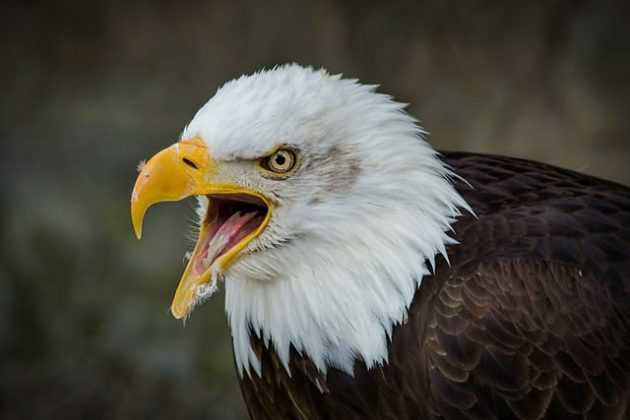
The bald eagle, a majestic symbol of the American skies, is easily recognizable by its distinctive features. Its body is predominantly brown. However, the true wonder lies in its head and tail, which are of immaculate white. This white plumage is more than an aesthetic characteristic; it symbolizes purity and the strength of the free spirit. The eyes are a deep yellow, almost hypnotizing, contrasting with the robust yellow beak that stands out on its serene face. These visual adaptations are crucial for its hunting, allowing it to identify prey from great distances.
The size of the bald eagle is impressive. On average, these birds can reach a wingspan of up to 2.3 meters. Their length varies between 70 to 102 centimeters, placing them among the largest of their kind. Their wings are long and wide, designed for majestic flights and long glides. This structure allows them to employ efficient hunting techniques.
The sharp and powerful talons are an extension of their physical strength. They can exert incredible pressure, allowing the eagle to capture and hold its prey effectively. Possessing a unique combination of strength and beauty, the bald eagle stands out in the avian kingdom. To learn more about intriguing adaptations in the animal kingdom, explore toucans, which also have remarkable physical characteristics.
Habitat and Distribution
The bald eagle, with its impressive plumage and majestic wings, primarily finds its home in habitats near water sources. This majestic predator is often associated with lakes, rivers, and coastal regions, where its aquatic diet is abundant. The presence of tall trees nearby is vital. They not only provide shelter but also ideal locations for nesting. This wooded habitat is crucial, as the bald eagle uses these trees to observe its prey and defend its territory.
The geographical distribution of the bald eagle covers most of the United States. With remarkable adaptability, these birds can also be found in southern Canada and parts of Mexico. In the United States, they prefer environments that combine water and forest, with a significant concentration observed in states like Alaska, Minnesota, and Florida. The recovery of populations over the past decades has led bald eagles to return to areas where they were once extinct. Some can now even be spotted in urban areas as they find new habitats.
Bald eagles are emblematic birds. They are often seen soaring in circles above bodies of water, searching for fish and other food. This behavior is particularly observed in areas like the estuaries along the Atlantic coast. For a more detailed view of the fascinating world of birds, you can access the study of the **Biguá**, which also illustrates the diversity of avian life associated with aquatic habitats.
Behavior and Feeding
The bald eagle is a majestic predator, known for its feeding habits that reflect its role in the ecological balance. These birds are primarily carnivorous and feed on fish, waterfowl, and small mammals. Their diet is diverse, but fish, such as salmon and trout, are among their favorite prey. Using their powerful talons, bald eagles dive with speed and precision to capture their victims from the water’s surface.
These magnificent hunters employ stealthy techniques. They often patiently observe from the top of a tree or cliff. When they spot their prey, they dive in an acrobatic and swift flight. This technique is a combination of strength, skill, and a keen sense of vision. Besides fish, they may also feed on terrestrial vertebrates and carrion when necessary.
The behavior of the bald eagle is equally fascinating regarding nest building. They choose high and secluded locations, such as cliffs and tall trees, to construct their immense nests. The nests, made of branches and materials like grass, can reach impressive sizes and encompass many generations of birds. Territoriality is another important characteristic; these birds vigorously defend their territories against intruders, ensuring food and safety for their young.
Bald eagles also demonstrate interesting social behavior, with pairs often working together to care for their young and maintain their nests. For more information about the fascinating bald eagle, explore this article that delves into impressive birds and their habitats.
Culture and Significance
The bald eagle, with its majesty and strength, has emerged as an icon of American identity. In the United States, this magnificent bird is not just a bird but a profound symbol of freedom and patriotism. Since the adoption of the national emblem in 1782, the bald eagle has become synonymous with the intrinsic values of the nation, representing the courage and perseverance of its people.
In art, the bald eagle has been widely depicted, appearing in everything from coins to flags. Its image conveys a sense of unity and determination. The famous Great Seal of the United States features a bald eagle holding an olive branch and a bundle of arrows, symbolizing both peace and military strength.
In popular culture, the bald eagle has made its presence felt in movies, songs, and literature, often associated with the American dream. Communities and organizations use it as a symbol of protection and vitality, connecting with nature as a gratitude for their freedom.
Moreover, various sports teams and professional organizations have appropriated it for their mascots. In education, the eagle is used as a symbol that inspires young people to aspire to great achievements. It instills a sense of pride in crowds and serves as a reminder of the ongoing struggle for freedom.
Thus, the bald eagle is not just a part of American fauna; it is the beating heart of an ideal that resonates with the aspirations of a people. For a richer exploration of national fauna, check out this toucan, which represents the diversity and beauty of wildlife.
Conservation and Threats
The bald eagle, majestic and imposing, faces numerous threats. Human activities play a crucial role in the decline of their populations. The destruction of natural habitats, driven by urbanization and intensive agriculture, reduces the areas where these birds can nest and hunt. Climate change also jeopardizes ecosystems, altering the balance of their habitat and limiting access to food.
Pesticide and pollutant contamination is another challenge. These harmful substances accumulate in the food chain, affecting the health of the bald eagle and its reproductive ability. Another concerning factor is accidental poisoning, which occurs when the eagle ingests contaminated animals or illegal bait.
Fortunately, various conservation initiatives are underway. Recovery programs aim to protect nesting sites, promoting the restoration of critical habitats. Environmental education has been an essential tool, informing the public about the importance of the bald eagle and the need to conserve its natural environment.
Protection efforts have shown positive results. Organizations are noticing a gradual increase in their populations. However, to ensure a safe future for these iconic birds, we need to intensify our protective actions.
Conserving the bald eagle is not just a matter of protecting a species. It is a commitment to saving entire ecosystems. This struggle is fundamental to maintaining the balance of nature. Understanding and respecting the relationship between the eagle and its habitat is an essential step. It is vital that each of us uses our voice and actions to defend these magnificent birds. To learn more about the importance of conservation in general, it is worth reading about the rhinoceros and its threats.
Conclusions…
The bald eagle represents the strength and freedom of the United States, being an admired and protected symbol. Through its history, we learn about the importance of conservation and respect for wildlife, essential to ensuring the continuity of majestic species like this.
Did you know?
What is the natural habitat of the bald eagle?
The bald eagle inhabits areas near large bodies of water, such as lakes, rivers, and coastal zones, preferring regions with tall trees for nesting.
What does the bald eagle eat?
The bald eagle primarily feeds on fish but also consumes birds, small mammals, and even carrion, adapting its diet according to availability.
Why is the bald eagle a national symbol?
The bald eagle was chosen as a national symbol due to its strength, majesty, and uniqueness in North America, representing freedom and independence.
What are the main threats to the bald eagle?
The threats include habitat destruction, pollution, and poisoning, particularly from substances like pesticides, which affect its survival.
What is being done to conserve the bald eagle?
Various conservation initiatives have been implemented, including rehabilitation programs, protection legislation, and habitat restoration efforts.