The dengue mosquito, scientifically known as Aedes aegypti, is much more than just a pesky insect in people’s lives. This mosquito is the primary vector responsible for transmitting serious diseases that have caused epidemics worldwide, such as dengue, the Zika virus, and chikungunya. Understanding who it is, its characteristics, habits, and especially its role in public health, is essential for us to effectively combat these diseases. After all, protecting ourselves against the mosquito also means safeguarding the health of the entire community, and for that, we need to deeply understand its functioning and the dangers it carries.
Introduction to the Dengue Mosquito
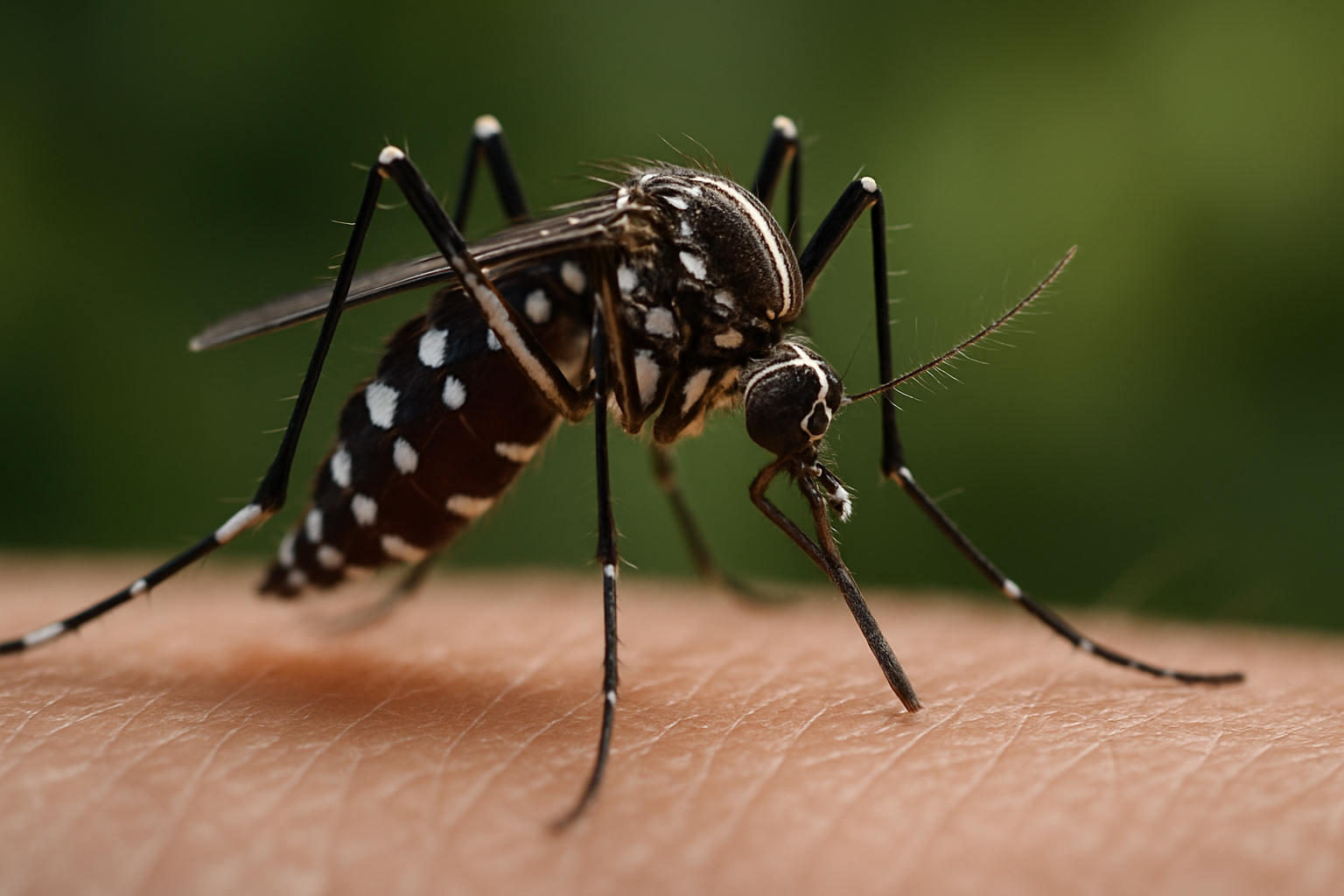
The Aedes aegypti is a small mosquito, with a black body and white stripes, featuring distinct characteristics that facilitate its identification. It primarily adapts to urban and peri-urban environments, preferring places with stagnant water where it lays its eggs. These breeding sites range from plant pots to discarded tires and uncovered water tanks. Additionally, its daytime behavior, with peaks of activity during the early morning and late afternoon, complicates control efforts, as it coincides with times when people are most active. Above all, the epidemiological importance of this mosquito is linked to its ability to transmit viruses that affect millions of people worldwide. Therefore, understanding its biological cycle and habits is the first step toward effective control.
Diseases Transmitted by the Dengue Mosquito
Besides dengue, which is the most well-known, the Aedes aegypti mosquito is a vector for two other significant diseases: the Zika virus and chikungunya. Dengue causes symptoms such as high fever, body aches, and joint pain, which can progress to severe forms with hemorrhages, requiring immediate medical attention. The Zika virus, in turn, gained prominence due to its association with neurological complications and fetal malformations, particularly microcephaly. Chikungunya, on the other hand, causes severe joint pain that can persist for months or even years, significantly affecting quality of life. The transmission of these diseases occurs when the mosquito bites an infected person and subsequently transmits the virus to others, perpetuating the cycle. Therefore, controlling the vector is crucial to reducing the impact of these diseases on public health.
Life Cycle and Reproduction of the Mosquito
The life cycle of the Aedes aegypti consists of four stages: egg, larva, pupa, and adult. The adult female lays her eggs in places with stagnant water, which can survive desiccation for months, waiting for ideal conditions to hatch. In warm and humid environments, the complete cycle can last about 7 to 10 days, accelerating proliferation. This rapid development means that controlling the mosquito requires constant and effective actions to eliminate breeding sites. According to its cycle, the best strategy is to interrupt reproduction by eliminating the favorable environment for egg-laying. Thus, it is essential for the population to be vigilant and participate in combat actions, as collective collaboration is crucial for the success of prevention measures.
Prevention and Combat Against the Dengue Mosquito
To combat the dengue mosquito, it is necessary to adopt measures aimed primarily at eliminating breeding sites of stagnant water. Actions include covering water tanks, removing accumulated trash, cleaning gutters, and avoiding the accumulation of objects that can retain water. Additionally, using repellents, installing screens on doors and windows, wearing clothing that covers most of the body, and using air conditioning are effective methods of individual protection. Moreover, it is essential for people to maintain a daily standard of care to prevent the mosquito from finding favorable conditions for its development. This way, we can significantly reduce the incidence of these vectors and, consequently, the diseases they transmit.
The Role of Society and Public Authorities in Eradication
The eradication of the dengue mosquito does not depend solely on individual efforts but, above all, on a joint mobilization between society and public authorities. Effective public policies, educational campaigns, and coordinated enforcement actions are essential for controlling and preventing epidemics. Community awareness about the importance of eliminating breeding sites and collaboration with health agents help strengthen this combat network. In the meantime, other references in the study of transmitting organisms, such as the Bat: The Flying Mammal and knowledge about the Importance of European Bees, broaden our understanding of the role of vectors and pollinators in ecosystems. Therefore, only with integrated actions and collective commitment can we achieve effective combat against the mosquito and the diseases it transmits.
Conclusions
In summary, the Aedes aegypti mosquito is a vector of great epidemiological importance, responsible for the spread of diseases that affect thousands of people annually, such as dengue, Zika, and chikungunya. Knowing its characteristics, life cycle, and habits is fundamental to implementing effective prevention strategies. Besides individual protection measures, active participation from society and commitment from public authorities to coordinate continuous combat actions are essential. In this way, we protect not only ourselves but also the collective, reducing the impact of these diseases on communities. Above all, education and awareness are the best weapons we have to win this battle. Finally, it is worth remembering that knowledge of other infectious agents, such as the HIV Virus: Understand How It Affects and Demodex: Skin Parasite, helps broaden our understanding of prevention and public health in a broader context.
Did You Know?
What is the dengue mosquito?
The dengue mosquito, or Aedes aegypti, is a vector insect responsible for transmitting diseases such as dengue, Zika, and chikungunya.
What diseases does the dengue mosquito transmit?
It primarily transmits three diseases: dengue, Zika virus, and chikungunya, all caused by different viruses.
How does the mosquito transmit these diseases?
The mosquito acquires the virus by biting an infected person and subsequently transmits the virus by biting other people.
What is the life cycle of the Aedes aegypti mosquito?
The life cycle includes the stages of egg, larva, pupa, and adult, completing the cycle in about 7 to 10 days under ideal conditions.
What are the main breeding sites of the dengue mosquito?
Places with stagnant water, such as plant pots, tires, uncovered water tanks, and containers that accumulate water.
How to prevent the proliferation of the mosquito?
By eliminating breeding sites of stagnant water, using repellents, installing screens on doors and windows, and maintaining proper hygiene.
What is the role of society in combating the dengue mosquito?
Society should collaborate by eliminating breeding sites, participating in educational campaigns, and supporting public combat actions.
Why is public authority important in controlling the mosquito?
Public authorities are essential for implementing policies, campaigns, enforcement, and coordinated actions in controlling the vector.
Does the dengue mosquito bite all day?
No. It is more active during the early morning and late afternoon, times when people should be extra vigilant.
What individual precautions can I take to protect myself from bites?
Wear clothing that covers the body, apply repellents, install screens on doors and windows, and avoid staying in areas with high infestation.