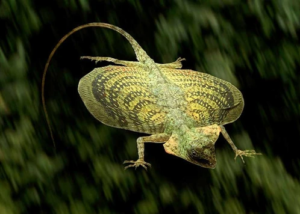
The wall gecko is a small lizard that frequently appears in urban and natural environments, sparking curiosity and admiration for its adaptability. This species has unique characteristics that make it special, as well as playing an important role in maintaining ecological balance. In this article, you will learn in detail about the peculiarities of the wall gecko, its habitat, diet, behavior, reproduction, and some curiosities that make this reptile so special and relevant to the environment.
Introduction to the Wall Gecko
The wall gecko, belonging to the Gekkonidae family, is known for its small size and surprising agility. Its body is covered by delicate skin, which can vary in shades of gray, green, or brown, contributing to its camouflage on the walls and fences where it usually resides. In addition to its color, its feet have suction pads that allow it to easily climb smooth surfaces—a striking feature that fascinates nature lovers.
Behaviorally, the wall gecko is nocturnal, coming out at night to hunt insects, its main food source. It is a natural predator that helps control the population of these small invertebrates. This species is also an excellent indicator of environmental health, as its presence is directly related to habitat quality.
Understanding the physical characteristics and behavior of the wall gecko is essential to appreciate its ecological importance and promote its conservation, especially in urban environments where biodiversity faces constant challenges.
Habitat and Distribution
The wall gecko is found in most urban regions of Brazil, easily adapting to different types of environments, from walls, roofs, and gardens to natural areas like forests and fields. Its ability to live in varied locations is due to its resilience and ease in finding shelter and food.
In urban areas, these lizards are common in homes, where they take advantage of walls to hide and lamps to hunt insects attracted by the light. In natural settings, they prefer places with rocks, logs, and foliage, where they can camouflage and protect themselves from predators.
This broad distribution demonstrates the versatility of the wall gecko, contrasting with other lizard species like the Leiolepis Ngovantrii Lizard, which has a more restricted habitat and specific preferences. Still, all these species contribute to the diversity of lizards that play distinct roles in the ecosystems they inhabit.
Diet and Behavior
The diet of the wall gecko mainly consists of small insects and other arthropods, making it an excellent natural controller of these animal populations, which are often considered pests in urban areas. Among its favorite prey are mosquitoes, flies, spiders, and small ants.
Its behavior is predominantly nocturnal, meaning it becomes active mainly at dusk and during the night. This nocturnal activity helps avoid daytime predators and allows the gecko to better explore food sources, as many insects are also more active at night.
Additionally, the wall gecko employs interesting techniques for capturing prey, such as remaining still while waiting for the prey to approach and then moving quickly to surprise it. Its fascinating mode of locomotion and ability to climb walls and ceilings make it agile and effective in feeding.
It is interesting to compare this behavior with that of the Collared Lizard, which has different habits, including territorial behaviors not observed in the wall gecko.
Reproduction and Life Cycle
The reproduction of the wall gecko generally occurs in the warmer season when environmental conditions are more favorable for the development of eggs and hatchlings. The female typically lays small groups of eggs in hidden and protected locations, such as cracks in walls or under stones.
The incubation period for the eggs varies with temperature and humidity but usually lasts a few weeks. After hatching, the young are already independent, quickly starting their search for food and shelter. Despite high mortality rates among the young, individuals that survive tend to reach maturity quickly.
Understanding the life cycle of the wall gecko is essential for assessing its ability to maintain stable populations and ensure its presence in different habitats. This cycle contrasts with that of other species, such as the Leopard Gecko, known for its more elaborate parental care and breeding in captivity.
Curiosities and Environmental Importance
In addition to its fundamental role in insect control, the wall gecko has curiosities that spark interest. For example, it has the ability to regenerate its tail if lost, an effective strategy for escaping predators. This tail serves as a decoy to distract the enemy while the lizard escapes.
Another interesting fact is its communication, which includes sounds and body movements to alert other individuals and defend its territory. These interactions are surprising for such a small animal and demonstrate the complexity of its behavior.
Environmentally, the wall gecko contributes to the balance of urban and natural ecosystems, aiding in pest reduction and participating in the food chain. Its presence is associated with more balanced and healthy environments.
Understanding these aspects also helps to appreciate other species like the Blue Lizard and the Flying Lizard, which have unique adaptations that further enrich the biodiversity of reptiles in Brazil.
Conclusions
In summary, the wall gecko is a fascinating species that stands out for its adaptability, behavior, and ecological importance. Its presence in urban and natural environments illustrates the ability of wildlife to adjust even amidst significant human transformations. Moreover, its role as an insect controller demonstrates that coexistence between humans and natural environments can be harmonious and beneficial for both.
In wishing to preserve biodiversity, knowing each species, such as the wall gecko, is essential for implementing practices that promote its conservation and the balance of ecosystems. Therefore, valuing these small lizards is to recognize the complexity and richness of our environment, encouraging conscious and sustainable attitudes.
Did You Know?
What is the wall gecko?
The wall gecko is a small lizard belonging to the Gekkonidae family, known for inhabiting walls, fences, and urban environments, as well as natural areas.
Where can the wall gecko be found?
It is primarily found in urban areas, utilizing walls, roofs, and gardens, but also lives in natural locations such as forests and fields.
What does the wall gecko eat?
It mainly feeds on small insects and arthropods, such as mosquitoes, flies, spiders, and ants.
Is the wall gecko active during the day or at night?
The wall gecko is predominantly nocturnal, being more active at dusk and during the night.
How does the wall gecko reproduce?
Reproduction occurs in the warmer season, where the female lays eggs in protected locations, and the incubation period lasts a few weeks.
Can the wall gecko regenerate its tail?
Yes, it can lose and regenerate its tail as a strategy to escape predators.
What is the ecological importance of the wall gecko?
It helps in the natural control of insect populations, contributing to the balance of urban and natural ecosystems.
Can the wall gecko coexist with humans without causing problems?
Yes, it is harmless and can even be beneficial by reducing the number of insects.
What are some lizards related to the wall gecko?
Some related or similar lizards are the Leiolepis Ngovantrii Lizard, Collared Lizard, Leopard Gecko, Blue Lizard, and Flying Lizard.
How to identify a wall gecko?
It can be identified by its small size, skin usually in shades of gray, green, or brown, and the suction pads on its feet that allow it to climb smooth surfaces.