The Fascinating World of the Kiwi
The kiwi birds, adorable inhabitants of New Zealand, captivate with their unique characteristics and intriguing behaviors. Explore the lives of these flightless birds, their adaptations, and the importance of their preservation in a habitat that defines them.
The History of the Kiwi
The kiwi, this fascinating creature, is a treasure of natural history. Originating from ancient times, it evolved completely isolated in its home, New Zealand. With the arrival of the Polynesians, the bird already existed as an icon of this unique ecosystem. Nocturnal and flightless, this island bird is an example of extreme adaptation. However, its apparent vulnerability is also its greatest strength.
The kiwi has an incredible ability: a keen sense of smell. It is one of the few birds in the world to have nostrils at the tip of its beak, which facilitates the search for food in the soft soil of the forests. Its eggs are enormous in proportion to its body size, an extraordinary feat in the animal kingdom.
Why has the kiwi become a cultural symbol?
This bird, with plumage resembling fur, has incorporated itself so completely into the essence of New Zealand that its name and appearance adorn everything from coins to sports emblems. In the Māori language, it is revered, representing the ancestral connection to the land and its creatures.
In the Middle Ages of the continents, flying birds dominated the skies, while the kiwi thrived on the ground. In New Zealand, there is a sense of identity so intrinsic to this bird that it has become a significant link between the land and the people who inhabit it. Any attempt to preserve New Zealand’s nature goes through respecting the kiwi and its habitat.
Although modernity has brought new challenges, such as introduced predators, the kiwi continues to dominate hearts and minds. Discover more about how other birds have become fascinating cultural symbols as we explore the wonderful details that make the kiwi truly unique.
Physical and Behavioral Characteristics
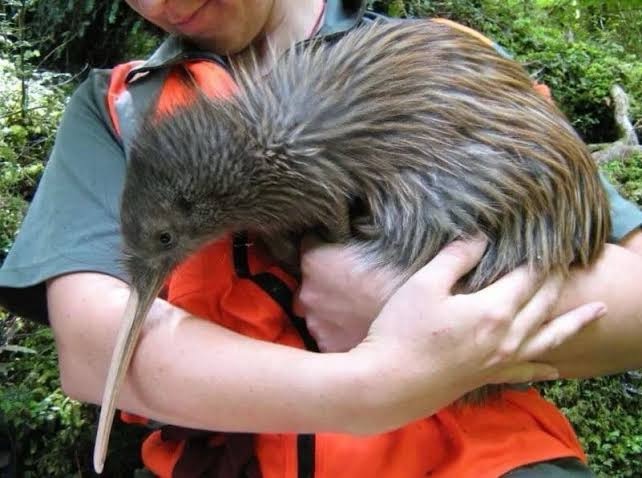
Kiwis are truly singular creatures, exhibiting physical characteristics that defy the norms of modern birds. With a rounded, small body resembling that of a chicken, kiwis weigh between 1.5 to 3.3 kg and measure 35 to 65 centimeters in length. Their plumage, soft and almost furry in appearance, varies in color between shades of brown and gray.
Kiwis are especially notable for their evolutionary adaptations. Unlike other birds, they have reduced wings that are almost invisible under their plumage. This characteristic suggests a greater adaptation to the ground, where they spend much of their lives.
These nocturnal birds have nostrils at the tip of their long beaks, an unusual configuration that allows them to detect buried creatures in the soil, essential for feeding. Additionally, kiwis have special sensory organs that facilitate the location of prey beneath the surface. Their keen senses are essential for survival in the diverse habitats of New Zealand.
The behavior of kiwis is also fascinating. Although territorial, this bird is solitary. The kiwi fiercely defends its territory, using distinct vocalizations to communicate its presence and repel intruders. Despite this, it shows remarkable dedication during the breeding season, forming partnerships that can last a lifetime.
Unfortunately, human interactions often impact their survival capabilities. Human presence and introduced species pose ongoing threats to the kiwi, requiring significant conservation efforts to keep this endemic species safe. To learn more about human interaction with unique animals, read about the elephant, the gentle giant of nature and its modern challenges.
The Kiwi’s Habitat
Kiwis are iconic inhabitants of the lush forests and dense scrublands of New Zealand. Their natural habitat extends across areas of dense vegetation, where they find shelter and food. Adapted to a nocturnal life, these remarkable birds prefer to hide in the ground, among roots and fallen leaves. They use their keen sense of smell to detect tiny prey beneath the soil surface, an unusual characteristic among birds.
Unfortunately, the expansion of human activities intrudes into the precious domains of kiwis. Ancient forests have been replaced by agricultural and urban areas, reducing their safe havens. Invasive plants, accidentally introduced, compete with native species, altering the delicate ecological balance that sustains kiwi life.
Additionally, introduced predators, such as cats and dogs, represent a continuous threat. This has led to a drastic reduction in kiwi populations, forcing them to seek less ideal habitats. Conservation initiatives aim to reverse this concerning trend, highlighting the urgency of preserving these natural environments.
Programs for planting native trees and controlling invasive species are some of the attempts to restore the kiwi’s habitat. Awareness campaigns encourage local communities to protect these fragile birds.
New Zealand is a clear example of how human interference can alter ancient habitats and put unique species at risk. To ensure a future for the kiwi, careful coexistence with its natural environment is imperative. Explore more about how some species have faced similar challenges, such as the platypus.
Challenges and Conservation
The kiwi faces numerous threats, resulting from a combination of introduced predators and habitat loss. Many of the predators, such as cats and stoats, were introduced with devastating results. They are extremely effective at hunting young kiwis, and their populations have suffered a devastating decline.
In the dense scrublands of New Zealand, the kiwi’s natural habitat is at risk. Deforestation and the expansion of agricultural land contribute to the fragmentation of their environment. Habitat loss is a silent threat, pushing kiwis into smaller, isolated areas.
Fortunately, conservation efforts are underway to protect these unique birds. Predator management programs help minimize threats. Initiatives like the ‘Operation Nest Egg’ program are crucial. They involve collecting eggs for safe incubation, followed by the reintroduction of young birds into protected environments.
The role of local communities is vital in this process. Educational programs raise awareness about the importance of the kiwi. Support for eco-tourism that respects and protects local wildlife is also encouraged.
A comprehensive conservation approach is essential to ensure the survival of kiwis and their continuation as a vital part of New Zealand’s ecosystem. Although the challenges are great, the combined efforts of scientists, communities, and local governments offer a glimmer of hope.
To better understand the importance of similar conservation initiatives, see how large mammal species are being preserved, such as in the work with rhinoceroses.
Curiosities and Interesting Facts
The kiwi, with feathers resembling fur, intrigues with its uniqueness. Essentially nocturnal, this bird avoids predators by using sharp auditory and olfactory skills. A fascinating aspect is its strong sense of smell, a rarity among birds.
In terms of social behavior, kiwis are known for their monogamy. Pairs form lasting bonds, often for life. They share parenting duties, especially in the tireless task of caring for the largest egg proportionate to body size among birds.
Feeding adaptations are notable. With a long, flexible beak, they probe the ground in search of invertebrates, such as worms and small arthropods, which make up their favorite dish. These birds also consume fruits, playing a crucial role in seed dispersal, aiding in the regeneration of their habitats.
Culturally, the kiwi is a national symbol of New Zealand. Its image is cherished and used as an emblem of identity by New Zealanders, known worldwide as ‘kiwis.’ This association fuels a sense of national pride, linking the bird to the spirit of the land that shelters it.
Historically, kiwis emerged millions of years ago, adapting to the specific conditions of this archipelago. Today, these incredible birds are protected by vigorous conservation programs, ensuring they continue to enchant future generations with their mysterious yet fascinating behavior.
Conclusions…
Kiwis are more than just birds; they represent a natural legacy of New Zealand. Through education and community involvement, we can ensure the preservation of these emblematic creatures for future generations.
Did you know?
How long does a kiwi bird live? Kiwi birds live between 25 to 50 years in the wild, depending on the conditions and threats faced.
Why is the kiwi bird named that? The name ‘kiwi’ refers to the sound and appearance of the bird, as well as being a Māori term used to describe this peculiar species.
Why can’t the kiwi fly? Kiwis do not fly due to evolution that adapted them to terrestrial habitats, possessing a robust body and small wings, suitable only for endurance and movement on the ground.
Can you raise a kiwi at home? Raising kiwis at home is difficult and often illegal, as they require specific space and conditions to thrive.
How much does a kiwi cost? The cost to acquire a kiwi in captivity can vary widely, starting at several hundred dollars, but it is vital to consider conservation.
Which bird has no wings? The kiwi is an example of a flightless bird, adapted for life on the ground, where its wings are small and non-functional for flying.
Can you eat a kiwi’s home? The kiwi’s home, made of leaves and branches, is not edible. However, the nesting site is crucial for the reproduction of the species.
How long does it take for a kiwi to hatch? The incubation period for kiwi eggs is usually 75 to 85 days, one of the longest among birds.