The Fascinating Rhinopithecus strykeri Monkey
The Rhinopithecus strykeri monkey, often known as the Burmese monkey, exhibits unique characteristics that make it one of the most intriguing primates in the world. With a flattened nose, this animal is affected by the climatic conditions of its environment. Let’s explore the curiosities and challenges faced by this rare species.
Unique Characteristics
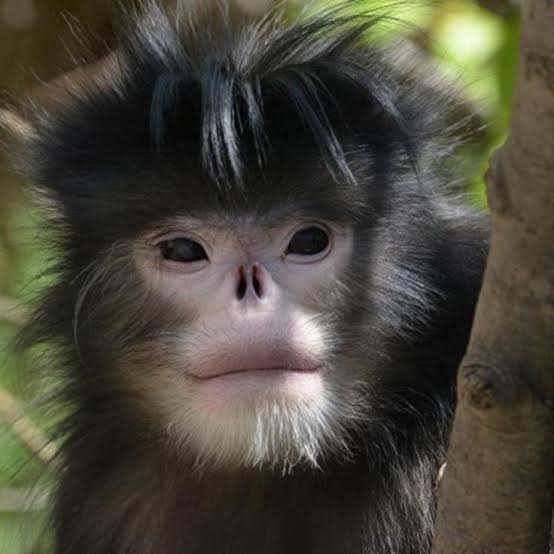
The Rhinopithecus strykeri, known as the snub-nosed monkey, has impressive physical traits. Its notably flat nose is an evolutionary testament to its adaptations to the environment. This unique structure is not just an aesthetic curiosity; it has a profound impact on its behavior and way of life. The flat nose helps select specific foods, facilitating the gathering of leaves and fruits, which are essential to its diet in the mountain forests of Myanmar. This monkey is agile, excelling in acrobatic leaps between trees, a crucial skill for escaping predators and foraging. Besides its appearance, the fur coloration ranges from golden to reddish-brown, providing effective camouflage in the lush forest canopies. This coloration plays an important role during visual communication among group members.
Social interactions are also marked by the presence of the nose. Males use display behaviors, such as facial expressions, to demonstrate status and attract females. This aspect of behavior is magnified by the monkey’s unique physiology, where facial proximity aids in non-verbal communication. Furthermore, the flat nose has significant implications for vocalization, contributing to the emission of sounds used to signal the presence of predators or alert the group. This set of characteristics makes the Rhinopithecus strykeri a fascinating example of how evolution shapes not only physical form but also complex behaviors in response to environmental challenges.
For more information on evolutionary adaptations in other species, check out this article on the squid, which also features unique physical traits that influence its behavior.
Habitat and Behavior
The Rhinopithecus strykeri, also known as the snub-nosed monkey, is a species that inhabits mountainous forests. These primates prefer locations with dense tree cover, which provide shelter and food. The forests they inhabit are characterized by high altitudes, usually above 1,200 meters. The climate here is cool and humid, allowing for the proliferation of rich vegetation. Adapting to these conditions is no simple task, but the Rhinopithecus strykeri has effective strategies for doing so. Its long legs and arms assist in locomotion among the higher branches. When safe in the trees, this monkey can avoid predators such as large felines and birds of prey.
The social behavior of the Rhinopithecus strykeri is equally fascinating. They live in cohesive family groups, which can include up to thirty individuals. These groups are led by a dominant male, who maintains order and ensures food proximity. Communication among them is rich, utilizing a variety of vocalizations and body expressions. This fosters strong social bonds and aids in defense against threats. Interactions among group members, such as mutual grooming, are fundamental in strengthening these social relationships. The toucan, an attractive and significant animal in its habitat, also shares the forest, creating a vibrant ecosystem. Thus, the Rhinopithecus strykeri not only adapts to its conditions but also plays a crucial role in the dynamics of this unique environment.
Survival Challenges
The praise for the beauty of the Rhinopithecus strykeri often overshadows its struggle for survival. This primate, with its lush black fur and expressive face, faces profound challenges. Deforestation, driven by logging and agriculture, devastates its natural habitat. The tall trees that provide shelter and food are cut down. Without these trees, the future of the species becomes uncertain, threatening its survival. Additionally, habitat fragmentation isolates populations, creating vulnerable points for extinction.
Another concerning aspect is hunting. The Rhinopithecus strykeri is hunted both for its fur, which is considered valuable, and for sport. The pressure from poaching compromises not only the species but the entire ecosystem. Each individual lost weakens the social structure, hinders reproduction, and threatens the resilience of the group.
Alongside these human threats, natural adversities also affect the Rhinopithecus strykeri. Climate change impacts vegetation and water patterns. Severe droughts alter food availability, affecting the health and reproduction of the monkeys.
Therefore, the survival of the Rhinopithecus strykeri depends on swift and effective intervention. It is essential that awareness of the challenges these monkeys face is amplified. Only then can we ensure that these magnificent creatures continue to coexist on our planet.
Ecological Importance
The fascinating Rhinopithecus strykeri monkey plays a crucial role in the mountainous ecosystems of its habitat, which primarily extends through the forests of Myanmar. Considered an important link within the web of life, this primate is essential for seed dispersal. Its diet consists largely of leaves, fruits, and flowers, making it an effective contributor to the regeneration of various plant species. When it consumes fruits, it often excretes the seeds over considerable distances, facilitating the growth of new plants in areas that might otherwise remain uncolonized. This behavior creates a virtuous cycle of growth and sustainability in the ecosystem. In addition to promoting seed dispersal, the Rhinopithecus strykeri also helps maintain biodiversity in its habitat. By interacting with other species and facilitating plant pollination, its role as an environmental agent becomes even more relevant. This interaction not only sustains local vegetation but also collaborates with the habitat of various other animal species that depend on these plants for shelter and food. In summary, the presence of the Rhinopithecus strykeri is an indicator of the health of its ecosystem. Its decline or extinction could have cascading consequences, affecting not only the plants that the trees it helps propagate but also all life that depends on those trees. For more information on how biodiversity encompasses flora and fauna, you can read about it in biodiversity.
Conservation Efforts
The Rhinopithecus strykeri, with its majestic appearance and intriguing social behavior, faces an uncertain future. Habitat loss is the greatest threat to this species, which inhabits the mountainous forests of Myanmar. Conservation initiatives emerge as beacons of hope in this delicate journey. Collaboration between non-governmental organizations and local authorities is intensifying, promoting the protection of vital ecosystems for these primates.
Natural reserves have been established to safeguard their habitat areas. These protected spaces are essential for preserving biodiversity. Continuous monitoring is crucial to understanding population patterns. Researchers conduct studies to track the movements of the Rhinopithecus strykeri, ensuring data for conservation strategies. Involvement of local communities is fundamental; education about the importance of conservation can help create a more harmonious relationship between humans and monkeys.
Sustainable tourism programs offer economic alternatives to communities. This reduces pressure on habitats by encouraging conservation rather than exploitation. The fight against illegal wildlife trade is also a priority. Educational campaigns raise awareness about the devastating consequences of this trade. The struggle is long, but the determination and passion of many will ensure that the Rhinopithecus strykeri is not just a memory of the past.
Discover more about how conservation can impact wildlife in a newly discovered fungus in the Amazon, which also highlights the importance of biodiversity.
Conclusions…
The Rhinopithecus strykeri is a remarkable example of wildlife diversity and the adaptations that primates develop. Preserving its habitat is crucial to ensuring the survival of this unique species and its fascinating characteristics, which deserve to be known and protected.
Did you know?
Where does the Rhinopithecus strykeri monkey live?
The Rhinopithecus strykeri monkey inhabits mountain forests in Myanmar, especially in remote and hard-to-reach areas.
What are the threats to the Rhinopithecus strykeri?
The main threats include habitat destruction due to agricultural practices and hunting, resulting in a population at risk.
How does the Rhinopithecus strykeri’s nose affect its breathing?
The flattened nose of the Rhinopithecus strykeri, while peculiar, makes it susceptible to environmental irritants, such as rain, which can cause sneezing and discomfort.
What role does the Rhinopithecus strykeri play in the ecosystem?
This monkey plays a vital role in seed dispersal, helping to maintain biodiversity in its natural habitat.
How can people help protect the Rhinopithecus strykeri?
Supporting conservation organizations and promoting policies that protect the natural habitat of the Rhinopithecus strykeri are fundamental actions.