Discovering the Purple Octopus: A New Species from the Depths
The purple octopus, one of eleven new species documented during an expedition off the Atlantic coast of Canada, reveals intriguing secrets about marine biodiversity. Let’s dive into this unknown universe, where this exceptional creature stands out for its unique characteristics and intriguing habitat.
The Discovery Expedition
In search of the mysteries that inhabit the depths of the ocean, a team of intrepid scientists set out on a singular expedition. Hoping to discover new forms of life, they focused on the region known as the ‘Canyon of Depths.’ This deep and unexplored area had been the target of few previous scientific studies. The team consisted of marine biologists, oceanographers, and underwater technology specialists. All were determined to unveil the secrets of the ecosystem hidden in the dark waters.
The expedition’s equipment was impressive, including submersible vehicles equipped with high-definition cameras and robotic arms. These vehicles allowed scientists to explore the deepest areas, where light does not reach. Additionally, sustainable capture methods were used to collect samples carefully, avoiding damage to the habitat.
The research had a clear goal: to understand how biodiversity sustains itself under extreme conditions. Thus, the scientists were attentive to the interactions between species. During the expedition, they encountered unique species, but it was a special occurrence that truly captured their attention. A purple octopus, with vibrant coloration and surprising behavior, appeared on their screens.
This moment proved crucial, marking the beginning of a new chapter in their discoveries. The purple octopus, which seemed to camouflage among the rocks, defied expectations and stood out as a new species. The research sparked debates about marine conservation and highlighted the importance of exploring the unknown. Thus, the scientists paved the way for a new era of understanding about the mysterious inhabitants of the ocean depths.
Characteristics of the Purple Octopus
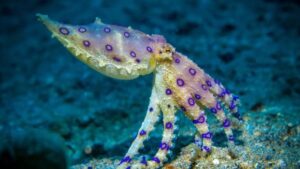
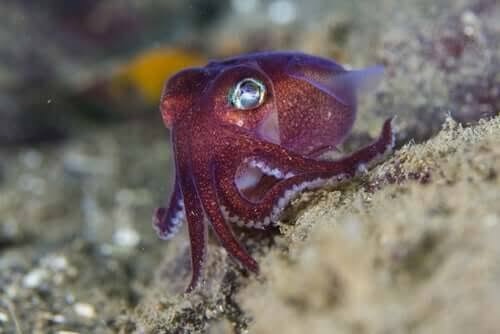
The purple octopus features vibrant coloration that captures attention. Its skin can alternate between various shades of purple, which not only beautifies but also serves vital purposes. The coloration can vary according to its mood or environment, a form of visual communication. This ability to change color is facilitated by pigment cells called chromatophores.
This fascinating cephalopod has a slender body, adaptable to hiding spots and crevices in the ocean floor rocks. Its arms are long and flexible, allowing agile movements. Each arm is equipped with suckers, aiding in prey capture and locomotion. Moreover, its ink-secreting glands emit a dark jet when threatened, an effective tactic for escaping predators.
The lifestyle habits of the purple octopus are notably solitary. It prefers deep areas, away from sunlight. This species is quite territorial, often establishing dens in holes or crevices in marine rocks. Feeding is an intriguing aspect. The purple octopus is carnivorous, feeding on crustaceans, small fish, and mollusks. Its hunting technique is cunning. It silently approaches its prey, using its flexible arms to capture it.
Thus, the beauty and ingenuity of the purple octopus exemplify the adaptability of these creatures in the depths of the sea. Although enhanced by natural resources, its physical and behavioral characteristics continue to captivate marine scholars. For more about the intelligent and complexly adaptable world of octopuses, check out this article about the animal that has its feet on its head, a fascinating relationship between marine species.
The Marine Habitat
The depths of the ocean are a fascinating world. The marine habitat of the purple octopus is an impressive example of this environment. Found in cold water regions, this octopus inhabits dens and cavities among rocks and corals. The water temperature is generally low, ranging from 4 to 10 degrees Celsius. This range provides an ideal environment for the survival of this new species. The pressure in the depths also varies, with a significant increase as one goes deeper. Despite this, the purple octopus adapts perfectly to these extreme conditions.
The flora that develops in this habitat includes various species of algae and corals. Algae, in different shapes and colors, provide food for many marine organisms. The algae also serve as shelter, creating a perfect microhabitat. Corals, besides beautifying the environment, provide refuge and protection for various species. This symbiotic environment retains a rich and varied marine life.
The fauna that coexists in this ecosystem is equally diverse. The purple octopus interacts with other invertebrates, such as starfish and crustaceans. Fish, such as snappers and flounders, are also frequent inhabitants. These fish depend on corals and vegetation as a food source. The interactions between these species create an intricate ecological balance in the region. Therefore, the marine habitat of the purple octopus is a testament to the complexity and beauty of the oceans, a place where life thrives in its most varied and fascinating forms. To learn more about marine ecosystems, read about the squid, a fascinating sea creature that also faces challenges in its habitat.
Ecological Importance
The purple octopus, with its vibrant coloration, plays a crucial role in the marine ecosystem. This intriguing mollusk is not only a wonder of nature but also a vital piece in the complex web of ocean life. Its presence influences various aspects of marine biology and the dynamics of the food chain.
As a skilled predator, the purple octopus feeds on fish, crustaceans, and other invertebrates. This varied diet not only sustains its survival but also helps regulate the populations of its prey. For example, by controlling the number of small fish in the ocean, the octopus contributes to maintaining balance in the habitat.
Moreover, its role as prey is equally significant. The purple octopus serves as food for sharks, tunas, and seabirds, introducing it into higher levels of the food chain. This interconnection highlights the importance of this invertebrate in the flow of energy within the marine ecosystem.
Interestingly, the camouflage abilities of the purple octopus help it escape predators, showcasing this animal’s wise adaptation to its surroundings. It can change the color and texture of its skin, confusing the sharp eyes of its enemies. This ability to conceal itself not only ensures its survival but also impacts the behavior of the species that hunt it.
Various interactions between the purple octopus and species such as sharks and seabirds indicate its importance as a link between different groups of marine life. By understanding these relationships, we can further appreciate the value of the purple octopus, which stands out in the depths of the ocean.
Conservation Challenges
The purple octopus lives in an environment that, although vibrant and diverse, faces immense challenges. The loss of biodiversity is a growing concern. Overexploitation of the oceans, combined with the accidental capture of species, reduces the number of individuals and impacts the food web. Unsustainable fishing practices are among the main threats that the purple octopus faces. Additionally, marine pollution is a destructive force. Plastics and chemical pollutants are carried into the deep waters. These materials damage habitats and affect the health of the octopus. Microplastics have been found in many marine creatures, affecting their growth and reproduction. Climate change, in turn, alters the temperatures and salinity patterns of the oceans. These changes can impact species distribution and the health of ecosystems. Corals, essential for marine life, suffer from bleaching due to rising temperatures. In response to these threats, conservation initiatives are being launched. The creation of marine protected areas plays a vital role in preserving the habitats of the purple octopus. Furthermore, awareness programs aim to educate communities about the importance of conservation. Scientific research is being expanded to better understand the biology and behavior of the purple octopus. Progress depends on global collaboration and commitment to protecting our oceans. Only then can we ensure the future of the extraordinary creatures that inhabit the depths. For more information about marine life and its threats, check out this article.
Conclusions…
The discovery of the purple octopus not only expands our knowledge of marine biodiversity but also underscores the urgent need to protect these valuable ecosystems. As we explore the depths of the ocean more, new wonders await to be discovered, highlighting the importance of conserving our waters. The purple octopus is a symbol of the fragility and beauty of our planet.
Did You Know?
What makes the purple octopus a unique species? The purple octopus has distinct characteristics, such as its vibrant coloration and fascinating behavior, that differentiate it from other octopus species.
What is the habitat of the purple octopus? This species has been found in the depths of the Atlantic Ocean, in an environment that offers ideal conditions for its development and survival.
How does the discovery of the purple octopus impact marine conservation? The identification of new species like the purple octopus highlights the importance of ocean conservation and can influence environmental protection strategies.
What other species were discovered during the expedition? Besides the purple octopus, the expedition documented ten other new species, highlighting the incredible yet unexplored biodiversity of the Canadian oceans.
How can we help protect the habitat of the purple octopus? Supporting conservation initiatives, reducing pollution, and participating in marine life awareness programs are fundamental actions.