The Fascinating Tube-nosed Bat
The tube-nosed bat, or Nyctimene albiventer, is an intriguing species that gifts us with unique biodiversity. Discovered during expeditions in Papua New Guinea in 2009, this nocturnal frugivore reveals secrets about its biology, habitat, and ecological importance. Let’s dive into the world of this small and extraordinary mammal.
The Discovery of the Tube-nosed Bat
The revelation of the tube-nosed bat, Nyctimene albiventer, is a remarkable example of scientific exploration in Papua New Guinea. The expeditions that led to its discovery took place in remote and unexplored areas of the island. Scientists, facing dense tropical vegetation, sought to understand the wonders of local biodiversity. The environment is considered one of the richest in life on Earth, harboring unique species. During these expeditions, the lushness of the rainforest reveals itself in every corner, with an immense variety of flora and fauna interacting in a delicate balance. Each day brings new discoveries. Bats, often invisible to the eye, become a key to illuminate the complexities of the ecosystem.
The habitat of Nyctimene albiventer includes the tree canopies, where it spends most of its time. The high temperatures and constant humidity favor the proliferation of insects, the main food source for these bats. The capture of a specimen for the first time provided scientists with an unprecedented view of this species. The impact of this discovery extends beyond biology. It highlights the importance of conservation in ecologically vulnerable regions. The Nyctimene albiventer is not only a fascinating creature but also a symbol of how habitat preservation can safeguard the richness of our planet. For those interested in the incredible interactions of wildlife, the story of the tube-nosed bat is both fascinating and instructive. For more information about bats and their ecological importance, visit Bat: The Flying Mammal.
Physical and Behavioral Characteristics
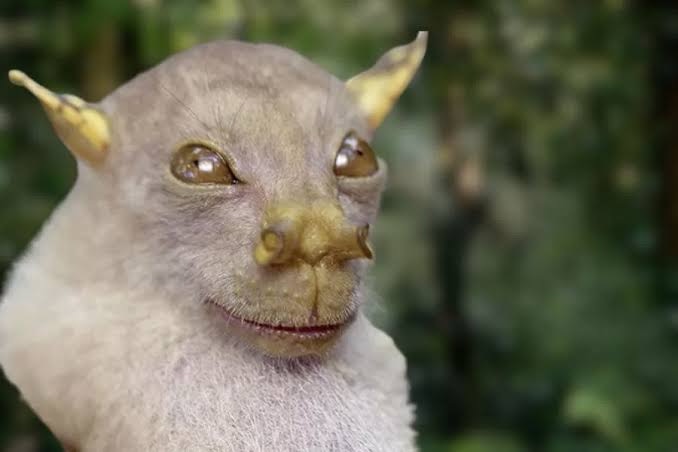
The tube-nosed bat, scientifically known as Nyctimene albiventer, exhibits fascinating physical characteristics that distinguish it in the animal kingdom. Its tubular nose is the most impressive of these features. This peculiar adaptation is not merely aesthetic but functional, allowing the bat to have a keen sense of smell. Thanks to this distinctive nose, it can detect subtle aromas from flowers. This ability is essential for its survival in tropical forests.
The body of the tube-nosed bat is slender, with soft fur that varies between gray and light brown. Its ears are large and mobile, complementing its acute hearing, crucial for navigating its nocturnal habitat. The eyes, small but expressive, provide it with vision adapted to darkness, fundamental for its feeding habits.
These bats primarily feed on nectar, pollinating flowers as they feed. With their agile movement in rapid flights, they are excellent pollinators, moving from flower to flower. Their flight pattern is often erratic, allowing them to maneuver between branches and avoid predators.
During foraging, tube-nosed bats display intriguing social behavior. Known for being gregarious, they form small groups and continuously communicate through vocalizations and subtle touches. This social interaction is important for the effectiveness of pollination and food searching. To learn more about the importance of bats in pollination, visit Bat: The Flying Mammal.
Ecological Role and Importance
The tube-nosed bat occupies a unique place in tropical forests. It is a crucial pollinator, assisting in the reproduction of many plants. Its foraging behavior benefits flower species that depend on nocturnal pollinators. These bats have a distinctive snout that adapts to the shape of the flowers they visit. While feeding, they transfer pollen from one flower to another, allowing fertilization. This process is vital, especially for species that bloom at night.
In addition to pollination, the tube-nosed bat is an efficient seed disperser. After consuming fruits, it excretes the seeds in distant locations, providing new growth opportunities. This action contributes to forest regeneration, helping to maintain plant diversity. Tropical forests, in particular, rely on these bats for the survival of various plant species.
The impact of the tube-nosed bat on biodiversity is incalculable. It not only maintains the balance between plants and pollinators but also sustains diverse forms of life. The trees it helps to pollinate are home to many animals. Therefore, the loss of tube-nosed bats would mean the loss of habitat for various species. Thus, the presence of this bat is a sign of a healthy ecosystem. The importance of its role in pollination and seed dispersal cannot be underestimated. Like in an intricate life cycle, each tube-nosed bat plays a vital role in the web of life. To explore more about biodiversity, check out this article on bats as flying mammals.
Threats and Conservation
The tube-nosed bat, with its distinct characteristics and fascinating behavior, faces significant threats that compromise its survival. Habitat loss is one of the main concerns. The tropical forests that harbor these creatures are being destroyed by human activities, such as deforestation and agricultural expansion. This degradation results in a decrease in places for shelter and food, essential for the bat’s survival.
Moreover, climate change also poses an alarming challenge. Rising temperatures and changing weather patterns impact the availability of insects that constitute the tube-nosed bat’s diet. Decreasing insect populations directly affect its nutrition.
Conservation initiatives are underway to address these issues. Projections for the creation of protected areas aim to preserve the natural habitats of the bat. These areas not only safeguard wildlife but also encourage the diversity of micro-habitats. Environmental education is equally vital, involving local communities in the protection of the ecosystems where these bats live.
Every small effort counts, from planting native trees to promoting sustainable agricultural practices. The public can also engage in conservation by participating in species monitoring programs and environmental restoration initiatives. The conservation of the tube-nosed bat is a collective effort that requires awareness and action. For more information on the conservation of flying mammals, visit this link.
The Future of the Tube-nosed Bat
As awareness of biodiversity grows, the tube-nosed bat becomes a symbol of ecosystem preservation. This delicate bat, with its characteristic nose, is an excellent indicator of environmental health. Its conservation is vital not only for the species but also for the balance of the habitats it occupies.
Scientific research plays a crucial role in protecting these fascinating mammals. Ongoing studies help to understand their behavior, their role in ecosystems, and the threats they face. Capturing data on their migration and reproduction patterns is fundamental. Understanding these dynamics helps to outline effective conservation strategies.
Raising awareness is equally important. Educational campaigns can illuminate the importance of the tube-nosed bat. The local population can be encouraged to participate in monitoring activities. This not only strengthens protection but also promotes a bond between communities and nature.
People can make a difference through simple actions. Participating in habitat restoration programs, contributing to research funding, or engaging in ecotourism activities are some of the ways. Each of us can be a guardian of biodiversity.
Furthermore, research on other flying mammals provides valuable lessons. The bat, as a flying mammal, can teach us about the challenges and beauties of this essential group. We must work together to ensure a bright future for all species, including the intriguing tube-nosed bat.
Conclusions…
The tube-nosed bat is a remarkable example of how nature can present intriguing forms of adaptation and survival. Its discovery in Papua New Guinea was a milestone that teaches us about the importance of conservation. Protecting species like Nyctimene albiventer is crucial for safeguarding our ecosystem.
Did you know?
Where was the tube-nosed bat discovered? The tube-nosed bat was discovered during scientific expeditions in Papua New Guinea.
What is the diet of the tube-nosed bat? This bat is frugivorous, primarily feeding on fruits.
Why is the tube-nosed bat important for the ecosystem? The tube-nosed bat plays a vital role in pollination and seed dispersal, contributing to the health of the ecosystem.
What is the habitat of this bat? This bat inhabits tropical forests, where it finds shelter and food.
Is the tube-nosed bat at risk of extinction? Habitat loss and climate change threaten this species, making conservation crucial.