
Pink Fairy Armadillo: The Charm of Nature’s Fragility
The Pink Fairy Armadillo, with its delicate appearance and soft color, is one of the hidden jewels of our ecosystem. This fascinating creature reveals to us the grace of fragility and the importance of its preservation. Let’s explore in depth its unique characteristics, habitat, and the crucial role it plays in its environment.
Unique Characteristics
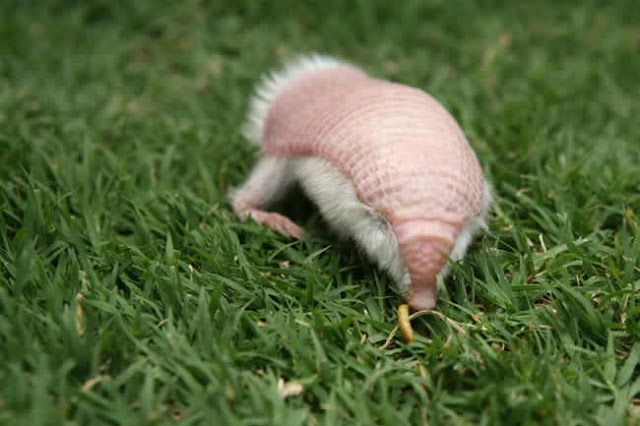
The Pink Fairy Armadillo immediately captures attention with its peculiar appearance. This small mammal, belonging to the armadillo family, measures about 10 to 12 centimeters in length, not including the tail. Its unique pink coloration is the result of small blood vessels visible through its transparently patterned shell, which is more flexible and delicate compared to that of other armadillos.
Under its pink shell, there is a soft fur that extends across its body, providing protection against the cold. The armor of the Pink Fairy Armadillo not only protects against predators but is also a crucial adaptation for its underground lifestyle. Its forelimbs are exceptionally strong and equipped with sharp claws, making it an excellent digger. It digs quickly and efficiently, creating tunnels where it spends most of its time, escaping the scorching heat of the surface.
Another noteworthy feature is its ability to partially curl up, offering additional protection by hiding in the ground. With tiny eyes and almost imperceptible ears, this armadillo relies less on sight and more on smell and hearing for navigation and foraging.
The Pink Fairy Armadillo is a remarkable example of how habitat pressures shape creatures to survive uniquely. To learn more about the incredible adaptability of animals in different environments, check out the article on the Tardigrade, a creature famous for its resilience in extreme conditions. Living in sandy soils and dry plains, the Pink Fairy Armadillo is well adapted to its specific niche, a tribute to the beauty and complexity of evolution.
Habitat and Distribution
The fascinating Pink Fairy Armadillo inhabits the vast arid plains of Argentina. This inhospitable environment, seemingly hostile, provides an unexpected home for this delicate creature. With its pink skin and fragile structure, the Pink Fairy Armadillo perfectly adapts to the sandy, dry soil. The sandy terrain allows it to dig quickly, creating holes that serve as protection against predators and extreme weather conditions. The regions where it is found are marked by sparse vegetation, primarily composed of grasses and small shrubs. This vegetation not only offers camouflage but also structural support for its tunnels.
The Pink Fairy Armadillo is mainly spotted in the central region of Argentina, distributed across areas such as the provinces of Córdoba, San Luis, and Mendoza. However, its movement is quite restricted due to its specialized nature and specific ecological needs. The choice of this habitat is no mere coincidence. The arid conditions ensure fewer predators, allowing greater freedom for this small mammal. Additionally, the presence of underground insects, its primary food source, makes the Argentine soil the perfect setting for its survival. This protein-rich diet is essential to sustain its high energy demands.
Unfortunately, changes in land use and urban growth pose significant challenges to the survival of the Pink Fairy Armadillo. Human development often reduces its natural habitat, putting its populations at risk. More than ever, understanding its habitat is crucial to implementing effective conservation measures and ensuring its continuity in nature. To learn more about other notable animals, check out our page on elephants.
Ecological Importance
The Pink Fairy Armadillo, with its diminutive size and captivating appearance, plays an essential role in the ecosystem. Despite its apparent fragility, it is an ecosystem engineer. By creating underground tunnels in the arid Chaco region, this small animal modulates the environment for itself and other species. This ability provides refuge for plants and small animals, promoting biodiversity.
The digging ability of the Pink Fairy Armadillo creates natural shelters. These shelters protect other small animals from the extreme temperatures of the environment, providing a safe place for reproduction and rest. Additionally, the soil movement during digging increases soil aeration, facilitating rainwater infiltration and seed germination.
The Pink Fairy Armadillo actively participates in insect control, feeding on small arthropods and larvae found in the soil. Thus, it plays a crucial role in balancing insect populations, contributing to the maintenance of ecological balance.
In this scenario, its role can be compared to that of other ‘small but impactful’ animals like the ladybug, known for its importance in the ecological chain. Unfortunately, as we will see in the next chapter, this small armadillo faces several threats that jeopardize its continuity and, consequently, the ecological services it provides.
However, behind its vulnerability, the Pink Fairy Armadillo stands out as a silent bastion, shaping its habitat and thus sustaining a diverse and healthy ecosystem. Its survival is intrinsically linked to the well-being of the ecosystem it helps maintain. Appreciating and understanding the depth of its impact should provoke focused efforts on its preservation, ensuring the natural balance of the regions it calls home.
Threats and Conservation
The Pink Fairy Armadillo, one of nature’s most enigmatic creatures, faces considerable challenges to its survival. Degraded habitat is one of the most significant threats. Agricultural expansion and urbanization have severely fragmented its natural home, disrupting the delicate ecological balance. This leads to a depletion of the resources it needs to survive.
The natural predators are not the real concern. It is human intervention that increases the risk. Illegal hunting, although rare, still poses a threat. People, attracted by the exoticism of this small being, attempt to capture it for commercial purposes. Furthermore, the lack of information about the Pink Fairy Armadillo further complicates the prevention of this practice.
Here, conservation efforts play a vital role. Researchers and conservationists are working hard to protect the remaining habitat of this fragile creature. Local initiatives are being established to create conservation reserves, promoting the rehabilitation of degraded areas and restoring natural ecosystems. Raising awareness among local communities also proves crucial, building a collective consciousness around the importance of protecting this unique species.
Educational programs have been initiated to ensure that the population understands the importance of armadillos to the ecosystem. The propagation of local plants that can help restore the armadillo’s habitat is being studied. To learn more about the conservation of other endangered species, such as the rhinoceros, you can visit rhinoceros conservation.
Despite these challenges, the future of the Pink Fairy Armadillo depends on our combined efforts. With growing awareness and action, we can ensure that this small wonder continues to thrive in the landscapes of South America.
The Future of the Pink Fairy Armadillo
The future of the Pink Fairy Armadillo, this astonishing creature of the Brazilian Cerrado, depends on factors beyond its direct control. Climate change poses a real threat to its habitat. Global warming may alter precipitation patterns, reducing the availability of food and water. Perhaps even more concerning is the increase in extreme weather events, such as prolonged droughts, which can decimate local insect populations that the Pink Fairy Armadillo relies on for food.
How can we ensure the survival of this delicate species? It is imperative that communities around the habitat of these armadillos take the lead in their preservation. Regional conservation initiatives can make a substantial difference. Environmental education programs, emphasizing the importance of the Pink Fairy Armadillo in the ecosystem, can spark local interest and encourage sustainable practices. Cooperation from farmers is equally crucial. Agricultural practices that respect local biodiversity help preserve the natural environment of the armadillos. Additionally, restoring degraded lands can provide safe refuges. Implementing these measures can also benefit other living beings in the region, contributing to richer biodiversity.
Technology has an important role to play. Research and satellite monitoring can help detect changes in its habitat before they become critical. Citizen science can engage more people in protecting this small wonder. To learn about other endangered species, such as the threats to the rhinoceros, we can better understand the struggle and possible conservation strategies.
Conclusions…
The Pink Fairy Armadillo, with its unique beauty and delicacy, is a constant reminder of the importance of preserving our ecosystem. Through our understanding of its characteristics and habitat, we can unite to protect this jewel of nature and ensure that it continues to enchant us for generations to come.
Did You Know?
What is the Pink Fairy Armadillo?
The Pink Fairy Armadillo is a species of armadillo with a fragile appearance, characterized by its pink coloration and small body, inhabiting specific ecosystems.
What is the habitat of the Pink Fairy Armadillo?
This armadillo is primarily found in forests and areas of dense vegetation, where it can find shelter and food in a safe environment.
Why is the Pink Fairy Armadillo important to the ecosystem?
The Pink Fairy Armadillo plays a crucial role in maintaining soil health and seed dispersal, contributing to ecological balance.
What are the threats to the Pink Fairy Armadillo?
The main threats include habitat destruction, climate change, and hunting, which put its survival at risk.
How can we help protect the Pink Fairy Armadillo?
Raising awareness about the importance of conservation and supporting habitat protection initiatives are essential to help this unique species.