Flying Fox: The Largest Bat in the World with an Impressive Appearance
The flying fox, also known as the fruit bat, captivates with its impressive appearance and colossal size. This article will explore its biology, diets, habitats, and the vital role it plays in tropical ecosystems.
Physical Characteristics
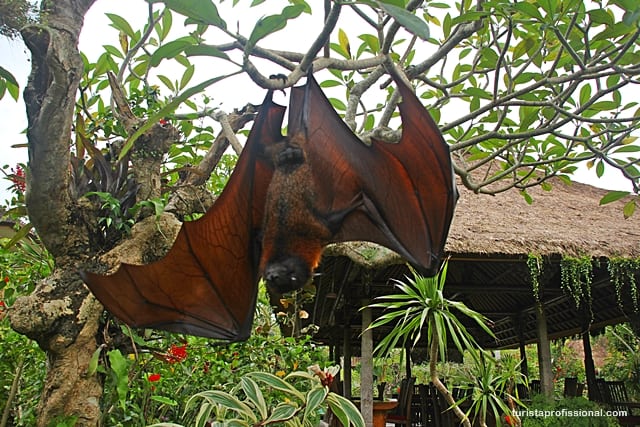
The flying fox, also known as the fruit bat, is a majestic creature. This remarkable mammal not only holds the title of the largest bat in the world but is also a visual spectacle. An adult can reach up to 1.5 meters in wingspan, with a body that can weigh over a kilogram. These dimensions make the flying fox an impressive sight in flight, gracefully utilizing wind currents.
The body is covered by dense, soft fur, which usually varies between shades of brown, yellow, and even orange. This coloration is not only aesthetically pleasing; it also plays a crucial role in camouflage. Amidst the leaves and shadows of trees, the fur allows the flying fox to blend into its environment, avoiding predators. Its eyes are large and expressive, adapted for seeing in low-light conditions, enabling nocturnal activity.
The wings, vast and membranous, are a true masterpiece of evolution. The combination of strong muscle and elastic tissue provides impressive flying capability. Instead of flying quickly like many birds, the flying fox glides, conserving energy while moving between trees. This adaptation to flight is accompanied by a lightweight skeleton, favoring agility.
In addition to its fascinating appearance, the flying fox has a keen sense of smell, which aids in its feeding. It is frugivorous, feeding on fruits, nectar, and flowers. Thus, it plays a vital role in pollination and seed dispersal, contributing to the balance of the ecosystem. To learn more about bats, you can access bats as flying mammals.
Habitat and Distribution
The flying fox, a magnificent representative of the bat world, predominantly resides in the tropical forests of Australia, New Guinea, and some Pacific islands. These habitats are a vibrant tapestry of flora, providing shelter and food for this impressive creature. The forests offer, above all, an abundance of fruits, which constitute the majority of the flying fox’s diet. The leafy trees are vital, as flying foxes depend on their healthy fruits to survive and thrive.
The natural habitat of the flying fox also plays a crucial role in maintaining the ecosystem. These creatures are pollinators and seed dispersers. By feeding on fruits, they contribute to the life cycle of plants, promoting the reproduction and growth of new trees. When a flying fox moves from one tree to another, it spreads seeds, aiding in forest regeneration.
Moreover, tropical forests are essential for biodiversity. They harbor a myriad of species, many of which depend on the flying fox for seed dispersal. The destruction of these habitats results in negative implications not only for the flying fox but also for various forms of life. Therefore, the preservation of tropical forests is vital not only for the continuity of the flying fox but for the overall health of the ecosystem in which it lives. Protecting these habitats is a shared responsibility. For more information on the interaction between different species and their environment, see this article on bats, another fascinating flying mammal that shares the same ecosystem.
Feeding Behavior
The flying fox, a magnificent inhabitant of tropical forests, is known for its peculiar feeding habits. This frugivorous bat primarily feeds on ripe fruits, playing a fundamental role in seed dispersal. Its diet includes a variety of fruits, such as figs and mangoes, that attract its keen palate. By consuming these fruits and spreading their seeds through its droppings, the flying fox helps in forest regeneration. This symbiotic relationship with plants is a delicate dance of interdependence, essential for the health of the ecosystem. Bats, including the flying fox, are among the most important groups of mammals in pollination and increasing biodiversity.
Furthermore, the feeding behavior of these flying foxes is influenced by the seasonal abundance of fruits in their habitat. During periods of scarcity, these bats may alter their behavior, seeking alternative food sources or migrating to richer areas. This adaptability is crucial for their survival. Flying foxes also help maintain the balance of the ecosystem, as their feeding activities control the population of fruits and other plants. When these bats are present in adequate numbers, there is a positive impact on the forests. Therefore, the conservation of the flying fox is vital not only for the species itself but also for the sustainability of the entire ecosystem they support. Their role as aerial farmers is a true wonder of nature.
Reproduction and Life Cycle
The flying fox, notable for its impressive wingspan, has a fascinating life cycle. Females reach sexual maturity between 6 and 12 months, while males may take a bit longer. The breeding season generally occurs between September and November, when males actively compete for females. This courtship behavior is complex and includes acrobatic flights and distinct vocalizations. Once fertilization occurs, gestation lasts on average 120 days. At the end of this period, the female usually gives birth to a single pup. At birth, the little one has very fine fur and closed eyes, being completely dependent on the mother. Nursing is crucial. The mother cares for the pup, ensuring nutrition and warmth until it can fly and find its own food. This dependency phase can last from 4 to 6 months.
Young bats begin to take short flights after approximately 5 weeks of life. Social interaction is vital at this stage, as the young learn to forage by observing adults. As they grow, the pups join flight groups, where they acquire important skills. Parental care, predominantly maternal, is essential for the initial survival of the pups. Males often play a secondary role in this dynamic. Social development, food-seeking, and learning within the group are crucial for their success. Speaking of fascinating creatures, you can read more about other bats in the article on bats as flying mammals.
Ecological Impact
The flying fox, with its impressive wings and unmistakable appearance, plays a crucial role in tropical ecosystems. This species of bat is an essential pollinator, facilitating the reproduction of many plants, especially those that depend on nocturnal pollinators. By feeding on fruits, the flying fox helps in seed dispersal, contributing to forest regeneration. This ecosystem dynamic is vital, as tropical forests play an essential role in climate regulation, carbon storage, and supporting biodiversity.
Its interactions with vegetation are complex. While feeding, the flying fox consumes a wide range of fruits, and through its feeding, it ensures that many tropical trees thrive. If this species were to disappear from its natural habitat, the consequences could be drastic. Many plants would lose their pollinators and, inevitably, their chances of reproduction. This would create a domino effect on various species that depend on vegetation for survival.
In addition to its role as a pollinator and seed disperser, the flying fox serves as an important food source for natural predators, such as eagles and snakes. Therefore, its preservation is a priority. Habitat loss and hunting are significant threats to this impressive species. Conserving it also means protecting the rich tapestry of life in tropical forests. By protecting the flying fox, we are, in fact, holding the balance of ecological health. To better understand the diversity of life in forests and the impact of species like the flying fox, it is worth exploring the fascinating interactions in ecosystems. One of the creatures that also plays a vital role in forests is the tiger butterfly, which helps illustrate the complexity of natural life. Learn more about it here.
Conclusions…
The flying fox is not only the largest bat in the world but also a crucial part of its ecosystem. Its presence and behaviors have a significant impact on pollination and seed dispersal, highlighting its importance in nature.
Did You Know?
What does the flying fox eat?
The flying fox primarily feeds on fruits, such as mangoes, bananas, and figs, using its keen sense of smell to locate food.
What is the difference between the flying fox and other bats?
The flying fox is a specific type of bat, larger in size and with distinct dietary and social behavior characteristics.
Are there flying foxes in Brazil?
Yes, the flying fox can be found in tropical and subtropical areas of Brazil, such as the Amazon.
Where do flying foxes live?
Flying foxes inhabit tropical forests, mangrove forests, and islands in Southeast Asia and Oceania.
What is the size of the flying fox?
The flying fox can have a wingspan of up to 1.5 meters, making it the largest bat in terms of wingspan.
What is the most common bat in Brazil?
The most common bat in Brazil is the pool bat or vampire bat, which feeds on blood, primarily from birds.
Which bats attack humans?
Vampire bats may attack humans, especially in areas where food is scarce, but these cases are rare.
What attracts bats to houses?
Lights and heat generated in houses can attract bats, as well as dark and quiet spaces that are ideal for shelter.
What does it mean to see a bat flying?
Seeing a bat flying can symbolize the transition between the physical and spiritual worlds, but it also indicates the presence of insects and a healthy night.