Black Scorpion: The Guardian of Urban Shadows
The black scorpion is a fascinating creature that inhabits various urban areas, bringing with it both intrinsic beauty and potential danger. This article will examine its biology, habitat, and the impact of its stings on human life, revealing the complex relationship between these intriguing arachnids and the cities they inhabit.
The Biology of the Black Scorpion
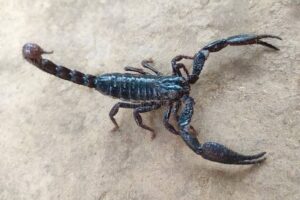
The black scorpion, with its imposing appearance and dark color, is a creature that fascinates and terrifies at the same time. Its body is composed of clearly defined segments, each contributing to its agility and efficiency. The robust, waxy exoskeleton protects against predators and dehydration, allowing this arachnid to thrive in varied environments. The nervous system of the black scorpion is highly developed. It has a small but effective brain that controls its quick and precise responses. The nerves are distributed throughout the body, allowing finely tuned motor control. This aspect is crucial during hunting, where every movement gives it an advantage over its prey. The venom, a complex and fascinating substance, plays a vital role in the survival of the black scorpion. Composed of a mixture of proteins, enzymes, and toxins, the venom is used to immobilize prey and defend against threats. This chemical composition is adapted to affect the nervous system of its prey, ensuring effective capture. Furthermore, the venom can have varied effects, depending on the amount and type of protein present. The sensitivity of the black scorpion is remarkable. Its legs are equipped with fine hairs that detect vibrations and changes in pressure in the environment. This, combined with its vision, although limited, allows it to perceive movements and shapes around it. Such adaptability makes it a skilled predator, always alert to the risks that surround it. To learn more about the fascinating characteristics of arachnids, visit this article.
Habitat and Behavior
The black scorpion, Bothriurus nigricans, has become an intriguing figure in cities. It inhabits environments that are often overlooked by humans. In urban spaces, it seeks refuge in places that offer safety and a bit of moisture. It prefers hiding spots that range from debris and piles of leaves to crevices in walls and holes in trees. Pruning piles and cracks in pavements provide vital shelter. During the day, it remains hidden, avoiding direct sunlight, which can be lethal. The adaptation of the black scorpion to the urban environment is remarkable. With the decrease of its natural habitats, its hunting practices have become more versatile. The search for prey, such as insects, is conducted at night. It uses its vision and vibrational sensitivity to detect movement. Its hunting behavior is calculated and strategic. Armed with its powerful pincers and effective venom, it patiently waits for the right moment to strike. A quick and precise movement ensures the capture of its prey. Moreover, the black scorpion is a superb biologist, adapting to environmental variations. Cities offer a microcosm full of opportunities but also dangers. This arachnid has become an integral part of the urban ecosystem, showing that even in the shadows, life continues to thrive. To better understand how creatures like the black scorpion adapt and interact with the environments they occupy, check out this article on bats and their importance in urban ecosystems.
The Stings and Their Effects
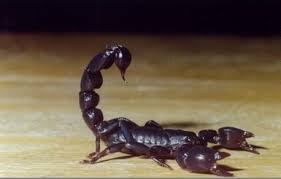
The black scorpion, with its imposing presence in urban shadows, has a fascinating anatomy. Its sting is an act of precision. The front pincers, also known as chelicerae, are used to capture prey. The stinger, located in the tail, is the real weapon. With a quick movement, it can inject venom. The venom of this scorpion contains neurotoxins that affect the nervous system of humans. When stung, the victim may feel intense pain and immediate burning in the affected area. This is followed by swelling and, in some cases, even muscle spasms. The venom of the black scorpion acts quickly, potentially causing severe adverse reactions, especially in children and the elderly. Symptoms can vary. Some people experience allergic reactions, such as difficulty breathing or hives. It is vital to act quickly in the event of a sting. The first step is to remain calm. We should immobilize the affected area to slow the circulation of the venom. Using ice on the area helps relieve pain. However, never apply tourniquets, as they can cause more damage. If symptoms persist or worsen, seek medical attention immediately. Treatment may include the administration of antivenom and analgesics. Therefore, understanding the sting of the black scorpion is fundamental. This way, we can protect ourselves and act appropriately when confronted with this guardian of the shadows. To better understand the fascinating world of arachnids, visit Arachnids: The Fascinating World of Arachnids.
Myths and Truths
Amid the urban shadows, the black scorpion is often surrounded by a cloud of myths and fears. For many, its sting is seen as a ticket to the hospital. However, this belief exaggerates the reality of this fascinating and intriguing arachnid. Firstly, it is essential to understand that not all scorpions have deadly venom. The black scorpion, commonly found in urban environments, usually has venom that causes local pain but is rarely fatal to humans. This misconception arises from the way scorpions are portrayed in popular culture, where such creatures are demonized. Another common myth is the idea that the black scorpion is highly aggressive. In reality, these animals tend to avoid contact with humans and prefer to hide in damp, dark places. They are discreet predators, feeding on insects, which helps control their populations. For this reason, they play an important role in the ecological balance of urban areas. Some believe that the black scorpion is a sign of unhealthy environments. This is not true. The presence of the scorpion can indicate a healthy microhabitat where biodiversity thrives. For those concerned about stings, small changes in the environment, such as keeping gardens clean and avoiding clutter, can help minimize unwanted encounters. Like many animals, the black scorpion deserves respect and understanding. To learn more about the complexity of the arachnid world, visit Fascinating Spiders that also play vital roles in the ecosystem.
Coexisting with the Black Scorpion
The black scorpion inhabits urban shadows, coexisting with humans in fascinating ways. To live in harmony with this intriguing arachnid, adopting preventive practices is essential. Understanding it helps reduce the risk of stings and promotes peaceful coexistence. One of the main guidelines is to keep environments clean and organized. Accumulated trash and debris are ideal for scorpions. Avoid accumulating clutter, dry leaves, and scattered materials that serve as shelter. Rugs and carpets should be regularly cleaned, as the black scorpion can hide in their folds. Additionally, observing the external areas of your home is fundamental. Seal cracks in windows and doors, as these small spaces are entry points. Protective screens on windows help block unwanted invaders. In the garden, keep the grass trimmed and avoid plants that may harbor insects attractive to scorpions. When outdoors, especially in areas of dense vegetation, wear closed-toe shoes and avoid sitting in unknown places. At night, keep lights on near entry areas; scorpions prefer darkness. Finally, respecting the role of the black scorpion in the urban ecosystem is essential. These beings help control insect populations, acting as natural predators. Learn more about the importance of arachnids in nature, and thus contribute to a more balanced urban world.
Conclusions…
The black scorpion is an important part of the urban ecosystem, which, despite causing fear due to its stings, plays a significant role in nature. Knowing its characteristics and behaviors is fundamental for us to coexist harmoniously with this intriguing species.
Did You Know?
What is the black scorpion? The black scorpion, a common species in urban areas, is an arachnid that has a robust body and a sting that can cause intense pain, although it is rarely fatal.
What are the risks of black scorpion stings? Black scorpion stings can cause severe pain, swelling, and in some cases, severe allergic reactions, requiring medical attention.
Where does the black scorpion live? This scorpion is often found in urban areas, hiding in places like woodpiles, holes, and other shelters.
How to prevent black scorpion stings? Keeping the house clean, sealing cracks, and wearing closed-toe shoes are effective measures to avoid unwanted encounters with the black scorpion.
What is the ecological role of the black scorpion? Besides being a natural predator of insects, the black scorpion plays an important role in the ecological balance of urban areas, controlling pest populations.