The Fascinating Blue Frog of the Archipelago
The Blue Frog of the Archipelago is a rare gem of the Caribbean islands, famous for its bright blue coloration and poisonous properties. This article explores its biology, habitat, and the importance of conserving this extraordinary species.
The Charm of the Blue Frog of the Archipelago
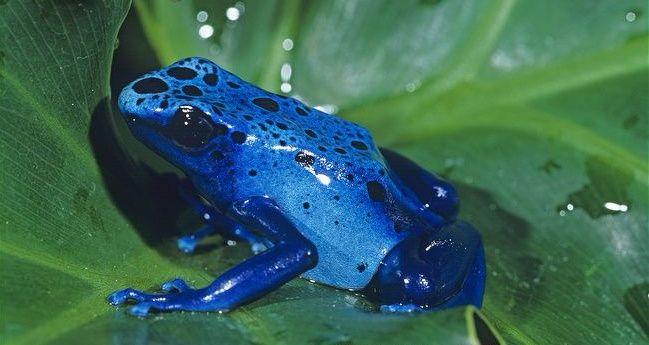
Amidst the lushness of nature, we find the stunning Blue Frog of the Archipelago. Its vibrant coloration, a deep blue speckled with black spots, is not only a visual spectacle but also a remarkable example of adaptation. This colorful pattern serves as a strong warning signal to predators. The large, prominent eyes demonstrate adaptability, allowing for keen vision even in low-light environments. This ability is vital in its habitat, filled with dense vegetation and mysterious shadows.
These frogs are relatively small, usually measuring less than five centimeters in length. Their skin is smooth and shiny, reflecting the moisture of their tropical environment. Adapted to an essentially arboreal life, their legs are equipped with membranes between the toes, facilitating movement among branches and leaves. Each leap possesses impressive precision, revealed in their acrobatic movements.
In addition to their physical adaptations, the Blue Frog of the Archipelago exhibits fascinating behaviors. During mating periods, males emit a melodic croak that echoes through the forest. This call is not only to attract females but also serves as a potent territorial indicator. The dance of their mating rituals is a spectacle. With vibrant colors in the sun, the males stand out among the green leaves.
Incredibly adaptable, this amphibian exemplifies the vital connection between appearance, behavior, and survival. Its beauty is an essential component of the biodiversity that characterizes the Archipelago. To explore more about the charms of wildlife, read about the toucan, which also highlights the richness of species in tropical habitats.
Toxicity and Natural Defense
The Blue Frog of the Archipelago, with its distinctive vibrant coloration, creates a visual shock. However, this exuberant beauty conceals an incredible defense mechanism: toxicity. This frog, which inhabits dense, humid forests, possesses poison glands in its skin. When threatened, it secretes a potent toxin, acting as a true shield against predators. Animals like snakes and birds do not risk consuming this colorful amphibian. They have learned, through negative experiences, that this frog is not only beautiful but also dangerous.
In terms of the food chain, this toxicity creates a cascading effect. Predators that attempt to bite the frog often have painful experiences. This reality alters their dietary preferences, discouraging them from hunting it. As a result, the blue frog can proliferate in its populations without the constant threat of its natural predators. However, the frog’s poison does not only affect predators. Microorganisms and insects that often feed on amphibians are also impacted. This offers indirect protection to the ecological community where it resides.
With its ability to generate complex toxins, the Blue Frog of the Archipelago not only protects itself but also shapes its environment. Its presence in the ecosystem is, therefore, an intriguing example of how nature adapts to ensure survival. This phenomenon is comparable to the interactions observed in other beings of nature that utilize similar defenses, like the cormorants, creating a balanced and harmonious system in their habitat.
Habitat and Behavior
The Blue Frog of the Archipelago, with its vibrant blue hue, primarily finds habitat in dense tropical forests and humid areas that make up its ecosystem. This species prefers environments close to bodies of water, such as ponds and streams, where soil moisture is high. The forest substrate, covered with decomposing leaves and mosses, provides shelter and breeding sites. These locations are crucial, as the frog requires specific conditions for tadpole development. The warmth of the environment also plays a crucial role in the frog’s daytime activities, which become more active at moderate temperatures.
The social interactions of this species are fascinating. During the breeding season, males become competitive, emitting loud calls that echo through the forest. These vocalizations serve to attract females and also to mark territory against other males. However, the social life of the Blue Frog of the Archipelago is not just a balance of forces. When not breeding, these amphibians tend to be solitary, taking advantage of camouflage among the leaves and shadows. Their diet consists mainly of insects, hunting with precision in the dense vegetation. Additionally, the frog can establish indirect relationships with other forest inhabitants, such as predators. Throughout its habitat, this fascinating frog is a vital link in the food chain. To understand more about the ecosystem that hosts the Blue Frog of the Archipelago, explore the interdependence in natural systems as you can see in this article.
Conservation Challenges
The Blue Frog of the Archipelago is a jewel of biodiversity but faces profound challenges. Habitat loss, driven by human activity, is one of the greatest threats to this fascinating species. The tropical forests where these frogs inhabit suffer from accelerated deforestation, often due to agricultural expansion and urban development. The wetlands, essential for their reproduction, are drained or contaminated, drastically reducing the locations where they can thrive.
Moreover, frogs are vulnerable to diseases such as chytridiomycosis, a fungal infection that has devastated amphibian populations worldwide. The introduction of invasive species, which compete for resources, also exacerbates the situation. These factors interact, creating a threatening cycle of decline.
The human impact extends beyond habitat. Water pollution, often caused by chemicals and waste, compromises the health of frogs. As bioindicators, they reflect environmental quality. When their health declines, it is a clear sign that the ecosystem is under pressure.
Therefore, the conservation of the Blue Frog of the Archipelago is vital, not only for the species itself but also for the balance of the ecosystem. Protecting its natural habitat is a priority. Conservation initiatives, which involve habitat restoration and disease monitoring, are essential to ensure the survival of this frog and many other species that share its home. Preserving biodiversity is our responsibility, a moral imperative in the face of the threats we face. To learn more about the threats to biodiversity, access this article.
Preserving Caribbean Biodiversity
The Blue Frog of the Archipelago is a symbol of Caribbean biodiversity, but its survival depends on dedicated conservation efforts. Ongoing initiatives have been crucial in protecting this amphibian and other threatened species. National parks are crucial spaces where native flora and fauna can thrive. Here, ecological interactions occur free from destructive human interventions.
Habitat rehabilitation programs have been implemented to restore degraded areas. Scientists identify critical zones for wildlife and work to restore these areas. This restoration is often accompanied by the reintroduction of native species, promoting a healthy life cycle.
Collaborations with local communities are also vital. Environmental education plays a significant role in conservation. Residents are encouraged to protect their habitats and participate in preservation projects. This approach not only benefits biodiversity but also promotes sustainable development.
Research programs monitor frog populations and other organisms, providing essential data for management decisions. The participation of the scientific community and non-governmental organizations has proven effective in creating conservation strategies. Some initiatives focus on raising awareness about the importance of biodiversity. Increasing public awareness can encourage practices that minimize negative impacts on wildlife. Ultimately, mass actions can ensure that the Blue Frog of the Archipelago continues to call the Caribbean waters home. For a deeper look at the importance of conservation, check out this article on the preservation of other fascinating species.
Conclusions…
The Blue Frog of the Archipelago is a species that represents both the beauty of wildlife and the fragility of island ecosystems. Conserving its habitat is essential to ensure its survival and the preservation of biodiversity in the Caribbean islands.
Did You Know?
What is the Blue Frog of the Archipelago?
The Blue Frog of the Archipelago is a rare species found on certain Caribbean islands, known for its vibrant blue coloration and toxicity.
Why is the Blue Frog of the Archipelago poisonous?
It produces a potent toxin as a defense mechanism against predators, making it a fascinating and respected species in nature.
What is the habitat of the Blue Frog of the Archipelago?
This frog prefers humid habitats, such as tropical forests and areas near water, where it can hide from predators.
What is the importance of conserving the Blue Frog of the Archipelago?
Conserving this species is crucial for maintaining biodiversity on the islands and balancing local ecosystems affected by human changes.
How can we help protect the Blue Frog of the Archipelago?
Promoting environmental education and supporting conservation initiatives are effective ways to protect this and other threatened species.