The Pink Frog of Madagascar
The Pink Frog of Madagascar, a fascinating and rare amphibian, is a living symbol of Madagascar’s unique biodiversity. This article delves into its habitats, behavior, and the importance of conserving this extraordinary species.
A Glimpse into the Habitat
The humid forests of Madagascar are a true sanctuary of biodiversity. This habitat is characterized by lush vegetation, where tall, thick trees intertwine, forming a canopy that filters sunlight. The broad, shiny leaves collect moisture from the air, contributing to the unique atmosphere of the forest. Temperatures range from 15 to 25 degrees Celsius, while humidity is constant, creating an ideal environment for many species.
Among the trees, we find a rich variety of epiphytes and bromeliads, which create microhabitats. Vines and lianas intertwine, offering shelters and pathways. In this ecosystem, each layer has its own set of inhabitants, from birds that pierce the sky to colorful insects hiding among the leaves.
The fauna is equally fascinating. Many species are endemic, meaning they can only be found in Madagascar. This includes primates like lemurs and a variety of birds, reptiles, and insects. Much of the flora and fauna here is still unknown to science, making these forests an important field of research.
The humid forests face threats due to deforestation and climate change. However, the beauty and richness of this environment continue to enchant and surprise. Each visit to this habitat is a new discovery. The description of the habitat of this unique frog conveys the amazing diversity of nature in Madagascar. For further exploration of Madagascar’s unique fauna, you can learn about other fascinating creatures like the rhinoceros.
Physical and Behavioral Characteristics
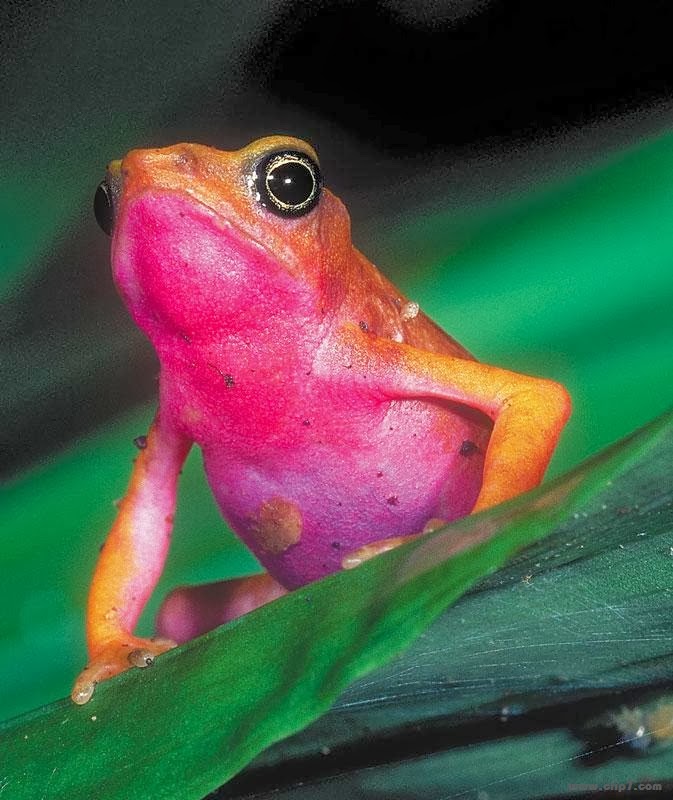
The Pink Frog of Madagascar, with its vibrant coloration and distinct physical characteristics, stands out in its habitat. Its small, slender body, covered by smooth, moist skin, showcases a blend of pink and red, a masterpiece of evolution. This coloration is not just aesthetic; it plays a crucial role in camouflage, allowing the frog to blend into the environment of saturated leaves and flowers. Its long, muscular limbs are an adaptation that provides agility in movement, facilitating impressive jumps to escape predators. The webbed feet make it an excellent swimmer, allowing it to move quickly in water in search of shelter or food.
The behavior of the Pink Frog is equally intriguing. During the breeding season, males compete for attention with melodious calls that echo through the forest. Vocal communication is essential, not only to attract females but also to establish territory. Furthermore, frogs lay their eggs in strategic locations, often on aquatic surfaces with dense vegetation, protecting them from predators. The ability to burrow into mud during dry periods showcases its capacity to survive in an environment that can be challenging at times. This exceptional frog immortalizes the beauty of nature, reminding us of the importance of preserving its rich biodiversity. To further understand the complexities of the animal world, you can explore the platypus, a creature that also possesses unique characteristics in its behavior.
Risk of Extinction
The Pink Frog of Madagascar is a jewel of biodiversity that now faces an uncertain future. This wonderful amphibian inhabits a unique ecosystem, but human pressure is leading to drastic habitat loss. The rampant exploitation of tropical forests and the conversion of land for agriculture have resulted in the destruction of its homes. About 90% of Madagascar’s forests have been deforested, putting this frog in imminent danger. Moreover, climate change poses a growing threat. Temperature fluctuations and irregular rainfall directly affect the aquatic environments where frogs reproduce. Changes in rainfall patterns can dry up essential pools for the survival of the young. Increased temperatures can also alter the dynamics of predators and competitors, destabilizing the delicate balance of its habitat. No less important is the impact of pollution. Chemicals present in pesticides and fertilizers seep into water bodies, making them inhospitable. This contamination affects not only the frogs but the entire food chain of their ecosystem. As toxins accumulate, frogs become more vulnerable to diseases and infections. The implications of these threats are profound. Without an effective response to these pressures, the Pink Frog of Madagascar may disappear forever, taking with it a fundamental link in its environment. The future of conservation is essential to ensure the survival of this fascinating species. To learn more about species exploration, you can access Rhinoceros.
Conservation and Preservation
The Pink Frog of Madagascar is a victim of habitat degradation. To save it, various conservation initiatives have been implemented. Environmental organizations have played a crucial role in preserving this endangered species. Their work is multifaceted and begins with educating local communities. When people understand the importance of maintaining a healthy ecosystem, they become allies in the fight for preservation.
Collaboration between scientists and local communities is essential. Researchers frequently conduct workshops and lectures on the Pink Frog and its habitat. Raising awareness about the risks of overexploitation is crucial. The destruction of tropical forests reduces the areas available for the Pink Frog to thrive. Thus, ensuring that local inhabitants understand the importance of environmental protection is vital.
Additionally, organizations are creating natural reserves. These protected areas offer refuge to the Pink Frog and other endangered species. In the reserve, ecological practices can be promoted, allowing habitats to regenerate. The preservation of these spaces is also important for sustainable tourism, which can benefit local economies.
Scientific research is another cornerstone of conservation initiatives. Monitoring the populations of the Pink Frog is essential to assess the effectiveness of protection strategies. The data collected helps adjust approaches, ensuring that efforts are effective. With the participation of various stakeholders, the hope of saving the Pink Frog of Madagascar becomes a reality. To understand more about conservation initiatives, see this article on species preservation.
The Impact of Preservation
The Pink Frog of Madagascar is a fascinating creature, whose fate teaches us more than just the beauty of wildlife. Its protection is not limited to an isolated effort to preserve a species; it is a profound act of care for the Malagasy ecosystem. By protecting the Pink Frog, we also ensure the continuity of the intricate relationships between various species inhabiting this unique environment. This frog plays a crucial role in the food chain. As insectivores, they control insect populations, maintaining ecological balance.
Moreover, the presence of the Pink Frog helps indicate the health of the environment in which it lives. Amphibian species are sensitive to changes in their habitat. Their protection becomes a vital indicator of the state of the ecosystem. When we care for the Pink Frog, we are, in fact, caring for all the biodiversity that depends on it.
The conservation of these frogs also promotes sustainable development. Raising awareness about the importance of the Pink Frog can encourage practices that respect and protect nature in Madagascar. By attracting ecotourism, local communities can find a new means of livelihood.
Finally, the story of the Pink Frog of Madagascar reminds us that each species is a fundamental piece in the great puzzle of biodiversity. Protecting a single species can have lasting and positive impacts on the entire ecosystem. To learn more about the importance of species in nature, you can access the article about the newly discovered fungus in the Brazilian Amazon, which illustrates the interconnection of species.
Conclusions…
The Pink Frog of Madagascar is not just an amphibian of unique beauty, but also an indicator of the health of the ecosystems it inhabits. Protecting this species is essential to maintain the rich biodiversity of Madagascar.
Did You Know?
What is the habitat of the Pink Frog of Madagascar?
The Pink Frog of Madagascar inhabits humid forests, taking advantage of the moisture and diversity of its natural environment.
Why is the Pink Frog of Madagascar considered rare?
It is considered rare due to its restricted habitat and the increasing destruction of its natural environment caused by human activity.
What is the importance of the Pink Frog of Madagascar for the ecosystem?
This frog plays a crucial role in the ecosystem, helping to control insect populations and serving as prey for other animals.