Chupacabra: Myth or Reality?
The legend of the Chupacabra is one of the most intriguing in Latin American folklore. This creature, often described as a goat vampire, is famous for its supposed attacks on livestock. Let’s explore its origins, reports, and how it became a cultural icon.
Origin of the Legend
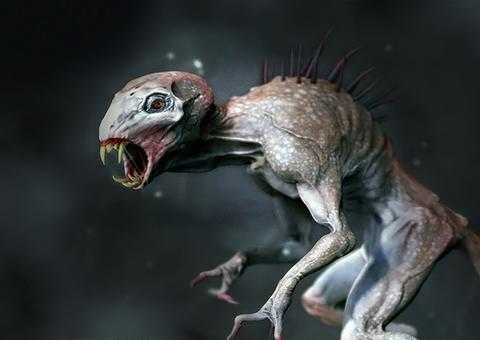
The legend of the Chupacabra, a creature that terrifies popular imagination, emerged in Puerto Rico in the 1990s. Its first reports described a shapeshifting being, resembling reptiles, with spikes on its back, capable of draining the blood of animals. The origin of this myth is intertwined with the social and economic uncertainties of the time, leading residents to seek explanations for the mysterious deaths of livestock.
The stories began to spread rapidly. In 1995, several witnesses reported sightings, contributing to the development of a collective narrative. These narratives were amplified by the media, transforming the Chupacabra into a mythical figure. As a result, reports quickly transcended the borders of Puerto Rico, reaching Latin America, the United States, and beyond. Countries like Chile, Mexico, and even Brazil reported their own encounters. Each region adapted the creature to its unique folklore, giving rise to variations that brought it closer to familiar animals, such as canines or felines. This phenomenon illustrates how myths can evolve and adapt, reflecting local fears and insecurities.
The legend of the Chupacabra also raises questions about the connection between humans and nature. The attacks on livestock mirror the tensions between agricultural practices and environmental challenges. This can be seen in cases where resource scarcity led to an increase in the hunting of wild animals, resulting in negative impacts on the ecosystem. For a broader look at the fauna we live with, check out this article on elephants, whose social behaviors reveal much about animal psychology.
Reports and Sightings
The Chupacabra, an enigmatic creature, is the subject of many reports. Witness accounts predominantly arise in Latin America. In remote areas, on quiet nights, anxious voices echo. Descriptions vary, but there are intriguing patterns. Many describe a being of low stature, spiky fur, and glowing eyes. The appearance is often terrifying, with sharp claws and a piercing gaze.
An impactful report comes from Puerto Rico, where a farmer found goats with strange marks. The animals were drained of blood but showed no signs of struggle. This suggested that the attacker could be cunning and stealthy. Witnesses reported a being that slinked through the shadows, with quick and stealthy movements. The despair in the eyes of the livestock owners was palpable.
In the city of El Salvador, a group of people claimed to have seen the creature attacking chickens in a coop. The terrified birds ran in panic. The reports culminated with the description of a being that, they say, made a peculiar sound, mixing a low grunt with a high-pitched howl. This outcry heightened the sense of fear in the community.
Stories like these feed the legend. Each account adds layers to the mythology of the Chupacabra. For scientists, these narratives can be explained by the behaviors of known predators or even diseases. However, for believers, the fear persists. Doubt permeates minds: is the creature real or a product of imagination? For more details on fauna that may connect to these stories, check out the text on bats, a cunning and fascinating predator.
The Chupacabra in Media
The figure of the Chupacabra has permeated screens and airwaves, capturing human imagination. In films, the creature is often portrayed as a terrifying entity, its alien characteristics amplifying the mystery surrounding it. Dark and atmospheric scenes help build a narrative of fear and suspense. These productions, ranging from sensationalist documentaries to horror films, show how the Chupacabra has become a symbol of modern paranoia regarding the unknown.
Television series, in turn, have explored the mythology of the Chupacabra, integrating it into plots of science fiction and supernatural tales. In some narratives, the creation of the Chupacabra serves as a metaphor for social issues, reflecting the collective fears of a changing society. The use of the Chupacabra in urban anecdotes within narratives is an example of how popular culture resonates with local stories, amplifying its relevance and mystique.
Musical media have also not been immune to this phenomenon; compositions mentioning the Chupacabra bring folklore and popular beliefs to the forefront. These songs become anthems celebrating its existence, transforming the creature into a cultural icon. By doing so, the figure of the Chupacabra ceases to be a mere myth and becomes an integral part of cultural identity in various regions.
Thus, the constant presence of the Chupacabra in the media helps perpetuate its legend. What was once a simple local narrative now appears globally, reminding us of humanity’s eternal fascination with the supernatural and the inexplicable. To better understand the impact of mystical creatures, we can also observe the incredible diversity of living beings, such as the fascinating rhinos, whose impressive characteristics captivate public attention.
Scientific Causes and Theories
The legends of the Chupacabra originate from stories told by communities that have observed the disappearance of their livestock. Despite its mythical nature, some scientific explanations have been explored. In many regions, sightings of weakened animals, such as wild dogs and foxes, may have generated reports of this enigmatic being. Diseases like mange, which affect the skin of animals, are common and can cause drastic changes in their appearance. These sick animals appear more frightening, possessing characteristics that resemble what is described as Chupacabra. Another associated phenomenon is infection by parasites. Dogs and cats suffering from infestations may exhibit a skeletal and sad appearance, similar to descriptions of the Chupacabra.
On the other hand, non-native exotic species also play a crucial role in the reports. The introduction of new predators into ecosystems can lead to confusion between local animals and their characteristics. For example, the maned wolf or even species of wild felines, occasionally sighted, may be mistakenly identified as Chupacabras.
The observation of instinctive behaviors, such as hunting, can be misinterpreted at night. When hunting and the presence of blood become frequent, the mystery of the Chupacabra seems to intensify. As noted in other studies, such as those related to the Ladybug beetle, fear and the unknown can create myths that endure and evolve constantly. Nature is rich in secrets, and thus, the supernatural is present in the human mind.
Legacy of the Chupacabra
The Chupacabra, a creature that lies at the intersection of myth and reality, has left an indelible mark on popular culture. Its origin dates back to the 1990s in Puerto Rico when reports of attacks on domestic animals emerged. Since then, this enigmatic figure has spread, becoming an icon of Latin American folklore. The image of the Chupacabra, with large eyes and sharp teeth, evokes a mix of fear and curiosity, capturing the imagination of many.
The presence of the Chupacabra has been noted in various media. Films, television programs, and even cartoons have incorporated this peculiar creature. Its representation varies, but it is often shown as a swift and cunning predator. This ability to adapt to popular narrative has allowed the Chupacabra to transcend its geographical space, becoming a global legend. Furthermore, the Chupacabra continues to spark debates about the nature of collective fear. In a world where science seeks answers, the Chupacabra represents doubt and superstition. It serves as a reminder that humans still turn to myths to understand the unknown. This impact also extends to social communication, where stories about encounters with the creature proliferate, generating heated discussions.
In summary, the legacy of the Chupacabra goes beyond its initial folklore; it shapes our understanding of what is real and what is imaginary. This duality is fascinating and opens space for the exploration of human nature. For a similar view on nature and its peculiarities, visit this article.
Conclusions…
Through the exploration of reports and the analysis of cultural impact, it became evident that, although the Chupacabra remains a legend, its effect on popular imagination is undeniable. Align yourself with the discovery of the unknown and allow yourself to reflect on the tenuous line between myth and reality.
Did you know?
What is the Chupacabra?
The Chupacabra is a legendary creature from American folklore, known for attacking animals, especially goats, and drinking their blood.
What are the main characteristics of the Chupacabra?
The Chupacabra is generally described as a small to medium-sized creature, with scaly skin, large eyes, and sharp teeth.
Where did the first reports of the Chupacabra emerge?
The first reports of the Chupacabra emerged in Puerto Rico in the 1990s, quickly spreading to other countries in Latin America.
Is the Chupacabra real?
Although many report encounters with the creature, there is no scientific evidence to prove the existence of the Chupacabra.
What is the cultural impact of the Chupacabra?
The Chupacabra has become a cultural icon, influencing music, films, and literature, symbolizing the fear of the unknown.