The Majesty of the Rufous-bellied Thrush
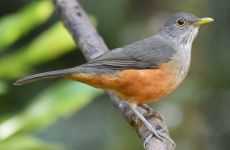
The rufous-bellied thrush, with its orange chest and melodious song, is one of the most admired birds in Brazil. This article explores its characteristics, habitats, and cultural importance, merging science and poetry in a tribute to this magnificent bird.
Physical Characteristics
The burrowing owl, a charming icon of open habitats, exhibits physical traits that make it unique. Ranging from 28 to 33 centimeters in size, its silhouette is unmistakable, standing out in its natural environment. It has a robust body and long legs, adapted for life in open areas. This bird can be easily identified by its light brown plumage pattern, which blends shades of beige and fawn. This coloration provides effective camouflage, ensuring it remains almost invisible among dry vegetation. The burrowing owl’s eyes are large and round, providing excellent vision both during the day and at night. This feature is crucial for its hunting ability, allowing it to detect prey with agility. Binocular vision is an adaptive trait that aids it in nocturnal hunting, where its diet mainly consists of small mammals and insects. The adaptations of the burrowing owl for its underground habitat are also fascinating. Its sturdy and strong feet are ideal for digging burrows, where it creates its nest. Additionally, the arrangement of its feathers, which are shorter at the tips, facilitates low flight, essential for escaping predators. This ability to fly discreetly becomes evident when it moves silently in search of shelter or food. This combination of physical characteristics not only makes it an excellent predator but also helps it survive and thrive in challenging habitats, offering a fascinating glimpse into its biology.
Habitat and Distribution
The burrowing owl, notable for its appearance and behavior, inhabits vast open areas such as grasslands, agricultural fields, and semi-arid regions. This incredible bird prefers environments where vegetation is sparse, allowing for excellent visibility of its surroundings. Its presence is often indicated by burrows or holes in the ground, which it uses for shelter and breeding. These spaces provide safety from predators and an elevated vantage point for hunting.
The geographical distribution of the burrowing owl extends across the Americas. They are found from the southern United States to central Argentina. In Brazil, the burrowing owl thrives in various regions, especially in the Cerrado and Caatinga. These areas provide the ideal habitat, with open spaces and a variety of prey.
It is observed that these adorable mammals adapt to diverse environments, adjusting their diet and nesting habits according to location. In urban areas, they are often seen in parks, where they adapt to human presence. The burrowing owl also establishes its nests in places like beaches or golf courses, taking advantage of the lack of predators and the abundance of food.
The vulnerability of natural habitats is a concern. Agricultural expansion and urban development can reduce the areas available for these birds. Preserving habitats is essential to ensure the survival of the burrowing owl and many other species that inhabit these open fringes of nature. For a deeper insight into the importance of habitat preservation, I recommend reading about the toucan and its natural environment, which also face similar challenges.
The Song of the Thrush
The song of the rufous-bellied thrush is a symphony that echoes through the tropical forests and orchards of Brazil. Composed of melodious notes, this song plays a crucial role in the life of the thrush. It is through its voice that it communicates its emotional state, establishes territory, and attracts mates. The song varies immensely among individuals, reflecting both genetics and personal experience. Some birds exhibit a more elaborate performance, while others have a more limited repertoire. This variation is a reflection of habitat quality and the thrush’s own health. Individually, the song is like a declaration of identity. Each thrush develops its own melody, which can be admired and recognized by others. An exceptional song can attract more females, thus increasing the chances of successful reproduction. Furthermore, during the breeding season, the song plays a vital role in competition among males. The most tuneful ones manage to secure their space, while others may be excluded. This ability to sing effectively is also a sign of vigor and fitness, something that females greatly consider when choosing a mate. The presence of the rufous-bellied thrush is so representative that its song has become a cultural symbol in Brazil. Melodies inspired by it resonate in popular music and traditions. Music is a backdrop. To learn more about how the thrush is important in local culture, check this link.
Cultural Importance
The rufous-bellied thrush, with its melodious song, occupies a special place in Brazilian culture. This bird is more than just a simple bird; it is a symbol of identity and tradition. Its presence is notable in popular music, where its song is often celebrated in lyrics that evoke nostalgia and love for nature. Well-known composers, such as João Gilberto and Caetano Veloso, have honored the thrush in their songs, making its melody resonate in the hearts of Brazilians. Birds like the thrush inspire many cultural traditions.
In addition to its musicality, the rufous-bellied thrush is woven into popular legends. Stories about its origins are passed down from generation to generation. In some regions, it is said that the thrush brings good luck, while in others, its flight is considered an omen. These beliefs help solidify the relationship between Brazilians and this bird.
During festivals and celebrations, the thrush is also a guaranteed presence. During the June festivities, its song is remembered as one of the sounds that announce the arrival of summer. The emotional connection people have with this bird is profound; it represents freedom and the beauty of local biodiversity. Rituals and popular traditions often reference this bird, reaffirming its importance in daily life. Thus, the rufous-bellied thrush represents a link between people and nature, reaffirming its cultural relevance in various spheres of Brazilian life.
Conservation and Threats
The burrowing owl, with its charming presence, faces various threats in its natural habitat. One of the main concerns is habitat loss. Urbanization and agricultural expansion have devastated the areas where these birds typically live. The conversion of open fields and grasslands into cultivated areas results in a decrease in their territory. This reduction not only limits nesting sites but also decreases the availability of prey, essential for their survival.
Another significant threat is pesticides. The excessive use of chemicals for pest control in agriculture can affect the health of these birds. The burrowing owl feeds on small mammals and insects that may be contaminated. Thus, these chemical compounds accumulate in its body, causing diseases and even death.
The presence of predators also poses a risk. Animals like domestic dogs and cats can prey on chicks or adult birds. Additionally, competition with invasive species further exacerbates the situation. To mitigate these challenges, the implementation of effective conservation measures is vital. Monitoring programs for natural habitats and the restoration of degraded areas can contribute to the recovery of populations. Environmental education and community awareness are also crucial. Protecting the burrowing owl requires a collective effort to maintain healthy ecosystems and ensure a future for this magnificent bird. Preserving native habitat is essential to ensure the continuity of this impressive species. For a deeper look into the importance of environmental preservation, see this article on birds and their habitat.
Conclusions…
The rufous-bellied thrush is more than just a simple bird; it is a symbol of beauty and melody in Brazil. Its song and charming presence remind us of the richness of the national avifauna, highlighting the importance of conservation and appreciation of local species.
Did You Know?
What is the scientific name of the rufous-bellied thrush?
The rufous-bellied thrush is scientifically known as Turdus rufiventris.
Where can we find the rufous-bellied thrush?
This bird can be found in various regions of Brazil, especially in open areas and forests.
What is the diet of the rufous-bellied thrush?
The rufous-bellied thrush feeds on fruits, insects, and small invertebrates.
Is the rufous-bellied thrush a migratory bird?
No, the rufous-bellied thrush is a resident bird and does not typically migrate.
How can I help in the conservation of the rufous-bellied thrush?
Participating in local conservation initiatives, protecting natural habitats, and educating others about the importance of biodiversity are great ways to help.