The Grace of the Great Egret
The great egret, with its elegance and immaculate plumage, is a symbol of the wetlands it inhabits. This article explores its characteristics, behavior, and the importance of this bird in our ecosystem.
Physical Characteristics of the Great Egret
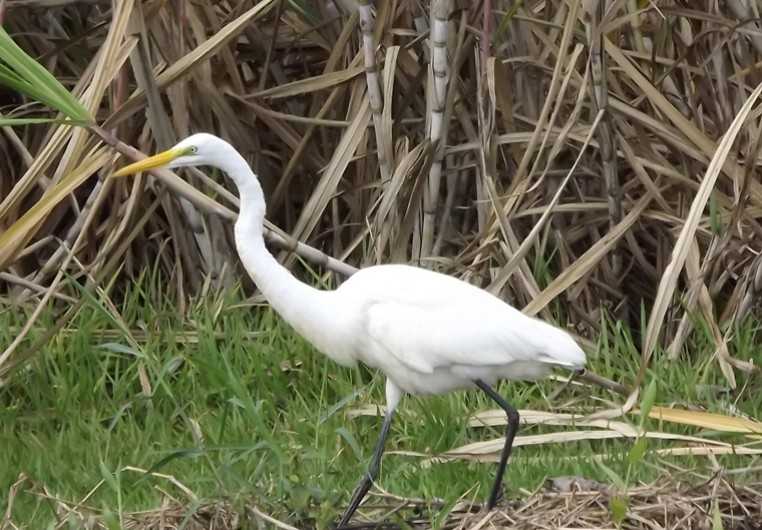
The great egret is a majestic bird, with an elegant and fascinating appearance. Its plumage is completely white, reflecting sunlight and creating a stunning image. This brightness is not just aesthetic; it also plays a role in communication among individuals of the species. With a height ranging from 70 to 100 centimeters, the great egret is one of the most imposing birds in its habitat. Its wingspan can reach up to 1.80 meters, allowing for long and graceful flights. The long, slender legs of the egret are perfectly adapted to the aquatic environment it inhabits. Its long legs enable it to walk easily in shallow waters, where it hunts small prey such as fish, frogs, and insects. The egret has a long, sharp beak, ideal for piercing the water’s surface in search of food. This adaptation is crucial for its survival, as the egret relies on fishing as its main source of nutrition. The physical characteristics of the great egret are not limited to its plumage and size. Its eyes are large and expressive, with a coloration that varies between yellow and orange. This keen vision helps it detect subtle movements in the water, ensuring it doesn’t miss the opportunity to catch a meal. The feathers that adorn the egret also play an important role during the mating season, when males and females display their extravagant plumage to attract partners. For a deeper insight into aquatic birds, you can explore the **Biguatinga**, the fascinating bird of Brazilian waters.
Habitat and Distribution
The bald eagle, with its impressive plumage and majestic wings, primarily finds its home in habitats near water sources. This majestic predator is often associated with lakes, rivers, and coastal regions, where its aquatic diet is abundant. The presence of tall trees nearby is vital. They not only provide shelter but also ideal locations for nesting. This wooded habitat is crucial, as the bald eagle uses these trees to observe its prey and defend its territory. The geographical distribution of the bald eagle covers most of the United States. With remarkable adaptability, these birds can also be found in southern Canada and parts of Mexico. In the United States, they prefer environments that combine water and forest, with a significant concentration observed in states like Alaska, Minnesota, and Florida. The recovery of populations over the past decades has led bald eagles to return to areas where they were once extinct. Some can now even be spotted in urban areas as they find new habitats.
Bald eagles are emblematic birds. They are often seen soaring in circles above bodies of water, searching for fish and other food. This behavior is primarily observed in areas such as the estuaries along the Atlantic coast. For a more detailed view of the fascinating world of birds, you can access the study of the **Biguatinga**, which also illustrates the diversity of avian life associated with aquatic habitats.
Behavior and Feeding
The bald eagle is a majestic predator, known for its feeding habits that reflect its role in ecological balance. These birds are primarily carnivorous and feed on fish, aquatic birds, and small mammals. Their diet is diverse, but fish, such as salmon and trout, are among their favorite prey. Using their powerful talons, bald eagles dive with speed and precision to capture their victims from the water’s surface. These magnificent hunters employ stealthy techniques. They often observe patiently from the top of a tree or cliff. When they spot their prey, they dive in an acrobatic and swift flight. This technique is a combination of strength, skill, and keen eyesight. Besides fish, they may also feed on terrestrial vertebrates and carrion when necessary.
The behavior of the bald eagle is equally fascinating regarding nest construction. They choose high and remote locations, such as cliffs and tall trees, to build their immense structures. The nests, made of branches and materials like grass, can reach impressive sizes and encompass many generations of birds. Territoriality is another important characteristic; these birds vigorously defend their territories against intruders, ensuring food and safety for their young. Bald eagles also demonstrate interesting social behavior, with pairs often working together to care for their young and maintain their nests. For more information about the fascinating bald eagle, explore this article that delves into impressive birds and their habitats.
Reproduction and Life Cycle
The great egret, in its splendor, begins its reproductive cycle through dances and striking displays. During the mating season, males cut through the air with their majestic wings, attracting the attention of females. This dance, rich in graceful movements, is more than a spectacle; it is their language, an invitation to union.
Once the pair is formed, they dedicate themselves to nest building. Typically, nests are erected in wooded areas or wetlands. The pairs gather branches, leaves, and other materials, creating a solid yet delicate structure. The location is crucial, as it must protect them from predators. Even the choice of location is a demonstration of partnership, where both partners diligently collaborate.
After construction, the female usually lays three to five eggs. This incubation period lasts about three weeks. During this time, the parents take turns, ensuring that the eggs are kept warm and safe. Once the chicks hatch, the family dynamic transforms. The parents become intensely devoted to their young. The chicks are initially blind and featherless. Only after a few weeks do they begin to develop. The great egret excels in its parental care. Boldly, they bring food to the perches where the chicks await. Protection against threats is a priority. This parental dedication is vital to ensure the survival of the young. The nest construction, care for the eggs, and meticulous attention to the chicks reflect the intrinsic beauty of the great egret’s life. For more information about aquatic birds, you can explore this article.
Conservation and Challenges
The great egret faces a series of critical challenges in its natural habitat. Urban development and agricultural expansion have led to the destruction of wetlands, essential for the survival of this magnificent bird. The drainage of ponds and marshes compromises its access to food and nesting sites. Water pollution also plays a significant role, affecting the health of the egret and its prey. Chemical pesticides accumulate in the environment, causing diseases and decreasing populations of fish and invertebrates, which are fundamental to the egret’s diet. As if these challenges weren’t enough, climate change threatens the balance of the ecosystems where the egret breeds. Rising temperatures and changes in precipitation patterns further complicate its survival.
In response to these threats, various conservation efforts are underway. Non-governmental organizations, in cooperation with government agencies, have developed habitat restoration projects. These initiatives aim to restore wetlands and protect the nesting sites of the great egret. Awareness programs have also been implemented, educating local communities about the importance of preserving habitats and biodiversity. For example, environmental education projects encourage sustainable agricultural practices that reduce pollution and preserve aquatic ecosystems. The health of great egret populations is closely linked to the health of the environments they inhabit. To understand more about the delicate balance in aquatic ecosystems, one can explore how aquatic birds, like the **Biguatinga**, play a crucial role in maintaining biodiversity.
Conclusions…
In summary, the great egret is an extraordinary bird, whose presence reflects the health of aquatic ecosystems. Protecting its habitat is essential to ensure its survival and the biodiversity around us.
Did You Know?
What is the habitat of the great egret?
The great egret primarily inhabits wetlands, such as marshes, ponds, and rivers, where it can find food and build its nests.
What are the main characteristics of the great egret?
The great egret is known for its long legs, white plumage, and long neck, making it easily recognizable.
What type of food does the great egret consume?
This bird primarily feeds on fish, insects, and crustaceans, which it captures with its elegant fishing technique.
Is the great egret a threatened bird?
Although it is not considered in imminent danger, the great egret faces threats due to habitat degradation and pollution.
How can we help conserve the great egret?
Protecting wetlands, avoiding pollution, and supporting conservation initiatives are effective ways to help the great egret.