Common Nightingale: The Melody of Nature
The common nightingale stands out for its complex and melodious song, a true delight for nature lovers. This article will explore the fascinating characteristics of this bird, its habitat, vocal behavior, and its cultural role over the years.
Characteristics of the Common Nightingale
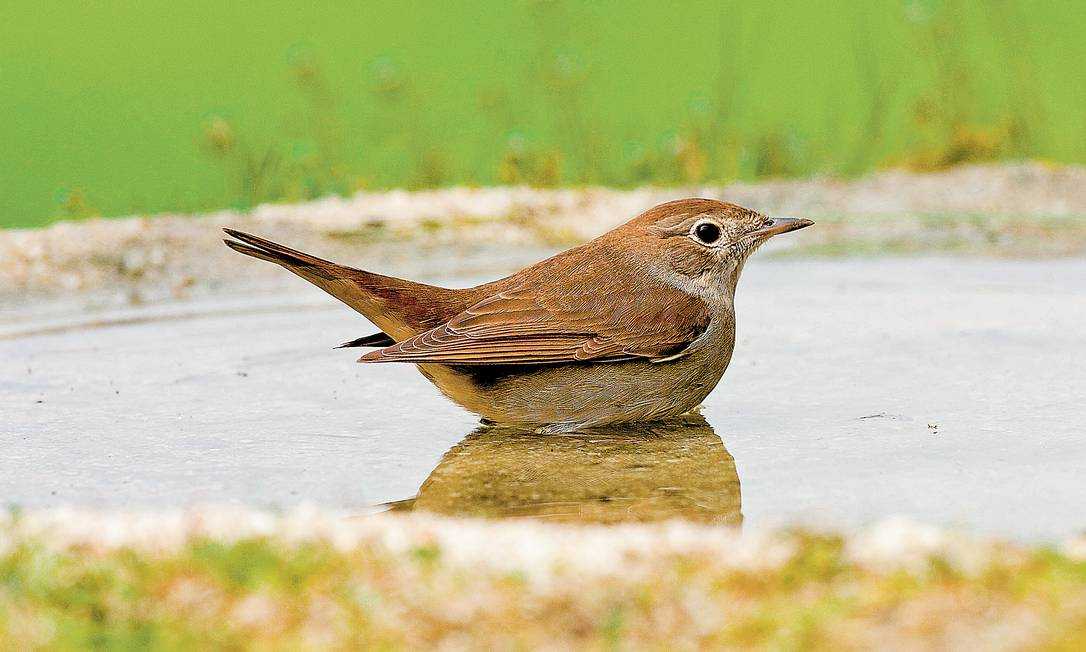
The common nightingale, Luscinia megarhynchos, is a bird that enchants with its discreet presence and melodious song. The plumage of the nightingale is predominantly brown and gray, featuring a subtle pattern that helps it camouflage in its habitat. The upper parts are a darker shade, while the belly is lighter, a characteristic that distinguishes it from other birds. This coloration serves as protection against predators. With a size ranging from 12 to 14 centimeters, the nightingale has a wingspan that can reach up to 20 centimeters. This modest size contrasts with the impressive vocal potential of the species.
The large, bright eyes are one of the most notable features, appearing to capture light in ways that often attract attention. The beak is short and conical, perfectly designed for its diet, which consists mainly of insects and fruits. An interesting characteristic is how the lightweight body structure allows the nightingale to fly swiftly in its environment. Its behavioral habits are also captivating. While other birds may display themselves, the nightingale prefers to stay hidden, singing from discreet locations to avoid attention. This combination of subtle beauty and vocal excellence remarkably distinguishes it in the avian kingdom. The ability to sing at night, like a true symphony of nature, transforms its presence into something magical, a true celebration of wildlife. For more on the fascinating behavior of birds, see this article.
Natural Habitat
The common nightingale, with its discreet plumage and enchanting song, inhabits a variety of natural environments. It is especially found in forests, areas of dense shrubs, and along riverbanks. These areas provide the necessary cover to hide from predators, as well as being rich food sources. Changes in natural habitats directly influence the behavior of this beautiful bird. Preferring locations with low and dense vegetation, the nightingale seeks protection among the foliage that also offers a favorable environment for its breeding practices.
During spring and summer, as the mating season approaches, the common nightingale becomes bolder. It expands its vocal territory, evident in habitats with less human disturbance. Secondary forests and woodlands in suburban or rural areas attract its intense song, which also implies the presence of more established males. In winter, it seeks shelter in more protected regions, such as thick shrubs or thickets, where mild temperatures and the availability of fruits are common.
The way the nightingale adapts to different habitats is fascinating. Its ability to camouflage and its nocturnal habits help avoid predators and promote efficient feeding. Thus, the choice of habitat is not just a matter of comfort but a survival strategy. This intrinsic relationship between the common nightingale and its environment is essential to understanding its nature. To explore more about the fauna that inhabits rivers, check out this interesting water bird from Brazil.
Vocal Behavior
The common nightingale is famous for its melodious songs, which are a crucial form of communication. During the breeding season, its vocalizations become even more elaborate and frequent. Males, in particular, use song to claim territory and attract females. This song is a combination of high and low notes, with a tone that seems to float, filling the air with an almost magical sound.
The songs are not only attractive but also informative. A skilled male can impress a female with his musical diversity. The number and complexity of his songs reflect his health and vigor. Females, therefore, are attracted to males that demonstrate greater vocal skill. This behavior is essential in partner selection.
In addition to attracting mates, the songs of the nightingale also have a territorial role. Males singing announce their presence to other competitors, establishing clear boundaries. The song of a nightingale can be heard over significant distances, causing potential rivals to stay away. This minimizes the number of physical confrontations, reducing the risk of injury and preserving resources.
Surprisingly, the nightingale is also capable of mimicking the sounds of other birds and even animals. This ability can deter predators or simply deceive competitors. Thus, it is understood that the song of the nightingale intertwines with various functions. To learn more about the uniqueness of communication among birds, see the nuances in animal communication.
Cultural Importance
The common nightingale, with its enchanting melody, is deeply rooted in culture and literature. Poets and musicians often use it as a symbol of love, beauty, and nature. In John Keats’ classic work, ‘Ode to a Nightingale,’ the bird inspires reflections on mortality and the ephemerality of life. The music of this bird evokes a desire for freedom and a longing for something beyond the mundane.
In mythology, the nightingale is often associated with beauty and harmony. This bird represents a link between the human and the divine. In many cultures, its song is considered a manifestation of the spirit of nature. The tradition of associating the nightingale with poetry is so strong that Romantic poets often sought its presence as direct inspiration.
In the musical field, the nightingale also has its place. Composers like Franz Schubert incorporated the song of the nightingale into their works. This representation not only honors the beauty of the bird but also symbolizes the yearning for something greater. Its soft and melodic song has been translated into various musical compositions throughout history.
Moreover, the figure of the nightingale is one of the recurring themes in visual arts. Paintings and illustrations often depict the bird in natural settings, highlighting its importance. Indeed, its presence is a testament to an intrinsic connection between culture and nature. To explore more about the role of birds in culture, visit Birds in Culture, a fascinating dive into avian cultural representations.
Conservation and Future
The common nightingale is more than just a spring singer; it has become a symbol of the challenges that nature faces. The destruction of its habitat is a growing concern. Areas once filled with dense vegetation are being replaced by agricultural fields and urban developments. This phenomenon has a direct impact on the species, harming not only its nesting sites but also the abundance of insects and plants that are essential for its diet.
Conservationists warn that habitat loss is one of the main culprits behind the decline in nightingale populations. Farming practices and pesticide use also have devastating consequences. Many plants that provide shelter and food are exterminated, while insects, the main sources of nutrition, disappear. This lethal combination can lead to a collapse in the population of this beloved bird.
The implementation of conservation measures is imperative. There are initiatives aimed at restoring forest habitats and promoting sustainable agriculture. Maintaining areas of native vegetation is crucial. Protected zones, where pesticide use is restricted, can make a difference. Birdwatching groups and ecologists are collaborating to monitor the situation of the nightingale. The best part is that each of us can contribute. Creating wildlife spaces on our properties promotes biological diversity. As a result, we can ensure that the melodies of the nightingale continue to echo in nature.
For more insights on how biodiversity preservation is vital, I recommend reading about the importance of birds and their habitats.
Conclusions…
The common nightingale represents the essence of natural beauty, being a link between wildlife and human culture. Its song continues to inspire and enchant, reminding us of the importance of preserving these natural treasures.
Did you know?
What is the habitat of the common nightingale?
The common nightingale inhabits dense forests, shrubs, and areas near water, preferring locations where it can easily hide.
What is the song of the common nightingale like?
The song of the common nightingale is complex and melodic, varying between clear and soft notes, enchanting all who are lucky enough to hear it.
What is the behavior of the common nightingale?
The common nightingale is generally solitary but becomes more active during the breeding season when males sing to attract females.
What cultural role does the common nightingale play?
The common nightingale has been a symbol of beauty and inspiration in literature and music throughout history, representing nature in its purest form.
Is the common nightingale endangered?
Although the common nightingale is not currently threatened, habitat loss may impact its populations in the long term.