The Diving Duck and the Richness of Its Habitat
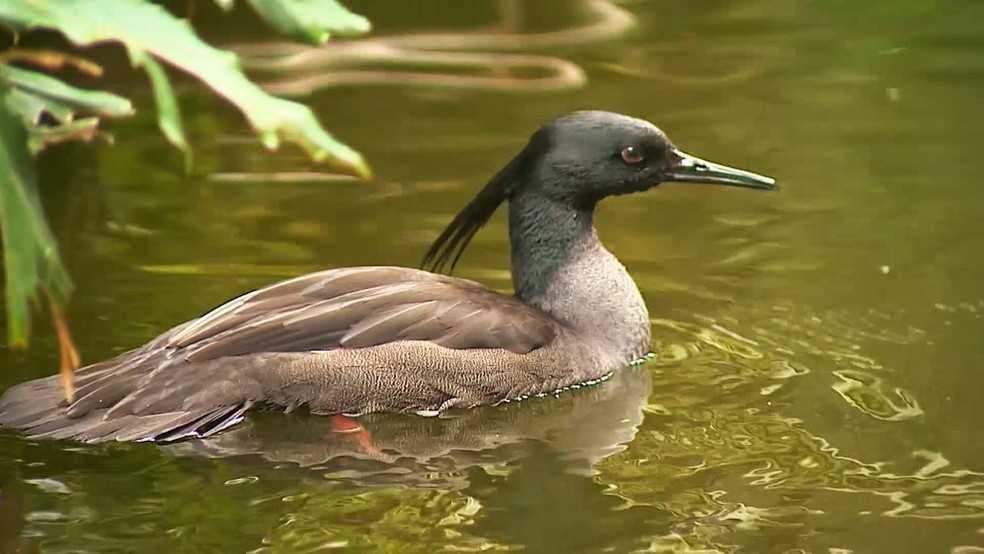
The diving duck, a rare and endemic aquatic bird from Brazil, captivates with its serrated bill and diving habits. We will explore its biology, habitat, and the challenges it faces to survive in a constantly changing world.
The Biology of the Diving Duck
The diving duck is a fascinating bird, adapted for aquatic life. Its body is aerodynamic, allowing it to dive quickly in search of food. The plumage is generally a dark shade, aiding in camouflage in deep waters. Its serrated bill is one of its most impressive features. This adaptation is essential, as it allows the duck to filter small crustaceans and insects from the water. This unique structure makes its feeding effective, ensuring it can sustain itself in varied habitats.
With a graceful advance in the water, the diving duck is also an exceptional diver. Using its webbed feet, it can submerge and swim long distances. Its diving habits are essential for capturing prey. The bird is known to dive to significant depths, where it seeks fish and invertebrates that are part of its diet. In times of need, it can remain submerged for several minutes, making the most of each dive.
In addition to its diving skills, the diving duck exhibits interesting social behaviors. They are often seen in small colonies. These social interactions help in exchanging information about abundant food locations. The combination of physical and behavioral characteristics makes the diving duck a marvel of adaptation. To learn more about other aquatic birds, be sure to check out this fascinating bird from Brazilian waters. These adaptations are not only a wonder of nature but vital for the survival of this species.
The Habitat of the Diving Duck
The diving duck, a remarkable bird, finds its home in aquatic ecosystems that span rivers, lakes, and swamps. These habitats provide not only food but also shelter. The banks rich in vegetation are essential for its lifestyle, as they offer strategic nesting and protection from predators. Mangroves, for example, are particularly valuable environments. They harbor a diversity of fish and invertebrates, which constitute the diving duck’s diet.
The balance of these ecosystems is crucial. The diving duck depends on clean and healthy environments to thrive. Polluted waters not only reduce food availability but also affect the bird’s health. The aquatic vegetation that serves as critical shelter and hiding spots for reproduction faces the same challenges. Habitat degradation, largely driven by human activities, becomes an increasing threat.
Urbanization along watercourses and improper land use contribute to the destruction of natural habitats. This results in the loss of areas necessary for nesting. Furthermore, pollution introduces harmful chemicals that affect water quality. With the acidification and temperature changes of water bodies, aquatic life is harmed, impacting the diving duck’s food chain. Therefore, preserving its aquatic habitats is fundamental. Understanding and protecting these ecosystems is vital to ensure the survival of this fascinating species. For more information about Brazilian birds and the ecosystems they inhabit, see the article on the **Biguatinga**, which also shows how conservation is essential.
Threats to the Species’ Survival
The diving duck, an emblematic aquatic bird, faces significant threats that compromise its survival. The main one is habitat loss, primarily caused by urbanization and deforestation. When wetlands, where the diving duck breeds and feeds, are drained or polluted, the birds lose their vital space. This phenomenon not only reduces the areas available for the duck but also fragments its populations, making it harder to find partners and resources.
Another crucial factor is water pollution. The indiscriminate use of pesticides and agricultural fertilizers contaminates rivers and lakes, which are necessary for the survival of this bird. This pollution affects water quality and, consequently, the availability of food, such as small fish and invertebrates. This can malnourish the birds, interfering with their reproduction and long-term survival.
Climate change also puts diving ducks at great risk. It alters rainfall patterns and temperatures, affecting the aquatic ecosystems on which these birds depend. Rising temperatures can lead to severe droughts, reducing habitats and food sources. Warmer waters may also favor pathogenic organisms, putting the ducks at additional risk.
Fortunately, awareness of these threats is growing. Conservation initiatives aim to protect the habitats of these ducks, but collective action is essential. Knowledge is power. Therefore, education about the importance of the diving duck and its habitat is essential for its protection. To learn more about the importance of conservation, access this article.
Conservation Efforts
The protection of the diving duck, an emblematic species of our aquatic ecosystems, requires a joint effort. Environmental organizations, governments, and local communities are mobilizing to create conservation initiatives aimed at protecting this bird and its habitat. One of the main strategies is the restoration of wetlands, essential for the survival of the diving duck. The degradation of these habitats, often caused by human activities, poses a direct threat to the species.
In addition to restoration, environmental education plays a fundamental role. By raising awareness among the population about the importance of the diving duck, local communities become allies in conservation. Monitoring and research projects are implemented to collect data on the species’ population and its needs. This includes empowering community volunteers to help gather essential information.
Community participation is vital, as it ensures that the community feels part of the conservation process. Habitat cleanup events and educational workshops have encouraged the population to engage actively. Involvement from schools and universities has also promoted a new generation of environmentalists interested in defending local biodiversity.
Successful experiences in other regions show that the combination of conservation and community engagement can yield significant results. When everyone works together, raising awareness and adopting protective practices, the chances of survival for the diving duck increase. To learn more about other aquatic birds, you can visit this page about the **Biguatinga**, which inhabits the same ecosystems and plays crucial roles in their preservation.
The Future of the Diving Duck
As the conservation of the diving duck becomes a priority, the prospects for the future of the species lie in human hands. Ongoing research is essential to understand its habits, needs, and habitats. Studies on its ecology allow for the identification of crucial areas that must be protected. Without a clear understanding of how these ducks interact with their environment, all preservation attempts may be in vain.
Regular monitoring of populations is equally important. This can be carried out through annual censuses and constant observations. The use of technologies, such as GPS tracking, helps map movements and explore the diving duck’s behavior patterns. This data collection provides valuable information that can guide conservation strategies.
The creation of protected areas is also vital. Wetlands, ponds, and rivers need to be conserved and restored. Protecting these environments ensures that the diving duck has suitable places for breeding and feeding. However, conservation efforts must include the involvement of local communities. This can be achieved through environmental education and incentives to protect biodiversity.
Moreover, environmental legislation must be strengthened to ensure that threats to the species are mitigated. Well-founded research and conservation policies can help promote a safer future for this emblematic bird. For more information on the conservation plan for aquatic birds, access the article on the **Biguatinga** and understand how protecting their habitats is fundamental.
Conclusions…
The diving duck is a symbol of the richness and fragility of Brazil’s aquatic ecosystems. There is an urgent need to conserve its habitats and implement actions that ensure its survival, so that future generations can also admire its beauty.
Did You Know?
What is the diving duck?
The diving duck is an endemic aquatic bird from Brazil, known for its serrated bill and exceptional diving skills.
Why is the diving duck threatened?
The species faces threats such as habitat degradation, pollution, and climate change, which impact its survival.
How can I help in the conservation of the diving duck?
You can support conservation initiatives, participate in local projects, and raise awareness about the importance of protecting aquatic habitats.
What are the habitats of the diving duck?
The diving duck primarily inhabits lakes, ponds, and rivers with aquatic vegetation, which are essential for its feeding and reproduction.
Are there specific conservation programs for the diving duck?
Yes, various environmental organizations are implementing conservation programs to protect the diving duck and its habitats in Brazil.