Termites: The Silent Destroyers
Termites, fascinating social insects, pose a threat to the structural integrity of many buildings. In this article, we will explore their biology, eating habits, the magnitude of the damage they can cause, and the best strategies for efficient pest control.
The Biology of Termites
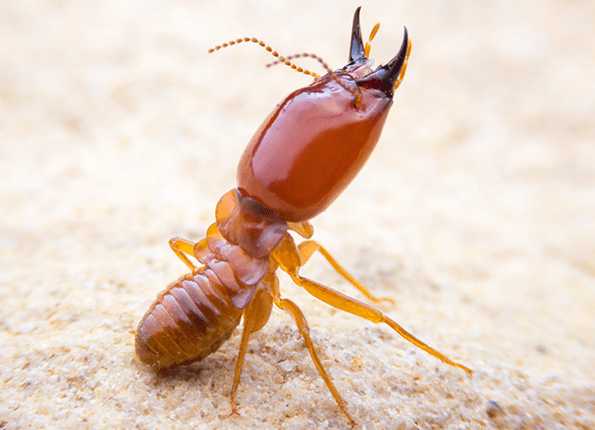
Termites belong to the order Isoptera and are famous for their advanced social organization. They are classified into three main castes: soldiers, workers, and reproducers. The soldiers, with their large mandibles, defend the colony against predators. The workers, responsible for foraging and caring for the queen and nymphs, form the backbone of the workforce. The reproducers, including the king and queen, are tasked with reproduction and colony expansion, starting new homes by mating during annual swarms. Termite colonies can vary in size, from hundreds to millions of individuals. This large number facilitates the division of labor. While the workers search for food and maintain the structure of the home, the soldiers remain vigilant against any threats. Their collective behavior is remarkable: they communicate through pheromones and vibrations, efficiently coordinating their activities.
Termites primarily feed on cellulose, a substance abundant in wood and plant material. However, their digestion relies on symbiosis with microorganisms in their digestive system, which help break down cellulose. This unique adaptation allows them to transform indigestible materials into nutrients.
The colonies reproduce through a fascinating process. During swarming, the winged reproducers leave the original colony, mating in a new location. This ritual not only ensures the continuity of the species but also the formation of new colonies. This complex biology highlights the intricate life of termites in their own invisible world. For more on the diversity of species that inhabit our planet, you can check this link.
The Damage Caused by Termites
Termites are true silent destroyers, capable of causing substantial damage to buildings and wooden objects. When a nest establishes itself in a home, the advance of termites can be devastating. It is estimated that annual damages caused by termite infestations in the United States exceed $5 billion. These insects do not limit themselves to small areas; they can attack pillars, beams, and even support structures. It’s like an oil stain spreading, devouring everything around it.
In terms of furniture, the effects are equally alarming. Termites feast on tables, chairs, and cabinets, reducing furniture to nothing more than a tangle of hollow wood. A study revealed that about 30% of homes face some type of damage caused by these insects. The destruction may not be visible at first glance, as termites often work silently within the wood, away from human eyes.
Besides structures and furniture, termites also affect other wooden objects. Old books, musical instruments, and even pieces of art can be compromised. Humidity and temperature are factors that favor infestation, making prevention even more important. Early detection is crucial. Spotting signs of infestation can save properties and reduce repair costs. To better understand how to identify these signs, I recommend reading about spider behavior, which also reveals the importance of observation in nature in this article.
Identifying Infestations
Termites are like invisible shadows, silently moving through the wood, causing incalculable damage. Early identification of infestations is crucial to prevent large-scale destruction. Initially, look for visible signs of activity. Mud tubes, like those made by termites, are unmistakable clues. These protective channels can be found on walls or along beams.
Also, observe the wood. If it appears hollow, the infestation may be inside. Delving deeper, it is vital to watch for the presence of small droppings, which are indications that the colony is nearby. The characteristic sound when tapping on hollow wood is another sign. Additionally, the presence of exoskeletons left behind during molting can be an indication of a potential problem.
A regular inspection is armor against destruction. Monitor areas prone to moisture, as termites are attracted to humid environments. Also, check for any signs of wood that appears damaged. The combination of constant vigilance and knowledge of the ‘trails’ of invasions can ensure that you keep your property free from these stealthy enemies. If in doubt, a qualified professional can assist in accurately identifying the situation in your residence. The cost of negligence can be high, but the wisdom in observation is an investment that is always worth it.
Termite Control Methods
Termite control is essential to preserve the integrity of structures. Control methods are divided into chemical treatments, physical barriers, and natural solutions. Chemical treatments are widely used and, when applied correctly, can be quite effective. These products act as poisons, eliminating termites on contact and those that consume the treated wood. However, their effectiveness depends on careful application and the environment in which they are used, and in some cases, they may show resistance over time.
Physical barriers also provide significant protection. Using materials like plastic, metal, or concrete can prevent termites from reaching the wood of a property. A cement barrier with coating is an effective technique, creating a solid and impassable structure. However, installation must be done correctly, as any failure can be exploited by invaders.
Natural solutions have gained prominence. Some people opt for essential oils or botanical extracts that act as repellents. These options, while less aggressive, may have variable effectiveness. In an environment where the infestation is considered moderate to high, these natural methods need to be supplemented with more robust interventions.
Therefore, each method brings its own challenges and effectiveness. Between chemical, physical, and natural solutions, the choice should consider the severity of the infestation and environmental safety. For a deeper perspective on the relationship between ecosystems and infestations, consult tardigrades, remarkable creatures that illustrate resilience in nature.
Infestation Prevention
Preventing termite infestations requires a meticulous approach and ongoing awareness. These insects, known for their silent destruction, thrive in specific conditions. Therefore, careful actions in maintaining environments are essential to avoid their presence.
First, moisture is one of the main factors that attract termites. It is crucial to ensure good ventilation in basements, crawl spaces, and areas under the house. The use of dehumidifiers may be considered in moisture-prone locations.
Second, periodic inspection of the environment is vital. Searching for signs of infestation, such as wood that disintegrates easily or small holes, can help in early detection. Inspections should include wooden furniture, structures, and even the ground around the house.
Third, eliminating wood in contact with the ground is an essential practice. This prevents ground termites from having direct access to wooden structures. It is also recommended to avoid the accumulation of leaves, grass, and other wood near the perimeter of the house, as they serve as pathways for these little destroyers.
Additionally, the emissions of chemical products with repellent properties can help protect the wood. Preventive applications should be made on exposed wood, especially before construction.
Finally, continuous monitoring of the structure and moisture should be part of the maintenance routine. Awareness of the dangers of termites is the first step toward protecting and preserving buildings.
Conclusions…
Termites are small yet powerful. Their ability to cause significant damage to structures demands attention and action. Protecting your property involves understanding their behavior and implementing effective control measures. Never underestimate these silent destroyers.
Did You Know?
What are termites? Termites are social insects that feed on cellulose found in wood and other organic materials.
How do termites damage structures? They chew through wood, compromising the structural integrity of buildings and furniture.
What are the signs of a termite infestation? Signs include hollow wood, soil tunnels, and sand-like droppings.
How to prevent termite infestations? Regular maintenance, moisture control, and the use of physical barriers help in prevention.
When to call a professional for termite control? It is advisable to call a specialist upon detecting signs of infestation.