Snow Capybara: The Deer of the Heights
The snow capybara is an intriguing mammal that adapts to cold temperatures. Discover why its existence is vital for the mountain ecosystem.
The Frigid Habitat of the Snow Capybara
The frigid habitat of the snow capybara is a place of serene beauty and immense challenges. Here, amidst the vastness of the ice-covered mountains, these unique deer thrive in ways that fascinate and inspire. The icy environment, with its temperatures often below zero, is shaped by a series of factors that directly impact the life of this species.
Characteristics of the Habitat
These deer inhabit mountainous regions, where deep snow and rugged terrain create a stunning backdrop. The vegetation is generally sparse, composed of hardy grasses and shrubs that manage to survive the harsh cold. Despite the apparent aridity, this habitat offers a miniature ‘buffet’; the capybaras feed on specific vegetation that withstands the extreme climate. Additionally, refuge areas, such as caves and crevices in the rocks, provide crucial shelter against predators.
Importance of the Environment for Survival
The frigid environment is not just a beautiful backdrop for the snow capybara, but it is also essential for its survival. First, the extreme climatic conditions favor a life cycle that generally limits competition with other species. Moreover, the snow offers a form of protection, as the animal’s coloration camouflages it in the ice, providing advantages when evading predators. Adapting to this brutal scenario is a true lesson in resilience and ingenuity. As we explore more about the snow capybara, it is fascinating to consider how this species adapts to its habitat and the severe climate it faces daily.
Physical and Behavioral Adaptations
Imagine yourself in an environment where the temperature never rises above zero. In this scenario, the snow capybara emerges as an extraordinary example of adaptation. Over many generations, these animals have developed characteristics that allow them to survive and even thrive in the harshest conditions nature can offer.
Amazing Physical Features
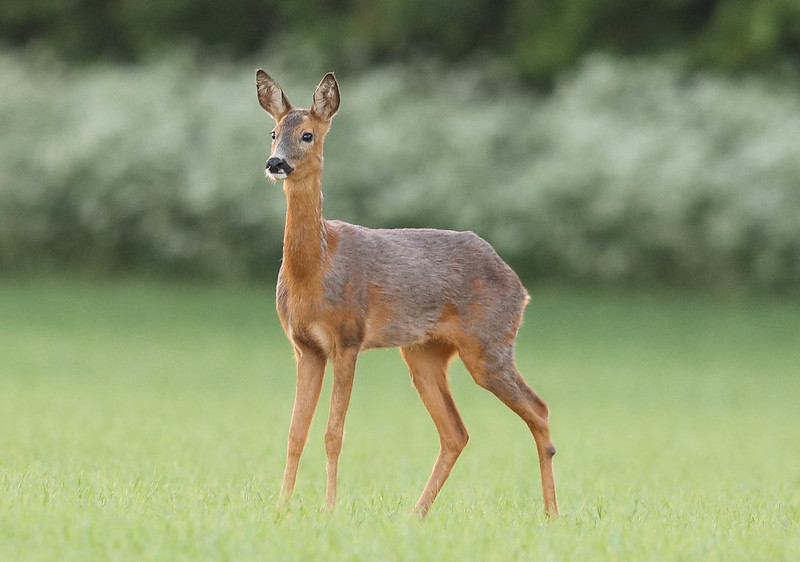
Firstly, its thick and dense fur acts as armor against the cold. This coat not only retains heat but also repels moisture, something essential in icy ecosystems where humidity often condenses into ice. Furthermore, the robust limbs of the snow capybara allow it to move agilely over snowy surfaces. In fact, the broad structure of its paws acts as a flotation device, distributing its weight and preventing it from sinking into the soft snow.
Adaptive Behavior
In addition to physical adaptations, the behavior of the snow capybara is equally fascinating. During the day, they gather in groups, which not only provides safety but also facilitates foraging. These social interactions are essential for their survival success in an inhospitable habitat. With this in mind, the snow capybara is also a selective herbivore, feeding on available vegetation that, despite the extreme cold conditions, still exists. Thus, its diet is adaptable, ensuring they can find sustenance during the most challenging months. As we continue to explore the wonderful world of the snow capybara, it is important to understand the role these adaptations play in the ecosystem they inhabit. The interactions of the snow capybara with other species and the vegetation will be crucial to understanding its ecological importance.
Ecological Role and Interactions
In the vast and majestic mountains, the snow capybara plays a crucial role that goes far beyond its physical presence. This graceful and adaptable herbivore, which moves easily among the icy rocks and vegetation, significantly contributes to the maintenance and diversity of its ecosystem. Its diet, consisting mainly of grasses and mountain shrubs, not only nourishes its own body but also shapes the landscape around it.
Interaction with Vegetation
By feeding, the snow capybara helps control the growth of vegetation, allowing different plant species to thrive. Its ability to forage plants in elevated locations prevents some species from dominating, promoting a more balanced habitat. Thus, the pastures become more diverse, creating an ideal environment for other species of fauna and flora that depend on this healthy ecosystem.
Interactions with Other Species
In addition to interacting significantly with vegetation, the snow capybara also establishes fundamental connections with other species. Predators, such as birds of prey and mountain felines, are attracted by its presence, making it an integral part of the local food chain. Thus, the capybara is not only a food source but plays a vital role in regulating the populations of its predators. These interactions once again reiterate the interdependence of all creatures inhabiting these environments. When considering the mountainous ecosystem, the snow capybara emerges not just as a simple being, but as a transformative agent, a subtle and effective influence that integrates wildlife. By better understanding its ecological role, we recognize the need for its preservation and the foundation it provides for biodiversity, a theme that will be explored further, especially regarding the threats and conservation efforts it currently faces.
Threats and Conservation
The snow capybara, a majestic inhabitant of the mountains, faces increasingly alarming challenges. Its imposing beauty, which enchants all who are fortunate enough to catch a glimpse, is under serious threat, resulting in a struggle for survival.
Threats to Survival
The primary enemy of the snow capybara is climate change. As temperatures rise, their naturally cold habitats are shrinking, forcing them to migrate to ever-higher altitudes. This migration, however, is not without its risks, as food scarcity becomes a persistent problem. In addition to climate changes, habitat fragmentation resulting from human activities is another significant threat. Roads, urbanization, and agriculture are gradually isolating populations, hindering genetic exchange and healthy reproduction.
Necessary Conservation Efforts
Protecting the snow capybara requires a multifaceted approach. It is essential to create protected areas that encompass their critical habitats. Furthermore, restoring degraded ecosystems is a fundamental step. Conservation efforts must also include awareness campaigns to educate the public about the importance of this species. Initiatives to monitor populations, along with international efforts to address climate change, are crucial. Only through global collaboration can we help this magnificent deer thrive in its mountainous habitat. Thus, the fight for the survival of the snow capybara is not just a matter of conserving a species, but a reflection of the health of our ecosystems. With the latest threats being faced, it becomes imperative to join forces before it is too late. Now, let’s reflect on how each of us can help in this noble mission.
How Can We Help?
The snow capybara, a magnificent creature that inhabits the imposing heights, faces a silent challenge. The threat of climate change and habitat loss puts at risk not only the survival of this species but also the rich biodiversity surrounding it. Therefore, it is imperative that all of us, nature admirers, take effective steps to ensure a sustainable future for these magnificent herbivores.
Contributing Locally
On a local level, small changes can make a significant impact. Participating in conservation groups and getting involved in habitat preservation projects is an excellent first step. Additionally, adopting conscious consumption practices, such as choosing sustainable products, is fundamental. When you opt for products that do not threaten ecosystems, you are doing your part, even if subtly.
Share and Educate
Share your knowledge about the snow capybara with friends and family. Education plays a crucial role in raising awareness. The more people know about the importance of the snow capybara and the need to protect its habitat, the more support will be directed towards its preservation. Consider, for example, accessing informative resources about local wildlife, which can raise environmental awareness, just like the history of tea as a sacred ritual. Every small gesture counts. Together, we can preserve not only the snow capybara but also its lush habitat, ensuring that future generations can also be enchanted by the beauty of life in the mountains.
Conclusions…
The snow capybara is a fascinating example of how evolution allows species to adapt to challenging environments. Its presence in the mountains not only enriches biodiversity but also plays a crucial role in the regional ecological balance. Protecting these habitats is essential to ensure the survival of such unique animals. Therefore, awareness of the importance of conserving cold regions is necessary to preserve the snow capybara and many others that inhabit there.
Did You Know?
What is the snow capybara?
The snow capybara is a mammal species adapted to cold climates, often found in highlands.
Where does the snow capybara live?
It primarily inhabits mountainous and cold areas, where its characteristics aid in survival.
How does the snow capybara adapt to low temperatures?
It has thick fur and an efficient metabolism that help maintain stable body temperature.
What is the role of the snow capybara in the ecosystem?
This mammal is vital for ecological balance, aiding in seed dispersal and maintaining local vegetation.
Is the snow capybara an endangered species?
Yes, due to climate change and habitat loss, this species faces significant risks.
What can we do to protect the snow capybara?
Supporting conservation initiatives and promoting the preservation of natural habitats are important steps.
How can I learn more about the snow capybara?
You can inform yourself through zoology books, documentaries, and specialized wildlife websites.
Is the snow capybara a social animal?
Yes, they often live in groups, which provides safety and cooperation in foraging.