Fish That Walk on Land: The Fascinating Adaptation of Aquatic Inhabitants
Have you ever imagined that some aquatic species can walk on land? This extraordinary phenomenon reveals the incredible adaptability of life. In this article, we will explore the fascinating abilities of fish that venture onto land.
The Evolution of Fish to the Terrestrial World
In a world where evolution continues to surprise, some of the most intriguing inhabitants of the waters have taken bold steps toward land. These remarkable fish, such as the famous lungfish and the wobbegong, have not only survived the adversities of temporary aquatic environments but have also adapted in ways that allow their existence beyond water.
The Pressures of Evolution
For thousands of years, climate changes and fluctuations in water levels have created challenging environments for aquatic life. As a result, some fish evolved to explore the banks of rivers and swamps, where oxygen became scarce. Adapting to these conditions, they evolved characteristics that facilitated aerial respiration and locomotion on land. What is most surprising is how these adaptations were not just a necessity but a true manifestation of evolutionary intelligence.
Physiological Adaptations
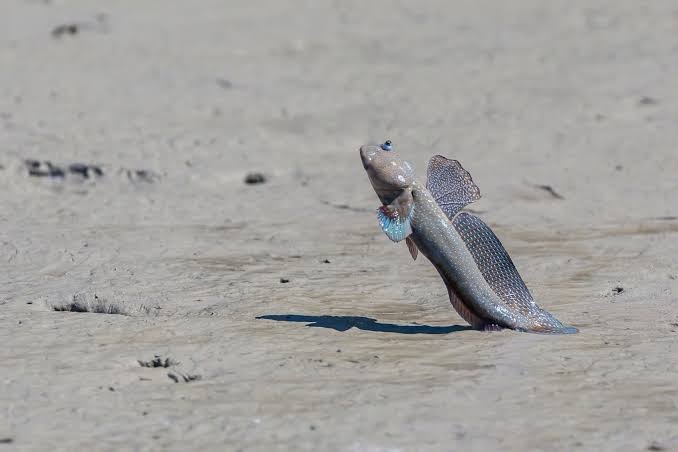
Among the most impressive features are the fins transformed into functional limbs. Fish that walk on land have developed bony structures resembling legs, allowing them to navigate rugged terrain. For example, the mudskipper uses its fins to propel itself, leveraging the force of gravity in an environment that would be hostile to others. This fascinating process has already inspired research in areas such as bionics, in the quest for innovations in movement.
As we reflect on these remarkable travelers between the aquatic and terrestrial worlds, we are reminded of the power of adaptation. The journey of these fish teaches us not only about the resilience of life but also about the eternal quest for survival and evolution. As these extraordinary beings walk on land, they prepare us to explore adaptive locomotion strategies and the physical modifications that enabled this incredible transition.
Locomotion Strategies and Physical Adaptations
As life on land emerged from its aquatic origins, some fish developed fascinating adaptations. These notable inhabitants not only abandoned water but also redefined their locomotion strategies, allowing them to conquer new environments. The drive for this adaptation is clear: the search for food and new habitats. Fish that walk on land demonstrate impressive resilience and innovation in their daily lives.
Locomotion Strategies
Among the various species that venture out of water, some, like the Periophthalmus, known as the mudskipper, use their pectoral fins to propel themselves in a movement similar to ‘walking.’ These fins have evolved to be more robust and muscular. This adaptation is not merely a matter of locomotion. Moreover, it opens doors for foraging in wet ecosystems teeming with life. Mudskippers, for example, are masters of this movement, utilizing the unique characteristics of their environment to move with dexterity and efficiency.
Physical Adaptations
Besides locomotion, physical adaptations are equally vital for survival outside water. Many of these fish have developed rudimentary lungs or, in some cases, more permeable skin, facilitating respiration and oxygen absorption from the air. The Clarias gariepinus, an African catfish, is a notable example. It can survive outside water for long periods, using its skin for respiratory regulation. This phenomenon is a true testament to the adaptability of aquatic life to the demands of a new habitat, showing that evolution is a continuous and fascinating process. Thus, as we reveal the complex survival tactics of fish on land, we also prepare to explore the challenges they face in their new journey.
Challenges and Risks Faced
Imagine a world where aquatic inhabitants, driven by the need for survival, venture onto dry land in search of shelter and food. This transition, while fascinating, is fraught with challenges and risks for these fish that dare to walk on land. The landscape becomes even more dramatic when we consider the obstacles they face in this territory so different from their aquatic home.
Risks of Dehydration
Dehydration is one of the most significant threats that fish face when venturing out of water. These magnificent beings, adapted to aquatic environments, have skin that, while impressive, is vulnerable to dry air. When exposed for long periods, fish lose crucial moisture, which can result in their death. Therefore, these fish must be cunning, using their locomotion ability to navigate between puddles and wet areas that offer some relief. At the same time, this search for water puts them in contact with agile predators that perceive their vulnerability.
Predators and Changing Ecosystems
As they explore the land, fish become easy targets for predators such as birds and terrestrial mammals. This new predator-prey dynamic is a constant challenge. Moreover, environmental changes, such as pollution and habitat degradation, intensify this struggle for survival. Places that were once safe and resource-rich are becoming increasingly hostile. Thus, species that venture out of water not only face immediate physical dangers but also the long-term repercussions of a changing environment. In this context, the resilience of these fish is tested daily as they continuously adapt to stay alive in such an unpredictable world. As we delve into the specific adaptations of some species that walk on land, it becomes evident that this struggle for survival is just the beginning of a journey that leads us to new discoveries.
Notable Examples of Walking Fish
Imagine, for a moment, a fish that decides to abandon the waters of its aquatic habitat, exploring dry land with surprising dexterity. Fish that walk on land are not only intriguing creatures but also impressive examples of evolutionary adaptation. Here, we will explore some of the most notable species that defy the conventions of aquatic life, each with its unique characteristics, habitats, and the challenges they face.
The Peculiar Lepisosteus oculatus
This fascinating fish, better known as the bowfin, is famous for its ability to swim and simultaneously move efficiently on land. The Lepisosteus oculatus, which inhabits the swamps of the United States, has developed the ability to breathe atmospheric air through an adapted organ. It uses its pectoral fins to drag itself across the land in search of food or new habitats. However, this adaptability does not come without challenges; urbanization and pollution threaten its environment and survival.
The Exuberant Mudskipper
On the other hand, another impressive example is the mudskipper, a fish that not only walks on land but can also jump and climb. These fish are found on the muddy shores of intertidal zones and exhibit fascinating social behavior, competing with each other for territory. Besides their locomotion, they use their gills to breathe air, a feat that makes them true inhabitants of two worlds. However, the destruction of their coastal habitat due to development is a serious threat to their population.
These fish are not mere curiosities of the animal kingdom; they symbolize the power of life to adapt and thrive in challenging conditions. As we move forward, it is crucial to reflect on the importance of conserving these ecosystems, which provide shelter to these extraordinary creatures and play an essential role in our planet.
The Importance of Preservation
As we explore the fascinating scenarios where water and land meet, we are confronted with a concerning reality: the fragility of these ecosystems. Fish that walk on land, like the mudskipper, not only challenge the traditional perception of what it means to be a fish but also play a crucial role in maintaining biodiversity. These incredible beings, who venture out of water, are alerting us to the importance of protecting the habitats they inhabit.
The Impact on Biodiversity
Fish that walk on land have vital ecosystem functions. By moving across the land, they help in the dispersion of seeds and nutrients, promoting soil health. Moreover, these organisms are a food source for various predators, forming an essential link in local food chains. Their presence, therefore, is not only a demonstration of life’s adaptability but a key piece in the intricate web of biodiversity. By protecting their habitats, we also ensure the conservation of many other species that depend on this interaction.
Threats and Preservation
Unfortunately, fish that walk on land face various threats. Habitat destruction due to human activity, such as pollution and deforestation, jeopardizes their survival. Therefore, it is imperative that societies recognize the importance of conserving these ecosystems. Through preservation initiatives, we can not only protect these intriguing fish but also ensure the resilience of aquatic and terrestrial environments. This is a call to action, reminding us that every step taken toward preservation is a step toward a healthier and more balanced future. Thus, the preservation of fish that walk on land joins a larger effort to care for global biodiversity. As we prepare to explore the wonder of photosynthesis, we reflect on our role as guardians of nature and how every living being, no matter how small, plays a fundamental role in our existence.
Conclusions…
The adaptation of fish that walk on land is a remarkable testament to the evolution and resilience of life. These creatures not only challenge our perceptions of the limits of aquatic species but also teach us about the importance of ecological diversity. Understanding how these fish move and survive outside water opens doors to new research and habitat preservation. By respecting and protecting these unique environments, we can ensure that these fascinating adaptations of nature endure for generations.
Did You Know?
- Which fish are known to walk out of water? Species like the thief fish and the arapaima are notable examples of fish that have developed abilities to move on land.
- How do these fish manage to breathe outside water? These fish have special adaptations in their gills or lungs that allow them to extract oxygen from the air, as well as conserve water.
- What is the importance of these evolutionary adaptations? These adaptations allow fish to escape predators, seek food, or move to new habitats, increasing their chances of survival.
- Can fish that walk on land live permanently outside water? No. Although they can move on land, these species need to return to water to survive, especially for respiration and reproduction.
- How does climate change affect these fish? Climate changes can impact their aquatic habitats, making them vulnerable. Ecosystem degradation can limit their resources and breeding sites.
- What habitats do they prefer? These fish typically inhabit mangrove areas, swamps, and shallow rivers, where they can easily alternate between water and land.
- Are there other animals besides fish that also walk out of water? Yes, various species of anurans, such as frogs and toads, have similar abilities, as do some reptiles and aquatic mammals.
- What role do fish that walk on land play in the ecosystem? They are essential in the food chain and help in the pollination of aquatic plants by migrating between environments, as well as being indicators of environmental health.