Saiga: The Steppe Antelope That Captivates with Its Distinctively Large Nose
The saiga, a unique antelope of the Eurasian steppes, draws attention not only for its unusual appearance but also for its ecological importance. In this article, we will explore its characteristics, habitat, and survival challenges.
Unique Characteristics of the Saiga
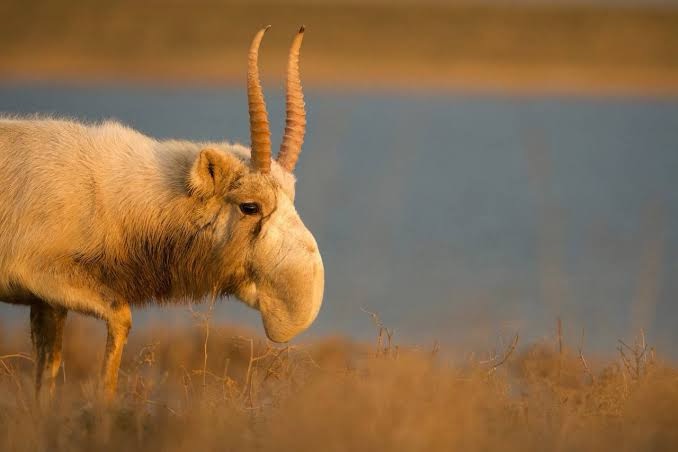
When observing the vast steppes of Central Asia, it is impossible not to be impressed by the distinctive figure of the saiga, an antelope that stands out not only for its beauty but also for its incredible adaptations to life in arid environments. Its large, flexible nose is not merely an aesthetic feature; in fact, it is a masterpiece of evolution, designed to help this species survive in extreme conditions.
The Distinctive Nose
It is in the nose that the true wonders of the saiga are found. With a bulbous and flexible shape, this nose plays a vital role. When inhaling, its nostrils expand, capturing dry air and warming it, which is especially important in cold, dry climates. Additionally, this structure is capable of filtering dust and other impurities, allowing for healthier breathing. Therefore, this adaptation is crucial for survival, especially during the long migrations they undertake.
Adaptations to the Environment
These animals also possess slender bodies and long legs, which allow for speed and agility. This perfectly combines with their social behavior, living in groups, which increases their chances of surviving predators. Despite living in arid regions, the saiga feeds on grasses and balances its nutritional needs with the limitations of its habitat. Thus, as we explore the incredible biology of the saiga, we realize that it is a sublime example of how nature adapts and recycles, even in the most challenging environments. With its unique characteristics, this antelope not only fascinates but also teaches valuable lessons about resilience and adaptation in the wild.
Habitat and Behavior
In the vast, open steppes of Central Asia, the saiga stands out as an intriguing and adaptable species. This antelope not only survives in a challenging ecosystem but also plays a crucial role in the dynamics of this environment. The steppes, with their arid soil and sparse vegetation, are the ideal home for these creatures. Throughout the seasons, their presence reveals the complex interaction between fauna and flora.
Natural Habitat
The saiga prefers the extensive plains covered by grasses, where it feels most at ease. During the summer, the severe heat causes them to seek areas with denser vegetation cover, providing shade. As the weather cools, they will migrate in search of nutritious food and healthy pastures, changing habitats with the seasons. This migratory behavior, which can cover long distances, is fundamental for their survival in such a variable environment.
Interaction with the Environment
Moreover, the saiga’s interaction with its habitat is deeply interdependent. By feeding on specific plants, they promote the regeneration of vegetation by favoring the growth of certain species, essential for the ecological balance of the region. This activity also benefits other animals that depend on these plants. It is fascinating to note how each action of the saiga shapes and influences the environment around it, highlighting its importance in the steppe ecosystem. Thus, before we explore the ecological role of the saiga, it becomes evident that its behavior and habitat are intertwined in an eternal and vital dance.
The Ecological Role of the Saiga
As the vast fields of the steppes stretch under the scorching sun, a scene full of life unfolds. Here, in its natural habitat, the saiga is not just an isolated species but a true archetype of ecological interdependence. This antelope, with its peculiar nose, plays a vital role in maintaining the health of its ecosystem.
Saiga and the Steppe Vegetation
The saiga is a herbivore that feeds on a variety of plants, including grasses and herbs. By grazing, it helps control the growth of vegetation. This, in turn, prevents certain species from dominating the landscape. Thus, the saiga’s actions contribute to plant diversity, allowing different species to coexist. In many cases, the biodiversity of the steppes is directly influenced by the feeding behavior of this antelope.
Furthermore, the saiga also plays a crucial role in seed dispersal. When it ingests plants, the seeds pass through its digestive system and are excreted in new locations. This process not only aids in the propagation of various plant species but also enriches the soil with nutrients, promoting the growth of new plants. In this way, the presence of the saiga is fundamental for the reproduction and vitality of steppe blooms.
Preservation of Biodiversity
Additionally, the existence of the saiga serves as an indicator of ecological health. When saiga populations are in balance, it is a sign that the steppe ecosystem is healthy. However, their rare presence also highlights the importance of conservation, as their extinction could result in disastrous consequences for local biodiversity. Thus, protecting the saiga is crucial to ensuring the continuity of this delicate balance.
As we delve into the challenges faced by this magnificent species, it becomes evident that its preservation is crucial not only for the saiga but for the entire steppe ecosystem. Only then can we ensure a future where biodiversity continues to flourish, intertwined in the tapestry of wildlife.
Threats to Survival
Imagine a vast panorama of steppes, where one of the last vestiges of pure natural splendor struggles to survive. The saiga, an emblematic antelope, survives in an increasingly hostile world, confronting challenges that threaten its very existence. Among these challenges are poaching, climate change, and habitat loss, each demanding urgent attention and decisive action.
Poaching and Human Pressure
Illegal hunting and unsustainable exploitation have undoubtedly been one of the most evident threats to saiga populations. For centuries, their horns have been valued for traditional medicine and ornamentation. This uncontrolled exploitation has resulted in a drastic reduction of their populations. Moreover, this type of hunting is not limited to saigas but fits into a broader context of disrespect for wildlife, which often ignores the ecological balance necessary. In fact, a global conservation effort is vital to protect these incredible creatures and their habitat.
Climate Change and Habitat Loss
On the other hand, climate change is becoming an overwhelming force, altering weather patterns and thus affecting the ecosystem that the saiga inhabits. Rising temperatures and changes in water availability impact the vegetation, essential for their survival. Additionally, agricultural expansion and urbanization continue to flood the saiga’s natural habitats. However, actions such as restoring degraded areas and creating ecological corridors can offer a way to reverse this cycle of destruction. Only through awareness and collective action can we ensure a future for the saiga in these vast steppes. The struggle for the survival of this magnificent antelope is a story that must continue to be told as we move to the next chapter: conservation and the future of the saiga.
Conservation and Future of the Saiga
As the sun sets over the immense steppes of Central Asia, the saiga emerges as a symbol of the vulnerability and resilience of wildlife. With its peculiar nose, which seems to have been designed by an eccentric artist, this antelope not only captivates the eye but also represents a species in crisis. The 21st century has brought unprecedented challenges to this magnificent creature, with the threat of extinction looming over its populations, demanding an urgent response.
Ongoing Conservation Initiatives
International organizations, governments, and local communities are joining forces in a heartfelt effort to protect the saiga. Conservation projects have been implemented, focusing on habitat protection and reducing illegal hunting. The creation of protected areas, such as national parks and reserves, is essential to ensure that the saiga can live and thrive in its natural environment. Additionally, monitoring programs have been established to study the migration patterns and behavior of these animals, allowing researchers to better understand their needs.
The Future of the Saiga
Although the challenges are great, hope shines like the rising sun over the steppes. Public awareness has grown, and many have become passionate advocates for the saiga’s cause. However, the fight does not end here. It is imperative that we continue to educate about the importance of biodiversity and how each species, like the saiga, plays a vital role in its ecosystem. Only through ongoing commitment to conservation can we ensure that the saiga does not remain a mere spectator in history but rather a vibrant part of the future that is yet to come. Thus, as we turn to the importance of signals in nature, we understand that the survival of species like the saiga alerts us to the need for a more harmonious and respectful world with wildlife.
Conclusions…
The saiga is more than just an antelope; it is a symbol of the biodiversity of the Eurasian steppes. Through this article, we have come to understand its vital role in the ecosystem and the challenges it faces. Preserving its habitat and promoting conservation actions are essential to ensure that this magnificent animal continues to thrive in its natural environment. Protecting species like the saiga reflects not only our ecological responsibility but also the cultural and scientific richness that biodiversity offers us.
Did you know?
- What is the saiga’s natural habitat?
The saiga primarily inhabits the steppes and grasslands of Eurasia, where it can find space to graze and move freely. - Why does the saiga have such a large nose?
The saiga’s large, flexible nose serves to warm and filter the air before it enters its lungs, helping it survive in cold, arid climates. - What is the saiga’s diet?
Saigas are herbivores and primarily feed on grasses, plant leaves, and other vegetation they find in their habitat. - Is the saiga at risk of extinction?
Yes, the saiga is classified as vulnerable due to poaching and habitat loss, making species conservation a priority. - How do saigas adapt to climate change?
Saigas have the ability to migrate to cooler areas during extreme temperatures, but rapid climate changes can hinder this adaptation. - What is the ecological importance of the saiga?
The saiga plays a crucial role in maintaining the health of the steppe ecosystem, helping to control vegetation growth and serving as prey for predators. - What are the main predators of the saiga?
The main predators of the saiga include wolves, mountain lions, and birds of prey, which take advantage of the antelope as a natural prey. - How can we help in the conservation of the saiga?
Supporting conservation organizations, promoting sustainable tourism, and raising awareness about the importance of the saiga are some ways to help.