Discover the Fascinating World of the Star-nosed Mole
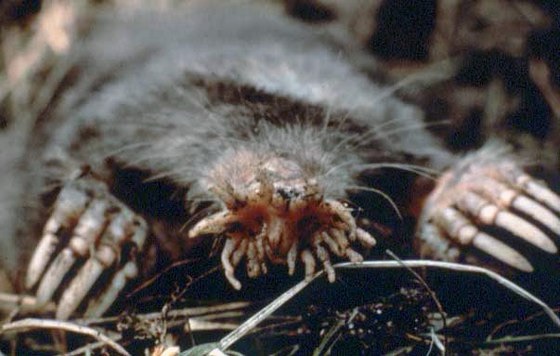
The Star-nosed Mole, with its 22 sensory appendages, is one of the most intriguing mammals in North America. This article explores its fascinating characteristics and ecological importance.
The Sensational Nose: An Evolutionary Innovation
Imagine a hidden world beneath the surface of the earth, where life astonishes with its complexity and peculiarity. The star-nosed mole, with its impressive 22 sensory appendages, is the true alchemist of this subterranean environment.
The Magic of the Appendages
Just as an artist has various brushes, the star-nosed mole uses its appendages with incredible skill. These members are not mere extensions of the nose, but true exploration organs that allow it to sense the world around. They are equipped with thousands of nerve endings, enabling a perception of the environment that goes far beyond any human. Consequently, each touch provides tactile information, almost as if the mole is constantly in a state of discovery. While foraging in moist, organic-rich soils, the mole can not only distinguish textures but also feel vibrations and detect the presence of prey moving from a distance. Thus, its appendages are vital instruments that allow not only for feeding but also for interaction with other beings in its habitat.
An Unmatched Sensory Experience
What makes this adaptation so fascinating is the uniqueness of the appendages. Almost mythological, they allow for silent communication with the surrounding environment. From foraging for food to detecting predators, the star-nosed mole’s appendages reveal an intelligent nervous system capable of transforming a simple act into a grand spectacle of interaction. Meanwhile, in other parts of the animal kingdom, we can find similar mechanisms, such as the keen senses of felines, which are also fascinating in their operation. Therefore, this adaptation not only illustrates the genius of evolution but also an intricate complicity among the creatures that inhabit our planet.
As we delve deeper into this fascinating journey, it becomes clear that the star-nosed mole is not just a curious being; it is a master of its art. Now, we have the opportunity to explore its habitat and behavior in the intriguing subterranean world.
Habitat and Behavior: The Subterranean World
Imagine yourself in a hidden world where sunlight never penetrates. This is the habitat of the star-nosed moles, a subterranean realm filled with mysteries and extraordinary adaptations. Living primarily in the forests and fields of North America, these fascinating creatures have carved out a unique niche, where their skillful digging gives them an unparalleled advantage in their environment.
Subterranean Structures
The star-nosed moles are true engineers of the soil. Their tunnels, which can extend for hundreds of meters, are not just simple passages. They are an intricate network, designed to maximize efficiency in the search for food and shelter. These structures vary in depth and complexity, reflecting adaptation to soil type and prey availability. In their cavities, the air is fresh and moist, ideal for their needs.
However, it is not only the structural environment that impresses but also the behavior of these small moles. They are nocturnal, venturing out to explore their domains in the quiet of night. Thanks to their acute tactile sense, their sensory nostrils allow them to identify small movements and odors in the soil, something essential for escaping predators or locating prey.
Interactions and Socialization
Although they are often solitary, one should not underestimate the complexity of the social relationships of star-nosed moles. During the mating season, they become more sociable, communicating through sounds and scents. Interactions are fundamental for the perpetuation of the species.
Thus, diving into this subterranean world, we witness not only the survival skills of these creatures but also a broader picture of how nature adapts and evolves. As we proceed, we will explore what awaits on their menu: a subterranean feast that reveals more about their diet and survival strategies.
Feeding: The Subterranean Feast
Have you ever imagined an unexplored banquet, where nutritious delights are hidden beneath the surface of the soil? The star-nosed mole lives precisely in this subterranean realm, where it feeds on an incredible variety of prey. This small mammal, with its extraordinary nose, springs into action, navigating through the darkness and moisture of the soil in search of hidden treasures. Its meticulously adapted brain, combined with a unique set of 22 sensory tentacles located on its snout, makes each meal a fascinating experience, whether hunting for worms, insects, or even gathering small crustaceans found in the soft earth.
The Art of Hunting
Often, the star-nosed mole does not simply feed; it is a true artist of capture. Thanks to its highly sensitive tentacles, which detect subtle differences in the environment, it can identify prey as it moves its snout in search of movement and vibration. Thus, when a worm or larva stirs, the mole immediately locates it, allowing it to consume up to 100 food items per hour. Indeed, its ability to find food reflects its remarkable adaptation to its environment.
A Feast of Diversity
Besides worms, its diet is surprisingly varied. This small mammal devours insects and even small vertebrates, a testament to the versatility of its feeding. Looking at this delicate subterranean ecosystem, it becomes evident that the star-nosed mole plays a crucial role in maintaining balance within the soil and thus supporting the health of the broader ecosystem. Therefore, every bite it takes is not just a matter of survival but also a vital action for the environment in which it lives.
As we explore the unique relationship between the star-nosed mole and its diverse diet, we are also led to understand the life cycle that unfolds after meals. The next stage of this journey will provide us with a glimpse of the challenges of reproduction and the raising of new generations, which are integral to the continuity of this charming mammal’s fascinating existence.
Reproduction and Life Cycle: New Generations
The star-nosed mole, with its fascinating appearance and enigmatic behavior, has a rich life history marked by unique challenges that shape its new generations. Observing these creatures reminds us of the fragility of life beneath the soil’s surface, where every movement is vital.
The Life Cycle
The life cycle of the star-nosed mole begins with mating, which typically occurs in spring. After a gestation period of about six weeks, the female gives birth to two to seven pups in a carefully constructed underground nest. Interestingly, these pups are born blind and completely dependent on their mother, requiring intensive care during their first months of life.
Challenges During Reproduction
While the female dedicates herself to nurturing her young, she faces significant challenges. Natural predators, such as foxes and birds of prey, threaten not only the mother but also the vulnerable pups. Additionally, the conditions of the subterranean environment can affect the humidity and temperature of the nest, directly impacting the survival of the newborns. With the decrease of habitats and soil fragmentation due to urbanization, these animals are increasingly at risk. Understanding these factors is essential for any conservation effort. Preserving the ecosystem where the star-nosed mole lives is therefore crucial to ensure that new generations can thrive and prosper.
After this intriguing journey through the lives of these small mammals, we will be ready to explore the importance of conservation and the efforts necessary to protect these unique inhabitants of nature.
Conservation and Future: Protecting the Star-nosed Mole
The star-nosed mole, with its unmatched snout and subterranean lifestyle, is a true wonder of nature. However, as we face a constantly changing world, its survival is threatened. Habitat degradation, uncontrolled urbanization, and climate change create challenges that can seriously affect the continuity of this fascinating species.
The Importance of Conservation
Understanding the ecological role of the star-nosed mole is crucial for its conservation. This burrowing mammal not only aerates the soil but also controls the population of subterranean insects, maintaining ecological balance. Therefore, protecting its habitats is essential for preserving biodiversity. The destruction of forests and the conversion of land for agricultural use are factors contributing to the decline of this incredible animal’s population, requiring immediate action.
Conservation Efforts and Future
To ensure the survival of the star-nosed mole, conservation efforts have been implemented in various regions. Environmental protection organizations work tirelessly to educate the public about the importance of this mammal. Additionally, habitat rehabilitation initiatives and population monitoring are vital. It is essential that more people understand the importance of biodiversity conservation and engage in sustainable practices. Ultimately, the survival of the star-nosed mole does not depend solely on scientists or conservationists but on each of us. Thus, as we reflect on the challenges faced by this incredible animal, we are led to think about our collective responsibility to protect all forms of life that share this planet with us. And as we delve into other fascinating aspects of nature, such as the uniqueness of the sacred lotus, it is essential to remember that the balance of the ecosystem depends on every living being.
Conclusions…
In summary, the star-nosed mole is a spectacular example of wildlife diversity. Its sensory nose not only makes it unique but also essential for its survival in the ecosystem. Protecting habitats and understanding the importance of these small mammals is fundamental for biodiversity preservation.
Did You Know?
- What is the main characteristic of the star-nosed mole? Its main characteristic is its nose composed of 22 star-shaped sensory appendages.
- Where does the star-nosed mole live? It is primarily found in areas of dense vegetation and moist soils, especially in the forests of eastern North America.
- What is the diet of the star-nosed mole? It mainly feeds on invertebrates, such as earthworms and insects, which it finds in the soil with its highly sensitive nose.
- How does the star-nosed mole use its nose? The mole’s nose is used to detect the movement of prey and to explore the soil, being a vital tool for its survival.
- Is the star-nosed mole a solitary animal? Yes, the star-nosed mole is generally solitary, except during the mating season.
- What is the conservation status of the star-nosed mole? Currently, the star-nosed mole is not threatened, but habitat destruction can affect its populations.
- What is the ecological importance of the star-nosed mole? It helps aerate the soil and control the population of invertebrates, playing a crucial role in the ecosystem.
- How many species of moles are there? There are several species of moles, but the star-nosed mole is one of the most well-known due to its unique characteristics.