Cave Orange Crocodile: A Fascinating Discovery
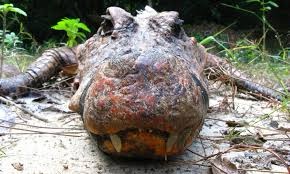
Recently found in the caves of Gabon, the Cave Orange Crocodile draws attention for its peculiar coloration. These crocodiles have adapted to a unique environment, revealing impressive aspects of the region’s biodiversity.
The Rediscovery of the Cave Orange Crocodile
In the heart of Gabon’s dense forests, a shy protagonist emerges from the shadows: the Cave Orange Crocodile, or Osteolaemus tetraspis. This reptile, often overshadowed by its more conventional cousins, is now the focus of an unusual and intriguing rediscovery that reveals not only its beauty but also the complexities of its subterranean existence. Amid a rich and imperceptible ecosystem, its presence evokes curiosity and respect for an environment whose fragility becomes increasingly apparent.
Significance of the Habitat
The habitat of the Cave Orange Crocodile is concentrated in cave systems, which are true ecological treasures. These grottos, saturated with moisture and darkness, offer a safe refuge against predators and climatic challenges. More importantly, these caves are nurseries of biodiversity. Here, microorganisms and lichens intertwine in a symbiosis that feeds a unique ecological network. The crocodile’s interaction with its habitat is not merely passive; it plays a crucial role in maintaining local balance. The inhabitants of the region, such as certain insects and fungi, find a home in this environment, and thus, the presence of the crocodile is synonymous with ecological health.
A New Tomorrow
The rediscovery of the Cave Orange Crocodile also brings an urgent sense of responsibility for conservation. As threats to ecosystems increase, preserving this magnificent animal and its habitat will become increasingly vital. Researchers and conservationists must join forces to ensure that Gabon’s subterranean treasures continue to thrive, allowing it and other inhabitants of this underground world to live in harmony. Therefore, it is essential not only to understand its role but also to combat the risks that could obliterate this wonder of nature.
The Coloration Phenomenon
Imagine a crocodile standing out in the humid darkness of the caves: the Cave Orange Crocodile, which, with its impressive coloration, intrigues scientists and nature lovers alike. This orange hue is not merely an aesthetic matter but rather a fascinating biological phenomenon, resulting from the interaction between the subterranean environment and the animal’s dietary habits.
The Origin of the Orange Color
Researchers believe that the color of the Cave Orange Crocodile comes from the ingestion of bat guano. This guano, a rich source of nutrients, contains natural pigments that accumulate in the crocodile’s tissues, resulting in its peculiar hue. Thus, as the crocodile feeds on carrion and other small animals, it absorbs these pigments, which not only gives it a distinct appearance but may also offer advantages in camouflage.
Impacts of the Coloration
Although this coloration may seem attractive, its implications go beyond aesthetics. Bat guano, rich in nitrogen and phosphorus, not only sustains the Cave Orange Crocodile but also plays a crucial role in the cave ecosystem. It is not uncommon for the presence of guano to contribute to the life of various species, creating a complex dynamic where the survival of one depends on another. This symbiotic relationship highlights the interconnectedness of the organisms inhabiting this dark and enigmatic environment. Therefore, as we contemplate the Cave Orange Crocodile, we are reminded that, in the natural realm, every color and shape has its purpose.
Characteristics and Behavior
In the shadow of the immense limestone rocks that house the Cave Orange Crocodile, we can observe fascinating behavior that reveals the complexity of this creature. This crocodile, Osteolaemus tetraspis, exhibits a life ritual that transforms the caves into its ideal environment.
Feeding
The feeding habits of the Cave Orange Crocodile are both intriguing and adaptive. With a predominantly carnivorous diet, this species consumes a variety of prey, including small mammals, fish, and birds. Amid the dark caves, they demonstrate cunning by ambushing themselves among the rocks, using their orange camouflage to surprise their victims. Additionally, their sense of hearing is highly developed, allowing them to detect the slightest movement in the water.
Reproduction and Daily Habits
During the breeding season, which occurs amid the humidity and warmth of the rains, males engage in territorial disputes characterized by impressive displays that include deep vocalizations. After mating, females build nests, carefully choosing strategic locations along the banks. Once the eggs hatch, mothers show great protection, guiding the hatchlings to the aquatic environment. Furthermore, the daily habits of the crocodile are marked by alternating periods of activity and rest, during which they take advantage of the light filtered through the caves to maintain their body temperature, a vital aspect for their proper functioning.
Thus, as we explore the characteristics and behaviors of the Cave Orange Crocodile, we are led to reflect on the intricate relationship between these creatures and the ecosystem that surrounds them. In the next chapter, we will delve into the relationship of the Cave Orange Crocodile with Gabon’s cave ecosystem and its interaction with other species, revealing even more secrets about this magnificent inhabitant of the shadows.
Relationship with the Ecosystem
In the dim light of Gabon’s caves, where life flourishes in an impressive spectacle of interactions, the Cave Orange Crocodile (Osteolaemus tetraspis) emerges as an intriguing and vital figure. This species, although small compared to its larger cousins, plays an indispensable role in the balance of its cavernous habitat. Its presence and behavior captivate not only for its distinct appearance but also for the impact it has on this peculiar ecosystem.
Predator and Prey: The Natural Balance
The Cave Orange Crocodile, with its surprising ability to camouflage among the shadows of rocks and aquatic vegetation, acts as a predator in its environment. It consumes fish, amphibians, and small invertebrates, directly contributing to the regulation of the populations of these species. Moreover, its feeding behavior impacts other food chains, generating a network of dependencies that sustains biodiversity. For example, the presence of this crocodile can influence the number of fish in a given channel, which in turn affects aquatic birds that rely on these fish as their primary food source.
Multifaceted Interactions and Community Culture
These interactions are not limited to predators and prey. The Cave Orange Crocodile shares its environment with a diversity of species, such as bats and insects, which play complementary roles in its ecology. The crocodile’s feces, rich in nutrients, serve as natural fertilizers for the soil, promoting the growth of plants that, in turn, attract other animals. This complex network underscores the importance of each creature and its contribution to maintaining the ecosystem. Therefore, protecting the habitat of the Cave Orange Crocodile is crucial for the preservation of the entire community that depends on it.
Thus, as we explore the fascinating relationship of the Cave Orange Crocodile with its ecosystem, we begin to understand the intricate tapestry of life that unfolds in Gabon’s caves. This understanding is vital, especially when considering the conservation issues that will follow.
Conservation and Future
In the heart of the remote caves, the Cave Orange Crocodile faces a silent battle for survival. In fact, this reptile, known as Osteolaemus tetraspis, is more than a biological curiosity; it is an indicator of the health of the subterranean ecosystems it inhabits. As its populations decline, the conservation of this crocodile becomes both an ecological and ethical imperative.
Challenges of Conservation
Habitat degradation, primarily due to human activities, is one of the greatest challenges the Cave Orange Crocodile currently faces. Excessive flooding and pollution of groundwater have direct impacts on its populations. Furthermore, improper exploitation of natural resources jeopardizes the delicate ecosystems that sustain this reptile’s life. For instance, mining projects near the caves have caused a sharp decline in water quality, resulting in direct threats to the species’ survival.
Importance of Habitat Protection
Protecting the habitat of the Cave Orange Crocodile is therefore crucial. Conservation initiatives, such as the creation of protected areas and environmental education programs, are essential to raise awareness about the importance of orange crocodiles and their ecosystems. Only through concerted efforts will it be possible to ensure that future generations can admire these fascinating creatures in their natural environment. Moreover, preserving their caves will also benefit other endemic species, promoting vibrant biological diversity. Here, the connection between the protection of the Cave Orange Crocodile and the health of the environment becomes undeniable.
In conclusion, the fight for the conservation of the Cave Orange Crocodile is not just about saving another species; it is about protecting the delicate balance of nature that sustains all life on Earth. Understanding these challenges is the first step toward building a sustainable future, where respect for biodiversity can thrive.
Conclusions…
The discovery of the Cave Orange Crocodile highlights the importance of preserving unique habitats and biodiversity. Its exotic coloration, resulting from interaction with the environment, is a clear example of how adaptations can occur under extreme conditions. Understanding these organisms not only enriches our knowledge of wildlife but also emphasizes the need to protect our tropical forests and caves. We conclude that each new discovery opens doors to a greater appreciation of nature and its infinite wonders.
Did you know?
- What is the origin of the name Cave Orange Crocodile? The orange coloration of the Cave Orange Crocodile is attributed to exposure to bat guano in the caves of Gabon.
- Is this crocodile a new species? The Cave Orange Crocodile is a variation of Osteolaemus tetraspis, known for its unique coloration due to the environment.
- What is the natural habitat of this crocodile? This crocodile inhabits caves and forested areas in Gabon, where bat guano influences its pigmentation.
- What does bat guano do to the crocodile? Bat guano, rich in nutrients, can alter the crocodile’s skin color, making it orange.
- How big is the Cave Orange Crocodile? The dwarf crocodile, including the orange variation, typically measures about 1 to 1.5 meters in length, being smaller than other crocodiles.
- Is this crocodile dangerous? Although it is a predator, the Cave Orange Crocodile is not considered a significant risk to humans due to its size and habitat.
- How do these crocodiles obtain food? They feed on small animals they find in their habitat, using the camouflage of their color to hunt.
- Why is conservation important for this species? The conservation of the Cave Orange Crocodile’s habitat is vital for its survival, as environmental changes can threaten its existence.