Mysterious Anglerfish: The Bioluminescent Lure in the Depths of the Ocean
In the depths of the ocean, the anglerfish uses a bioluminescent lure to attract its prey. This intriguing and adaptive behavior stands out as one of the most fascinating interactions in marine life.
The Fascinating Adaptation of Bioluminescence
In the dark depths of the ocean, where sunlight does not penetrate and silence reigns, anglerfish emerge as true artists of the natural spectacle. With an adaptation that fascinates scientists and curious minds alike, these extraordinary beings master the art of bioluminescence, a skill that not only enchants but also plays crucial roles in their survival.
The Light that Attracts and Defends
Bioluminescence, essentially a chemical reaction, occurs through the interaction between the protein luciferin and the enzyme luciferase. This combination generates light, allowing anglerfish to camouflage in the darkness and attract their prey. While remaining hidden, they emit a soft glow that simulates plankton or the bioluminescence of other organisms, creating an irresistible lure for curious invertebrates. Thus, the hunting strategy is intrinsically linked to their ability to generate light, highlighting the interconnection between defense and attack.
In addition to attracting their prey, anglerfish use their bioluminescence as a defense mechanism against predators. When threatened, they can emit a bright flash of light, disorienting attackers and allowing for an efficient escape.
An Intriguing Phenomenon
This fascinating phenomenon invites exploration into the impacts of bioluminescence on marine ecology. Scholars suggest that the ability to form and control light could provide clues about communication and social interaction among different species. As we venture deeper into the complex interactions of the marine environment, it becomes evident that the bioluminescence of anglerfish is a living dialectic between life and death, predator and prey. And so, in this vast and unexplored realm, light continues to fascinate, guiding us to the intricate hunting strategies that will unfold in the following pages.
Hunting Strategies in the Depths
In the dark depths of the ocean, where natural light is but a dream, a peculiar and fascinating predator stands out: the anglerfish. With its appearance that blends the grotesque and the sublime, this creature has developed remarkable hunting strategies that make it a master of ambush. When considering the complexity of its lifestyle, it immediately becomes clear that the tactics employed by anglerfish are as varied as the habitats they inhabit.
The Deception of Bioluminescence
One of the most intriguing aspects of the anglerfish is its ability to use bioluminescence as bait, attracting unsuspecting prey. While many marine organisms use light for communication or defense, the anglerfish cleverly applies it to capture food. The tip of its body, which glows softly, simulates small living beings, causing fish to approach without suspecting imminent danger. This technique, while relatively simple, is extremely effective, demonstrating the anglerfish’s skill in manipulating its environment.
Strategies of Patience and Ambush
Patience is a virtue that the anglerfish employs masterfully. It camouflages itself on the ocean floor, blending in with the debris and corals around it. This practice helps it remain invisible to its prey. When a curious fish approaches, it is then that the anglerfish reveals its true nature; with a quick and precise movement, it captures its meal. This ambush approach maximizes its chances of success, allowing a seemingly slow and clumsy predator to transform into a deadly hunter.
Thus, through clever bait tactics and sharpened patience, the anglerfish remains a fascinating example of marine biodiversity. Its predatory interactions offer a window into understanding a world where survival depends on ingenious adaptations. As we explore the intricate lives of these beings, we come closer to understanding their habits and behaviors, which will lead us to the next chapter.
Habits and Behaviors of Anglerfish
When we venture into the depths of the ocean, we encounter creatures with peculiar appearances and fascinating behaviors. One of the most intriguing inhabitants of this realm is the anglerfish. Equipped with unique adaptations, this fish is a master of disguise and silence, characteristics that are crucial for its survival in this hostile environment.
Behaviors and Hunting Strategies
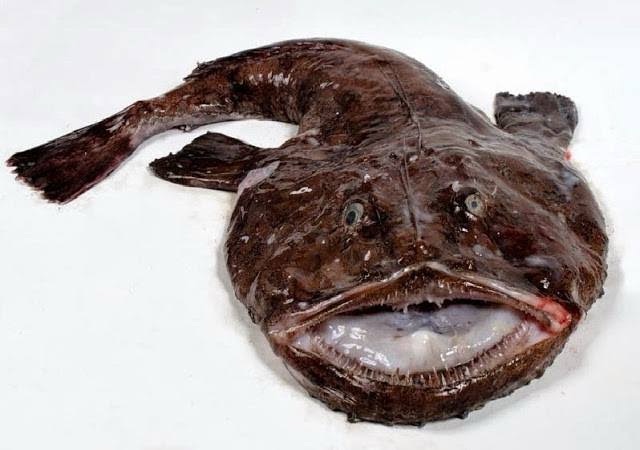
Anglerfish are known for their ability to camouflage amidst the ocean floor. Using their fins as feet, they slowly drag themselves, almost as if they were small rocks or pieces of coral. This camouflage is not only for protection from predators but also an important strategy when capturing their prey. With a luminous lure on their heads, they attract other fish, which, as they approach, are quickly swallowed.
Reproduction and Social Life
The reproduction of anglerfish is a spectacle in itself. During the mating season, males emit vibrating sounds to attract females. The parents also display collaborative behavior, where the male cares for the fertilized eggs, which are found in safe areas on the ocean floor. This form of parental care is relatively rare among fish and highlights the complexity of their social life. Nevertheless, although solitary most of the time, they may occasionally gather to mate, demonstrating that even in the depths, connection is part of the cycle of life.
As we explore the lives of anglerfish, we discover that they are much more than strange creatures; they are impressive examples of adaptation and evolution in the depths of the ocean. From these fascinating interactions, we prepare to understand how the presence of this species impacts the ecosystem in which it lives and how each element contributes to the balance of the sea.
The Marine Ecosystem and the Anglerfish
In the vastness of the oceans, where sunlight barely touches the depths, there exists the intriguing anglerfish. Equipped with a peculiar body and the surprising ability of bioluminescence, this fascinating being inhabits an environment where every detail is vital to its survival and the dynamics of the marine ecosystem. The presence of the anglerfish is not only a wonder of nature but also an important link in the web of life that extends through its dark and mysterious waters.
Indispensable Interactions
Throughout their existence, anglerfish develop complex relationships with a variety of marine organisms. Fundamental to predation, they attract prey using their luminous lures, which dangle from their heads like an irresistible invitation for small fish and crustaceans. This method not only ensures their own survival but also regulates prey populations, playing a crucial role in maintaining ecological balance.
Moreover, they serve as food for larger predators, such as various types of fish and even sharks. Thus, the interaction between these anglerfish and their predators ensures that the food chain remains intact, sustaining the flow of energy in the ecosystem.
An Interconnected Life Cycle
The life cycle of the anglerfish is intrinsically linked to the environment surrounding it. Their reproductive practices, which occur at night under the dim light of bioluminescence, also influence the activity of other marine species. During these times, other organisms, such as shrimp and squids, become more active, increasing competition for food. The presence of the anglerfish, therefore, goes beyond its uniqueness; it weaves a complex network of interactions that underscores the beauty and fragility of the marine ecosystem. Thus, every creature, no matter how small, plays a vital role, reminding us of the importance of protecting our oceans.
In the next chapter, we will explore the conservation challenges that the anglerfish faces amid climate change and human exploitation, reflecting on how its deep interactions with the ecosystem may be affected by these threats.
Conservation and Challenges for the Anglerfish
In the depths of the oceans, where sunlight barely penetrates, the anglerfish resides. This curious being stands out not only for its peculiar appearance but also for its ability to attract prey through bioluminescence. However, behind its enigmatic beauty lies an alarming reality: the conservation of this species is becoming increasingly critical.
Climate Change: A Silent Threat
Climate change is altering the balance of marine ecosystems. Rising water temperatures and ocean acidification directly impact the habitat of the anglerfish. As coral reefs, essential for marine life, degrade, biodiversity diminishes. Thus, the anglerfish finds its food resources compromised. Consequently, its survival and the future of the species become uncertain.
Ocean Exploitation: An Immediate Risk
Commercial exploitation of the oceans also puts the anglerfish at risk. Large-scale fishing, without proper regulation, destroys critical habitats and reduces the population of various marine species. Moreover, pollution and contamination resulting from human activities compromise the health of the seas. Anglerfish, like many other marine organisms, are not immune to these devastating effects. Therefore, it is imperative that conservation initiatives be implemented. This ensures not only the protection of the anglerfish but also the preservation of the entire delicate oceanic ecosystem that harbors immeasurable biodiversity. The interconnectedness among marine species is an undeniable reality. Only through collective efforts can we secure a worthy future for the inhabitants of the depths.
With this in mind, we now turn to the fascinating story of the Bat Flower, another wonder of nature facing its own challenges in the struggle for survival.
Conclusions…
The anglerfish is an impressive example of the diversity and adaptability of marine life. Its hunting strategy, using a bioluminescent lure, not only makes it a formidable predator but also a fascinating subject of study for scientists. By exploring more about these extraordinary creatures, we can better understand marine ecosystems and the importance of species preservation. Thus, curiosity about the anglerfish reminds us that there is still much to learn about the ocean and its wonders.
Did You Know?
What is an anglerfish?
The anglerfish is a type of bottom-dwelling fish that has a unique adaptation: a bioluminescent lure it uses to attract prey.
How does the anglerfish’s bioluminescent lure work?
The bioluminescent lure emits light, attracting small organisms and other fish, facilitating the capture of prey.
Where are anglerfish found?
These fish generally inhabit the depths of the ocean, in dark and high-pressure environments.
Do all anglerfish have bioluminescent lures?
No, not all anglerfish have bioluminescent lures, but many use this hunting strategy.
Are anglerfish poisonous?
Some species of anglerfish may have venomous spines, which serve as defense against predators.
What is the size of anglerfish?
The size of anglerfish can vary significantly, but most species measure between 10 and 30 cm in length.
What is the ideal habitat for anglerfish?
Anglerfish prefer deep marine environments, such as ocean valleys and sandy or muddy bottoms.
How do anglerfish help the ecosystem?
Anglerfish play an important role in the food chain, controlling prey populations and contributing to the balance of the ecosystem.