The Fascinating World of the Golden Tortoise Beetle
The golden tortoise beetle is a marvel of nature. This small insect has the unique ability to change color, reflecting its emotional state. In this article, we will explore the reasons behind this fascinating phenomenon and its significance in the animal kingdom.
The Biology of the Golden Tortoise Beetle
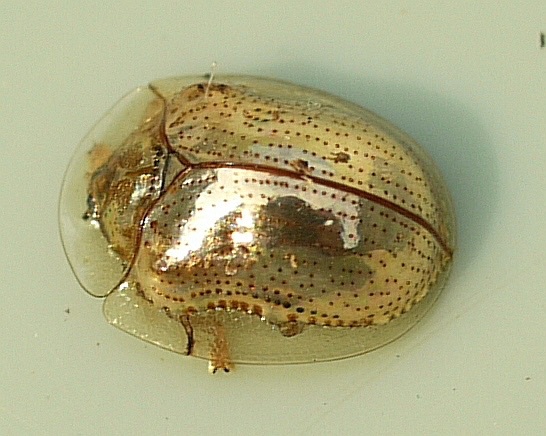
Imagine a tiny being that carries the beauty of the sun, as if each ray of light were reflected on its body. This is the golden tortoise beetle (Charidotella sexpunctata), a wonder of nature that captivates not only with its shine but also with its fascinating biological adaptations. This delicate insect, found in flowering fields and gardens, belongs to the family Chrysomelidae. Each specimen has a hard, shiny shell that, besides being a protection, plays a vital role in its communication and interaction with the environment.
Physical Characteristics and Color Change
The physical characteristics of the golden tortoise beetle are intriguing. Its golden coloration results from a combination of microphysical structure and chemical compounds that alter light perception. When exposed to light, the beetle’s body reflects and refracts sunlight, creating different shades of gold that can oscillate between lighter and darker hues. These color changes serve not only to impress but also to confuse predators, becoming a form of camouflage in this vibrant ecology.
Behavior and Habitat
Regarding behavior, golden tortoise beetles are known for their relatively calm and solitary nature. They are predominantly herbivorous, feeding on foliage and flowers. The ideal habitat for these beetles is diverse, encompassing open areas and flowering lawns where food availability is abundant. Observing them in action can be a delight, as their movement is slow and meticulous, reflecting the tranquility of their vibrant world. As we venture deeper into the emotional nuances of this spectacular beetle, we notice that its wonderful color is not just for dazzling; it is a vital communication link in the animal kingdom. Let us stay tuned, for in the next stage of our exploration, we will discover how its chromatic splendor serves to express emotions and interact with other beings of the same realm.
Emotions and Communication Through Colors
Imagine a golden glow, shimmering under the sunlight. This is the golden tortoise beetle (Charidotella sexpunctata), which not only impresses with its beauty but also communicates through fascinating colors. This tiny insect uses subtle changes in hue as a complex language, revealing its emotions and intentions to its peers.
Colors as Messengers
The colors of the beetle are not mere aesthetic circumstances. They play a crucial role in social interactions. Studies show that in situations of stress or danger, the beetle tends to adopt a more vibrant coloration as a warning signal to other individuals of the species. This ability to change color is a testament to how deeply connected this insect is with its environment. During mating situations, for example, its colors become more intense, attracting potential partners.
Emotional Impact on Humans
Beyond interactions among beetles, the colors of insects also affect human behavior. Research suggests that color perception can influence our emotions. The enchantment generated by the splendor of a golden tortoise beetle can evoke feelings of joy and admiration in people. This visual and emotional connection may be a factor in the growing interest in insects across various sciences, such as biology and ecology. Therefore, every vibrant color we see is not just a visual spectacle; it is a window into the emotional world of beetles that, so subtly, communicates its stories to us. Thus, in this admirable universe of colors, a new narrative begins about survival and communication between species. In the next chapter, we will delve deeper into how these remarkable creatures use their colors not only to communicate but also as an effective defense strategy against predators.
Predation and Defense Strategies
In a world filled with predators, the survival of the golden tortoise beetle (Charidotella sexpunctata) depends on its impressive defense strategies. Upon spotting a predator, these small beings often resort to a surprising resource: color change. This ability is not just a form of disguise but an evolutionary adaptation that provides a level of security in an environment full of threats. The beetles can tone their golden coloration or darken depending on their habitat, helping them blend in with the surrounding vegetation.
In addition to color change, this remarkable beetle employs other camouflage tactics. When threatened, it can adopt a posture that mimics the appearance of an inanimate object, such as a leaf. This imitation, combined with its reflective coloration, discourages many predators, who see it as merely a decoration of nature. The shadows cast by its body also help it camouflage among leaves and stems, a fascinating spectacle of adaptation in nature.
When we compare the golden tortoise beetle with other insects, we find equally intriguing examples. For instance, many grasshoppers protect themselves by changing skin texture or using patterns that blend with the environment. Additionally, some butterflies use bright colors not only to attract mates but also to signal their unpleasant taste. These comparisons highlight the incredible variety of defensive strategies in the insect kingdom. As we can observe, the cunning of the golden tortoise beetle not only enchants but also teaches us about the complexity of evolutionary adaptations. This dive into defense strategies prepares us to understand the external threats that this beetle faces in its habitat, a theme that will be explored in the next chapter.
The Environmental Impact on the Golden Tortoise Beetle
Like a small treasure resting on leaves, the golden tortoise beetle (Charidotella sexpunctata) dazzles with its golden shine. However, behind its magnificent appearance lies a story of vulnerability in the face of environmental changes. The delicate balance of its natural habitats faces unimaginable threats, resulting in a profound impact on the population of these remarkable creatures.
Habitat Loss
As urbanization and agriculture expand, the habitats of the golden tortoise beetle are being drastically fragmented. Initially, the forests and open areas where they thrive have been converted into farmland and urban areas. This process not only reduces food availability but also affects reproduction. Thus, many beetles are forced to migrate in search of new homes, tragically often without success.
Pollution and Climate Change
In addition to habitat loss, pollution directly impacts the health of these insects. Insecticides and chemicals used in agriculture permeate delicate ecosystems, harming the well-being of the beetles. Meanwhile, climate change causes variations in temperature and humidity in the environment, drastically altering the living patterns of the golden tortoise beetle. Rising temperatures, for example, can affect the availability of food resources, creating a hostile scenario for the survival of this species. Thus, the challenges posed by the rapidly changing environment cannot be underestimated. While the golden tortoise beetle glides over green leaves, it also navigates a changing world. As we contemplate its beauty, let us remember the responsibility we have to protect its future.
Conservation and the Future of the Golden Tortoise Beetle
The radiant beauty of the golden tortoise beetle (Charidotella sexpunctata) is undoubtedly a testament to the richness and complexity of life on the planet. However, this fascinating creature faces threats that could compromise its existence. For this reason, conservation initiatives are becoming increasingly crucial.
The Importance of Conservation
These beetles play fundamental roles in the ecosystems they inhabit, acting as pollinators and part of the food chain. Therefore, their preservation is not just a matter of protecting a beautiful species but a vital effort to ensure the health of the entire ecosystem. Every small insect contributes to the web of life, and without them, the natural balance can become fragile. Furthermore, preserving the habitat where these insects live is essential. Initiatives aimed at restoring degraded areas, for example, have the potential to recover the environments in which the golden tortoise beetle thrives. Awareness of the importance of the environment should be a collective priority.
How to Help with Conservation
Anyone can contribute to the conservation of the golden tortoise beetle. Environmental education is a fundamental step; understanding the importance of these insects helps promote actions in favor of preservation. Volunteer projects and support for NGOs working on ecosystem conservation are excellent ways to engage actively. It is also essential to reduce pesticide use and opt for sustainable agricultural practices. By joining efforts in the name of nature, we can ensure a safe future for the golden tortoise beetle and thousands of other fascinating species. Preservation is a collective responsibility, and every small action can have a significant impact.
Conclusions…
The golden tortoise beetle presents a remarkable example of how intriguing nature can be. Its ability to change color is not just an aesthetic matter but a form of communication and adaptation to the environment. This phenomenon teaches us about the complexity of animal life and how even insects have sophisticated ways of interacting with the world around them. Understanding the behavior of beings like Charidotella sexpunctata allows us to celebrate biodiversity and deepen our respect for all forms of life.
Did you know?
- What causes the color change in the golden tortoise beetle? The color change is triggered by emotions and disturbances, aiding in communication and protection against predators.
- What colors can the golden tortoise beetle assume? This beetle can vary between shades of gold, green, and even blue, depending on its mood and alertness.
- How do tortoise beetles defend themselves against predators? Besides color change, they can adopt defensive postures and camouflage themselves in their environment.
- What is the habitat of the golden tortoise beetle? This beetle is commonly found in areas of dense vegetation and gardens, where it can easily hide.
- What is the typical size of this beetle? The golden tortoise beetle typically measures between 5 to 8 millimeters in length.
- Is the beetle considered an endangered species? For now, the golden tortoise beetle is not classified as endangered, but habitat loss can impact its population.
- How can we help preserve these beetles? Preserving their natural habitat, avoiding excessive pesticide use, and promoting biodiversity-friendly gardens are important steps.
- Does the color change have any significance in popular culture? Yes, many see the golden tortoise beetle as a symbol of change and transformation due to its ability to alter its colors.