Glasswing Butterfly: The Charm of Invisibility in Nature
The glasswing butterfly (Greta oto) is a spectacle of nature with its transparent wings that provide protection against predators. Its presence in the tropical forests of Central America highlights the rich biodiversity and the incredible adaptation of living beings.
Beauty and Camouflage: The Characteristics of Greta oto
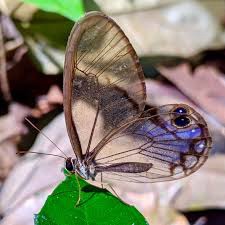
In a world where beauty often shines in contrast to subtlety, the glasswing butterfly (Greta oto) stands out as a masterpiece of nature that defies conventions. With its almost transparent wings, this fascinating creature sneaks among the lush leaves of tropical forests, revealing the magnificence of camouflage in its purest form. Watching it in flight is like witnessing a dream unfold; it almost seems to float, merging with the vegetation in a majestic charm.
The wings of Greta oto, measuring up to 6 centimeters in wingspan, are its most striking feature. Unlike traditional butterflies, its wings are not covered in colorful scales but are composed of a delicate membrane that reflects light in a way that makes its body almost invisible. This remarkable adaptation allows the butterfly to escape from lurking predators in its habitat. What the leaves and flowers lack in vibrant colors, this butterfly compensates with its ability to hide.
Beyond transparency, the structure of the wings is incredibly intricate. In other insects, you may observe symmetry and bright colors, but in Greta oto, what stands out is the subtle shape and the ability to mimic. When it closes its wings, for example, the shiny edges of its wings present themselves, creating a contrast that often attracts the observer’s attention compared to the background of camouflage present. This refers to how ecological diversity can create such unique species as this.
The beauty of Greta oto lies not only in its physical appearance but also in the profound interaction it has with its ecosystem. As we explore the habitat of this delicate butterfly in the following pages, we will realize how its unique characteristics make it not only a survivor but also a vital link in its ecological network.
The Habitat and Ecology of the Glasswing Butterfly
Imagine an artist whose brushstrokes are invisible, creating patterns of beauty that seem to float in the air. This is the glasswing butterfly, or Greta oto, an ethereal being that inhabits the tropical forests of Central and South America. Its almost ghostly presence has enchanted nature observers, but the fascination is not limited to its appearance. In this chapter, we will explore the environment where this magnificent butterfly resides and how it interacts with the ecosystem in which it is embedded.
Tropical Forests: The Refuge of Greta oto
The glasswing butterfly is predominantly found in humid tropical forests, where sunlight timidly penetrates through the tree canopies. These forests offer an ideal microclimate, filled with humidity and mild temperatures, conditions that favor the life cycle of this butterfly. Therefore, the presence of various plants like nettles, which serve as larvae, is essential for its survival.
The tree canopy, rich in biodiversity, provides shelter and food. Additionally, the interaction of the glasswing butterfly with its habitat is complex. It not only feeds on nectar but also participates in the pollination of various plant species, forming a vital ecological network.
Ecological Interactions and Survival
Glasswing butterflies are a remarkable example of adaptation. Their translucent coloration not only makes them difficult to detect for predators but also plays a crucial role in their reproduction. Males, while displaying in full flight, attract females through complex dances.
Thus, Greta oto, with its ethereal beauty and subtle adaptations, is a testament to the complex tapestry of life in tropical forests. Understanding its habitat and ecology is fundamental for the conservation of not only this incredible species but the entire ecosystem it represents. As we continue our journey, we will enter the fascinating world of the feeding and behavior of the glasswing butterfly, where its adaptations continue to surprise.
Feeding and Behavior
As we traverse the dense tropical forests of Central and South America, we encounter the fascinating glasswing butterfly, Greta oto. Amid majestic trees and lush biodiversity, this exceptional creature stands out not only for its ethereal beauty but also for its remarkable adaptation to the environment. The feeding habits of the glasswing butterfly reveal much about nature’s ability to shape and transform living beings for survival.
Diet and Food Selection
Greta oto, like many other inhabitants of tropical forests, is a nectar seeker. However, its peculiar palate is not restricted to just any flower. The butterfly prefers to feed on the sweet nectars of plants from the Rutaceae family. This choice is not merely a matter of taste but an evolutionary strategy. By opting for plants that often contain chemicals that deter predators, the butterfly protects itself, thus practicing the art of invisibility in the struggle for survival.
Feeding Behavior and Social Interaction
In addition to its food preferences, the social behavior of Greta oto also surprises us. On several occasions, groups of butterflies can be observed feeding together. This collective behavior is not mere coincidence; the presence of multiple butterflies in the same locations can increase foraging efficiency. This tactic, in turn, activates a synergy that can benefit the entire colony, reflecting the intricate ecological balance in which these creatures are embedded. Thus, the fascinating world of the glasswing butterfly, where nectar becomes a means of survival and companionship a factor of protection, deeply connects us to ideas about how nature fosters complex and interdependent relationships. As we explore the reproductive phases and life cycle of Greta oto, we will perceive different aspects of this continuous journey through life.
Reproduction and Life Cycle
Like a miracle of nature unfolding before our eyes, the story of the glasswing butterfly (Greta oto) begins surprisingly, with the fertilization of the eggs. This initial phase is just the beginning of a fascinating and delicate journey.
The Egg Stage and Hatching
The eggs of the glasswing butterfly are delicately laid on the leaves of specific plants, such as Urtica. This habitat is crucial, as the larvae need to feed on the plant. After about one to two weeks, the eggs hatch, giving rise to small caterpillars that unleash a voracious appetite.
The Development from Larva to Adult
As the larvae feed, they undergo several molts, shedding their skin to accommodate their growth. This process can last up to six weeks. Finally, the larva prepares for metamorphosis. In a vulnerable state, it hangs and forms a chrysalis. Within this protective armor, a magical change occurs. Over ten days, what was once a larva transforms into a magnificent butterfly. The adult phase emerges, revealing its transparent wings that almost seem invisible under the sunlight. Thus, the cycle of the glasswing butterfly encapsulates the beauty and fragility of wildlife. Now, as this cycle completes, we must consider the threats that endanger the survival of this enchanting species. To better understand, we will explore the complex interactions between Greta oto and its habitat in the following sections.
Conservation and Threats
Like smoke dissipating in the wind, the vulnerability of the glasswing butterfly is an alarming reality. Greta oto, known for its ethereal and almost magical appearance, faces significant threats due to habitat destruction and changing climatic conditions. This chapter delves into the adversities that this incredible creature must face, revealing the various layers of fragility surrounding its existence.
Direct Threats to Habitat
The tropical forests of Central America, where Greta oto resides, are constantly threatened by deforestation, unsustainable agricultural practices, and urbanization. This human imposition transforms intricate ecosystems into ecological deserts. As their environments fragment, butterflies lose not only places to live but also essential resources, such as food and breeding sites.
The Influence of Climate Change
In addition to direct threats, climate change plays a devastating role. Rising temperatures and changes in precipitation patterns affect the availability of nectar in flowers, reducing the food sources for butterflies. Greta oto, with its delicate life cycle and high dependence on a specific habitat, becomes even more vulnerable. Without a concerted effort to preserve its ecosystem, these unsettling changes could result in the extinction of one of nature’s most beautiful manifestations.
Consequently, the conservation of Greta oto is not just a matter of saving a species but a call to protect a delicate balance of nature. This mission requires the involvement of all, as what is at stake is the very essence of biodiversity. Therefore, as we understand the beauty and threats surrounding this butterfly, we take on the responsibility to act and preserve what remains of its enchanted habitat.
Conclusions…
The glasswing butterfly is not just a visual beauty but also a remarkable example of how evolution and adaptation can shape the characteristics of a species. Its ability to camouflage in tropical environments not only protects it from predators but also places it within a vibrant and vital ecosystem. Preserving the habitat of tropical forests is crucial to ensuring the continuity of species like Greta oto and the biodiversity it represents. Appreciating and protecting these natural wonders is essential for the health of our planet.
Did You Know?
What is the glasswing butterfly?
The glasswing butterfly (Greta oto) is a species known for its transparent wings that make it practically invisible to predators.
Where is the glasswing butterfly found?
This butterfly is primarily found in the tropical forests of Central America.
How do the transparent wings help Greta oto?
The transparent wings provide camouflage, reducing visibility to predators.
What is the importance of conserving Greta oto?
The conservation of Greta oto helps maintain biodiversity and the health of the tropical ecosystems where it lives.
Is Greta oto endangered?
Currently, Greta oto is not considered endangered, but habitat destruction is a concern.
What are the notable characteristics of Greta oto?
In addition to its transparent wings, glasswing butterflies have a nocturnal lifestyle and feed on the nectar of various flowers.
How does Greta oto feed?
Greta oto primarily feeds on the nectar of flowers and is particularly attracted to yellow and white flowering plants.
What is the life cycle of the glasswing butterfly?
The life cycle of Greta oto goes through stages of egg, larva, pupa, and adult, with each phase having its characteristics and peculiarities.