Death’s-Head Hawkmoth: Myths and Legacies of Acherontia atropos
The Death’s-head Hawkmoth (Acherontia atropos) is a fascinating presence in culture and mythology. Its unique skull-shaped pattern evokes mystery and superstition, becoming an intriguing symbol in various traditions. This article explores these aspects and how nature inspires myth and fear.
The Fascination of the Death’s-head Hawkmoth
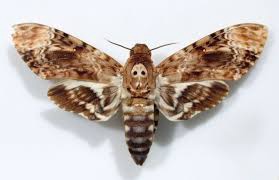
As we delve into the intrigues of nature, we encounter one of the most enigmatic creatures in the insect kingdom: the Death’s-head Hawkmoth, or Acherontia atropos. This insect, which can be seen as a symbol of transformation, fascinates with its complex beauty and unique characteristics that distinguish it from the vast diversity of fauna. Its varied coloration, featuring a mix of green, yellow, and brown tones, makes it almost hypnotic, while its distinctive skull pattern on its hindwings leaves a lasting impression, awakening both curiosity and fear.
Impressive Appearance
The Death’s-head Hawkmoth is one of the largest moths in the world, reaching up to 15 centimeters in wingspan. Its robust structure and large wings make it an admirable nocturnal hunter. Moreover, the underside of its wings displays a unique pattern resembling a skull; this design serves as a defense mechanism, deterring predators by evoking a powerful message: death. When at rest, the moth camouflages itself among leaves, becoming virtually invisible in its natural habitat.
Fascinating Biology
Regarding its biology, Acherontia atropos is equally intriguing. Adults are attracted to light due to their nocturnal behavior, and as larvae, they feed on toxic plants, such as belladonna. This dietary choice not only sustains their growth but also enriches their bodies with chemical compounds that make them unpalatable to predators. Furthermore, their metamorphosis—from egg to larva, then pupa, and finally adult—illustrates a life cycle that symbolizes renewal and transformation, further reinforcing the fascination this creature exerts on all who encounter it. Now, as we explore the cultures that interact with the Death’s-head Hawkmoth, we see a reflection of the myths and superstitions surrounding this remarkable creature, diving deeply into its intriguing legacy.
Ancient Beliefs and Superstitions
The Death’s-head Hawkmoth, or Acherontia atropos, has captivated human imagination for centuries. With its markings reminiscent of a skull, this creature evokes both fascination and fear. Since ancient times, it has become a symbol associated with death and the unknown, and these deep connotations reflect the beliefs and superstitions of various cultures around the world.
Symbolism of Darkness and Rebirth
In European tradition, the Death’s-head Hawkmoth is considered an ill omen, often related to death and mourning. People believed that its presence heralded the arrival of evil spirits. Thus, the ancients often avoided areas where these moths were seen. In contrast, some Indigenous cultures in North America viewed this moth as a spiritual guide. For them, its ability to traverse the worlds of life and death symbolized transformation and rebirth.
Myths and Legends Around the World
The Death’s-head Hawkmoth also features in African legends, where it is associated with the souls of ancestors. In various African cultures, the appearance of this insect is believed to be a warning or an invitation to honor the dead. Each account carries elements of wisdom and caution, forming a rich web of meanings that unites superstition and reality. Thus, the moth becomes not just an insect but a bridge between different worlds and meanings. As we explore the mystical universe of Acherontia atropos, we realize that this moth represents much more than its peculiar appearance. Now, let us move forward to understand its vital role in nature and the ecosystem it inhabits.
The Moth and Nature
Emerging, shrouded in mystery and charm, the Death’s-head Hawkmoth, Acherontia atropos, is not just an imposing shadow in the darkness but also plays a vital role in our ecosystem. Although often associated with myths and superstitions, the moth offers invaluable benefits that go beyond its intriguing appearance.
Silent Pollination
The Death’s-head Hawkmoth, while not as renowned as bees, is an effective pollinator. By visiting flowers in search of nectar, it inadvertently transports pollen, contributing to the reproduction of various plants. This act of pollination is especially important in ecosystems where biodiversity depends on interactions between species. Thus, the moth not only feeds but also promotes the health of its environment, being a fundamental piece of the ecological puzzle.
Interconnections in the Ecosystem
Moreover, the larva of Acherontia atropos, which feeds on plants like potatoes and tomatoes, acts as a natural pest controller. Feeding on vegetables provides essential balance, contributing to ecological stability. As such, each Death’s-head Hawkmoth becomes a link in a complex chain. Its presence indicates a vibrant and healthy ecosystem, where the coexistence of species is the norm. Therefore, even in its enigmatic appearance, the Death’s-head Hawkmoth is a symbol of an interconnected and delicate system.
In the end, as we appreciate the beauty of the Death’s-head Hawkmoth, we are reminded that even the most unusual beings have their importance in the grand cycle of life. Thus, after exploring the moth’s relationship with nature, we are led to reflect on its representations in symbolism and art, which surround us and awaken our imagination.
Symbolism and Art
When the moonlight hides behind the clouds and darkness envelops the world, the Death’s-head Hawkmoth (Acherontia atropos) emerges. Its presence, with markings resembling a skull, evokes both fascination and fear. This unique creature is not just an insect; it is a symbol of transformation and death, permeating art and literature throughout the centuries.
Artistic Representations
In the world of art, the Death’s-head Hawkmoth appears as a mythical figure. From painting to sculpture, it symbolizes the fragility of life and the inevitability of death. Artists like Salvador Dali featured the moth in their works, using it to explore themes of transformation and the human subconscious. In this way, it transcends its biology and becomes a rich metaphor, reflecting the duality between beauty and mortality.
Literature and Mythology
Beyond art, the Death’s-head Hawkmoth finds its place in various literary texts. Writers like H.P. Lovecraft used it as a symbol of the supernatural, imbuing the moth with profound mysticism. Thus, the creature also becomes a bridge between the known and the unknown. Its presence in horror stories and fiction is a constant reminder of what lies beyond life and the importance of confronting our fears. Therefore, the Death’s-head Hawkmoth is not just a visual representation but also an idea that provokes reflection on the human condition. As we explore the cultural impact of this exceptional moth, we realize that it is more than a symbol of death. Instead, it invites us to understand the complexities of life, paving the way for discussions that extend into the modern era, where its implications continue to resonate.
The Death’s-head Hawkmoth in the Modern Era
As we contemplate the night sky, where moonlight casts dancing shadows, few remember the enigmatic Death’s-head Hawkmoth (Acherontia atropos). However, this creature is not just a visual spectacle but also a profound symbol that resonates in human traditions and beliefs. In this chapter, we will explore the relevance of this moth in modern society and how it is perceived in different cultures.
Symbolism and Meaning
Historically, the Death’s-head Hawkmoth has been associated with death and the beyond. Its name, derived from Greek, evokes the name of Acheron, one of the rivers of the underworld in Greek mythology. Thus, it is fascinating to note how it still carries these dark associations, but at the same time, it also symbolizes transformation and rebirth. In various Western cultures, the moth is seen as a spiritual guide. Symbolism experts point out that its life cycle, which includes the metamorphosis from larva to winged being, reflects the journey of life and the changes we all face.
The Death’s-head Hawkmoth in Art and Pop Culture
In contemporary times, the Death’s-head Hawkmoth has also found its place in art and pop culture. Artists and designers often use it to convey messages about duality, life, and death. For example, in various works, the image of the moth is intertwined with skeletal elements, creating a unique visualization that mesmerizes and provokes reflection. This elevation of the moth to a cultural icon demonstrates its power to evoke emotions and spark conversations.
In conclusion, the Death’s-head Hawkmoth is not just a creature of exotic beauty but also a powerful symbol that continues to influence and inspire modern society. Therefore, as we gaze at the delicate wings of this moth in the moonlight, we are reminded of our own mortality and the inherent beauty of transformation. Thus, as we prepare for the next chapter, where we will explore the beauty and camouflage of another fascinating species, it is essential to admire the interconnectedness that exists among all creatures in our vast ecosystem.
Conclusions…
In summary, the Death’s-head Hawkmoth (Acherontia atropos) represents more than a curious insect; it is a catalyst for myths and superstitions that permeate human history. Throughout this article, we explored not only its unique characteristics but also the rich narratives that arise from its presence. This symbiotic relationship between nature and culture teaches us that even the creatures we fear the most can have a profound and valuable meaning.
Did You Know?
What is the Death’s-head Hawkmoth?
The Death’s-head Hawkmoth, or Acherontia atropos, is a species of moth known for its skull-shaped pattern.
Why is the Death’s-head Hawkmoth associated with myths?
Its wing pattern exudes symbols of death and transformation, leading to associations with various superstitions.
Which cultures have myths about the Death’s-head Hawkmoth?
Cultures such as Egyptian and European have narratives connecting the moth to concepts of death and rebirth.
What is the ecological importance of the Death’s-head Hawkmoth?
Besides its cultural connotations, Acherontia atropos plays a role in the ecosystem as a pollinator.
How does the appearance of the Death’s-head Hawkmoth influence its perception?
Its skull-like pattern can provoke fear but also fascination, capturing the imagination of many.
Is the Death’s-head Hawkmoth poisonous?
No, Acherontia atropos is not poisonous but has natural defenses that protect it from predators.
Where is the Death’s-head Hawkmoth found?
The Death’s-head Hawkmoth is widely distributed in Europe, Africa, and parts of Asia.
What can we learn from the myths about the Death’s-head Hawkmoth?
The myths teach us about different perceptions of mortality and how nature shapes our beliefs.