The Fascinating Carpenter Bee (Xylocopa spp.): Guardian of Nature
Carpenter bees play a crucial role in pollination, differing from common bees by being solitary and boring into wood. Understanding their life cycle is essential.
Characteristics of the Carpenter Bee
Among the wonders inhabiting our ecosystems, the carpenter bee (Xylocopa spp.) stands out with its imposing presence and fascinating behavior. With its robust dimensions and vivid coloration, this intriguing species is not just a simple pollinator. It is a true symbol of resilience and beauty in nature.
Physical Characteristics
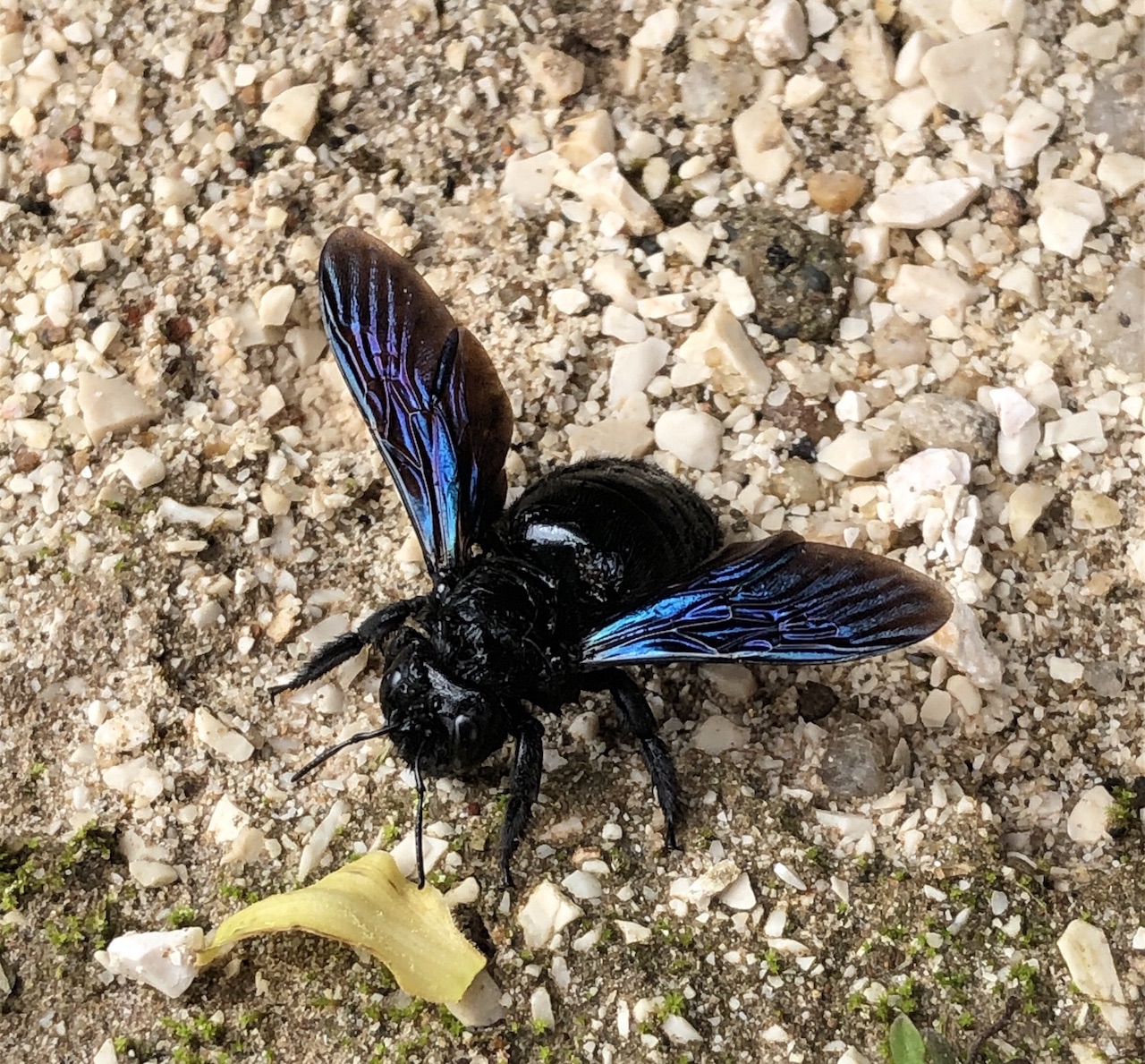
Carpenter bees have a sturdier and wider body compared to common bees. This robust appearance is accompanied by a powerful flight, allowing them to glide gracefully through gardens and forests. Additionally, their dense fur and metallic tones on their wings give them a touch of majesty. Their coloration can vary between blue and green, reflecting light in surprising ways. Their razor-sharp mandibles are designed to bore into hard materials, such as wood, where they construct their incredibly architectural nests.
Unique Behavior
Unlike social bees, carpenter bees are largely solitary. This behavioral distinction makes them particularly interesting, as they explore their environment independently. Their adaptations to various environments are impressive. They are known for their ability to forage on different types of flowers, allowing for effective and diverse pollination. For example, while many common bees rely on specific flowers, carpenter bees adapt to various habitats, demonstrating remarkable versatility. Thus, as we explore the fascinating characteristics of this singular species, its vital role in our ecosystem clearly stands out. We can visualize the importance of each of these characteristics as we prepare to discuss their ecological significance.
Ecological Importance
The presence of carpenter bees (Xylocopa spp.) is a fascinating spectacle of nature. With their vibrant colors and characteristic flight, these bees play a vital role in pollination, essential for the survival of many ecosystems. Such pollinators are not only responsible for the reproduction of native plants but also contribute directly to human food supply, as many crops depend on them. Their ability to pollinate large flowers is unparalleled, helping to maintain biodiversity in natural and agricultural habitats.
The Pioneers of Pollination
In addition to being effective pollinators, carpenter bees have the ability to visit different types of flowers in a single day, which, in turn, increases the chances of plant fertilization. A study revealed that carpenter bees can increase fruit production by up to 50% in some crops. This clearly demonstrates their importance for agriculture and food security. Thus, the presence of these bees can minimize the need for pesticides, which are harmful to the environment.
Role in the Ecosystem
Beyond pollination, the health of carpenter bees is interconnected with the health of ecosystems. A decline in their populations can signal a greater imbalance. For example, the loss of floral diversity due to pollution and urbanization can result in a vicious cycle of ecosystem degradation. Therefore, protecting these bees is essential for maintaining natural habitats and preserving biodiversity. As we advance in this topic, we will explore the fascinating life cycle of carpenter bees and how each stage is crucial for the continuity of their magical role in nature.
Life Cycle of Carpenter Bees
The cycle begins when the mother carpenter bee chooses a suitable cavity, often in dead wood or logs, to deposit her eggs. Once the eggs are laid, each is carefully surrounded by a supply of pollen and nectar. This strategy is essential to ensure food for the larvae after hatching. Naturally, the survival of the offspring during this initial phase depends on this meticulous preparation.
From Larva to Adult Stage
After a few days, the eggs hatch, revealing larvae that voraciously feed on the stored pollen. With this food, the larvae go through different stages of development, or ‘instars’, before transforming into pupae. This process involves complete metamorphosis, where the larva, a white and legless creature, becomes a more developed and healthy form. Finally, after a few weeks, the adult stage emerges, revealing the majestic carpenter bee, ready to conquer the skies and continue the life cycle again. Thus, the life cycle of the carpenter bee is not only fascinating but also crucial for biodiversity. As tireless pollinators, they play a vital role in maintaining ecosystems, ensuring that flowers and plants thrive. However, the journey of carpenter bees, which begins with an egg in wood, is just the beginning of their extraordinary contributions to nature. Thus, as we observe their evolution, we are reminded of their importance to the environment, paving the way for the next chapter, where we will explore the habitats that carpenter bees prefer and their social interactions with nature.
Habitat and Social Behavior
In the quiet corners of lush forests, where filtered sunlight dances upon the leaves, emerges a creature of singular skill: the carpenter bee, Xylocopa spp. It is not only a fascinating pollinator but also an exceptional architect that shapes its own homes within wood, showcasing to the world the beauty of symbiosis with its habitat.
Preferred Habitat
Carpenter bees are often found in flowering areas, where plant diversity attracts pollinators. They prefer warm and dry climates, inhabiting forests, meadows, and urban areas. Their excavations in wood, which can be in dead tree trunks or construction wood, serve as nests. These cavities provide protection and are crucial for their reproduction, allowing for the development of future generations.
Social Behavior and Interaction with the Environment
Unlike many bees that live in colonies, carpenter bees tend to be solitary. They visit flowers, such as lavender and sunflowers, and while collecting nectar, they contribute to pollination in an act of interdependence with nature. This behavior ensures the fertilization of plants. Moreover, their presence is indicative of a healthy ecosystem, where floral life thrives and, in turn, sustains various other living beings. This interaction characterizes a complex network that sustains biodiversity and environmental balance. Thus, as we explore the habitat and social behavior of carpenter bees, we encounter a microcosm of ecological interactions that highlights the importance of their preservation, a lesson that prepares us for the discussion of the threats they face in our next chapter.
Conservation and Threats
Carpenter bees (Xylocopa spp.) are more than just simple pollinators; they are fundamental to the health of ecosystems. However, without proper protection, their existence faces significant dangers. Humanity needs to pay urgent attention to these silent guardians of nature.
Conservation: A Vital Necessity
The role of carpenter bees goes far beyond their beautiful flights in search of nectar. They help pollinate countless plants, contributing to food formation and the biodiversity of habitats. Thus, the conservation of their habitat is vital. Unfortunately, the destruction of natural environments through urbanization and intensive agriculture has drastically reduced their populations. Therefore, respecting and preserving natural habitats is an action that cannot be neglected.
Immediate and Persistent Threats
Carpenter bees face numerous threats, often interconnected. Climate change has devastating effects on their habitats. Additionally, the indiscriminate use of pesticides compromises their health and fertility. Consequently, the ecological relationships upon which these bees depend are also affected, interfering with pollination and the reproduction of plant species. Therefore, public awareness about the consequences of these chemicals is essential.
As conservation becomes a critical necessity, what remains is to reflect on what we can do to protect these bees. Thus, by caring for them, we care for all life that they touch. Now, let’s explore effective ways to rehabilitate their environment and possible strategies that can be adopted.
Conclusions…
The carpenter bee (Xylocopa spp.) is much more than a pollinator: it is a fundamental species for ecological balance. Understanding and preserving these bees is crucial to ensuring biodiversity and the health of ecosystems. Encouraging awareness of their role and protecting them in their habitats is a responsibility for all. Therefore, while appreciating nature, remember the importance of carpenter bees and their positive impact on the environment.
Did You Know?
What is the carpenter bee?
The carpenter bee (Xylocopa spp.) is a solitary species that bores into wood to create nests, playing a vital role in pollination.
How do carpenter bees contribute to pollination?
These bees help pollinate various plants, supporting biodiversity and food production.
Are they different from common bees?
Yes, they are solitary and create nests in wood, unlike social bees that live in colonies.
What is the life cycle of the carpenter bee?
The life cycle includes the development of egg, larva, and pupa, which occurs in nests excavated in wood.
How can I help carpenter bees?
You can promote the preservation of their habitats and avoid using pesticides that may harm them.
What is the conservation status of these bees?
Habitat loss and pollution are threats that carpenter bees face, making them vulnerable.
Are these bees dangerous?
Carpenter bees are generally peaceful and do not sting unless threatened.
What is the typical size of a carpenter bee?
They are generally large, measuring 2 to 4 centimeters in length.