The Fascinating Helicopter Dragonfly: Gynacantha mexicana
The helicopter dragonfly, known for its flying prowess, possesses an impressive uniqueness. This article unveils the mysteries of this fascinating species, addressing its flying abilities and ecological relevance.
The Incredible Flying Abilities
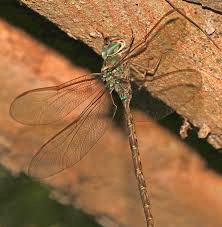
Imagine a creature that gracefully floats in the air, capable of performing maneuvers impossible for most living beings: this is the helicopter dragonfly (Gynacantha mexicana). This fascinating insect, which stands out in the realm of dragonflies, exhibits unparalleled flying skills. As it moves agilely, its large multifaceted eyes capture every movement, allowing it to react immediately to small events in its surroundings.
Static Flight and Spectacular Agility
One of the most impressive traits of the helicopter dragonfly is its ability to hover in the air. When hunting for prey, such as small insects, it becomes a true master of aerial flight. By using its two front wings and two back wings independently, Gynacantha mexicana can not only stabilize its body but also make abrupt directional changes, creating a true aerial spectacle. This ability to maneuver with precision proves essential in its natural habitat, where predators wait to capture it. By managing to escape, the dragonfly can reach speeds of up to 40 kilometers per hour, using its agility both for catching prey and avoiding being devoured. This makes it an effective predator and, at the same time, a difficult target.
The Advantages of Aerial Flight
The impressive flying capabilities of the helicopter dragonfly not only ensure its survival but also establish it as a key player in the ecosystem. By focusing on small flies and other insects that harm crops, this insect not only protects itself from predators but also contributes essential benefits to environmental balance. Thus, its flying skills are not only remarkable but vital. As we delve deeper into the life of this incredible aerial storyteller, we realize that it is in its ability to fly, hover, and maneuver that Gynacantha mexicana finds its true essence, linking it directly to the environment around it.
The Habitat of the Helicopter Dragonfly
In the shade of majestic trees and on the banks of shimmering lakes, Gynacantha mexicana, also known as the helicopter dragonfly, reveals itself in all its splendor. This charming creature not only glides over the waters but also invites us to explore the ecosystems where it resides. Nestled in tropical forest regions and in clear bodies of water, this habitat is fundamental for its survival and development.
Natural Environments
The most common environments for the helicopter dragonfly include rivers, swamps, and ponds. These areas are generally characterized by dense vegetation, which offers shade and shelter from predators. Additionally, the banks of these waters are rich in aquatic plants, essential for the reproduction of Gynacantha mexicana. Locations where sunlight gently penetrates the water create zones where insects thrive, thus ensuring a vast buffet for these dragonflies.
Impact of Habitat on Dragonfly Life
The characteristics of the habitat have a direct impact on the life of the helicopter dragonfly. For example, the presence of aquatic vegetation not only serves as a breeding ground but also provides a safe refuge for nests, where eggs can develop away from dangers. Furthermore, the humid and temperate climate favors the growth of insects, a vital food source throughout the life of Gynacantha. Therefore, the combination of these elements not only reinforces the health of ecosystems but also ensures the continuity of the fascinating story of the helicopter dragonfly. With this, we observe the interconnection between aquatic life and avifauna, where each element of the habitat supports the rich tapestry of biodiversity. Consequently, as we consider the nuances of this vibrant environment, we are compelled to reflect on the diet and hunting strategies of the helicopter dragonfly, which await us in the next chapter.
The Diet and Hunting Strategies
On the banks of water bodies, an impressive spectacle unfolds. The helicopter dragonfly, Gynacantha mexicana, is a true master of the sky, capable of flying with an agility and precision that leaves other insects dazzled and undoubtedly terrified. As it positions itself as a strategic predator, its diet reveals a fascinating dance of skill and instinct.
What Does the Helicopter Dragonfly Consume?
The diet of the helicopter dragonfly is predominantly composed of other insects, particularly small flies, mosquitoes, and occasionally even other dragonflies. These prey, common in the humid areas where Gynacantha mexicana is found, are captured with astonishing precision. In fact, the helicopter dragonfly possesses exceptional vision, able to see in multiple directions at once, allowing it to detect every movement with ease.
Flight Skills That Enhance Its Hunting
The flying skills of Gynacantha mexicana are truly remarkable. With its long and powerful wings, it can perform acrobatic maneuvers, including hovering and rapid directional changes. This dexterity not only helps it avoid predators but also positions it accurately to capture its prey. When it spots a careless mosquito, it launches with impressive speed, catching the prey mid-air. When we assimilate these characteristics to the attentive skill of the jumping spider, notable for its hunting style, it becomes clear that the predator and prey are in an eternal evolutionary dance, each developing tactics to outsmart the other. Thus, the life cycle of the helicopter dragonfly reflects the complexity of nature. Its diet and hunting strategies not only sustain it but also provide a fascinating glimpse into its role in the ecosystem.
Life Cycle and Reproduction
The charming helicopter dragonfly, or Gynacantha mexicana, presents an intriguing life cycle that fascinates naturalists and nature lovers alike. From its larval phase, hidden in tranquil waters, to the majestic adult phase that showcases graceful flights, the journey of this creature is an ode to adaptation and survival.
From Water to Sky
The life cycle of Gynacantha mexicana begins in the calm waters of swamps and ponds, where larvae, known as nymphs, emerge from their eggs. This initial stage is essential, as the nymphs spend a significant period, lasting from one to three years, developing. During this time, they are voracious predators, feeding on small insects and even other nymphs. With a body adapted for camouflage, they hide among underwater plants, protecting themselves from predators. However, the transition to the adult phase is a monumental change.
Finding a Mate and the Dance of Reproduction
When the right moment arrives, the nymphs crawl out of the water, where a magical metamorphosis occurs. They break through the shell of their exoskeleton, revealing their beautiful delicate wings. Next, Gynacantha mexicana begins its mating ritual, a remarkable spectacle that can be observed during the warm hours of the day. Males display aerial dances, while females, attracted by these aerial acrobatics, select their partners. This process is vital, as the quality of mating directly influences the survival of the offspring. And so, the life story of the helicopter dragonfly intertwines with the cycle of nature, a vital link in the ecological web. Moving on to the next chapter, we will explore the conservation and ecological importance of this magnificent species and how to ensure its future on Earth.
Conservation and Ecological Importance
Imagine, for a moment, a world without the bright and ephemeral presence of the helicopter dragonfly. These magnificent insects, belonging to the species Gynacantha mexicana, are not only a visual spectacle; they are also fundamental pieces in the complex ecological puzzle. Their role transcends beauty. These dragonflies are voracious predators and important controllers of insect populations in aquatic ecosystems, ensuring a vital balance that sustains diverse forms of life.
The Crucial Role in the Food Chain
Like many organisms, the helicopter dragonfly positions itself at the base of the aquatic food chain, serving both as a predator and prey. Adults approach their prey with agility worthy of their flying counterparts, while the nymphs play their role in the diet of fish and amphibians. Therefore, the preservation of these delicate insects goes beyond their intrinsic value, as their potential extinction could cause profound disturbances in the local ecosystem. Moreover, their interactions, such as pollination, underline the adaptive importance of maintaining diversity in aquatic habitats.
Actions for Protection
It is imperative that we take preventive actions to protect the helicopter dragonfly and its habitat. Measures such as restoring natural aquatic environments and reducing chemical pollutants in waterways are fundamental. Educating communities about the importance of preservation and creating concepts for protected areas can help mitigate the threat that urban development poses. To explore how change agents impact the environment, consult this fascinating discussion on the interdependence of species. Thus, only with a collective effort can we ensure that the helicopter dragonfly continues to grace the skies with its graceful movements and sustain the ecological balance we so value.
As we consider the beauty of helicopter dragonflies, we are reminded of the responsibility we have to conserve them, intertwining our actions, our policies, and our environmental awareness for a harmonious and sustainable future.
Conclusions…
The helicopter dragonfly, with its extraordinary flying abilities, is a true example of adaptation and the complexity of life. Its ability to hover and change direction quickly is not only a spectacle but also a vital resource for its survival. Understanding this species helps us appreciate the diversity of nature and its ecological importance. Protecting the habitat of these incredible creatures is essential to ensure they continue to thrive.
Did You Know?
What is the helicopter dragonfly?
The helicopter dragonfly (Gynacantha mexicana) is a species of dragonfly known for its agile flying abilities.
What are the distinctive characteristics of the helicopter dragonfly?
It has a more robust body and wings that allow for helicopter-style flight, making quick and precise maneuvers.
Where can the helicopter dragonfly be found?
This species is often found in wet areas such as swamps and near rivers, where its prey is abundant.
What is the diet of the helicopter dragonfly?
It primarily feeds on smaller insects, hunting them in flight, making it an effective predator in its habitat.
Why is the helicopter dragonfly important to the ecosystem?
It helps control insect populations and serves as an indicator of the health of the aquatic ecosystem.
How does the helicopter dragonfly reproduce?
Reproduction occurs in the water, where eggs are deposited, and larvae develop into nymphs before becoming adults.
What threats does the helicopter dragonfly face?
The main threats include habitat degradation, water pollution, and climate change.
How can I help protect the helicopter dragonfly?
Conserving aquatic environments and reducing the use of chemical pollutants will help protect this and other dragonfly species.