The Soil Hunter: Understanding the Dragon Ant (Plectroctena spp.)
The dragon ant is a feared hunter in the insect kingdom, known for its impressive jaws and predatory skills. Its role in the ecosystem and its fascinating hunting tactics are essential for biodiversity.
The Anatomy of the Dragon Ant
Imagine a small predator, almost invisible to the untrained eye, moving with the agility of an athlete in search of its prey. This is the dragon ant (Plectroctena spp.), a marvel of evolution in the insect world. The physical characteristics of this ant make it an exceptional hunter, equipped with refined tools that ensure its survival in the hostile environment of the soil.
Powerful Jaws
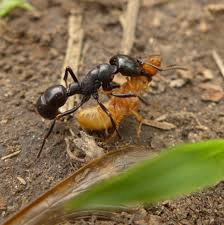
The jaws of the dragon ant are truly impressive. They not only play a vital role in capturing prey but also form part of a complex system that allows for object manipulation and defense against predators. These jaws are robust and sharp, enabling the ant to grip firmly onto its target, whether it be a smaller insect or even a larva hidden in the soil. Moreover, the bite force is adapted not only to capture but also to efficiently dismember its victims. Thus, the evolutionary design of its jaws makes them formidable hunting instruments.
Sharp Sensory Structures
In addition to its jaws, the dragon ant possesses extremely developed sensory structures. Its long, segmented antennae act as perception organs, detecting odors and vibrations in the soil. This ability allows them to locate prey even in low visibility environments, such as the humid soil of tropical forests. The chemical sensors present in the antennae help identify specific substances, being essential for communication and foraging. Therefore, these sensory adaptations further enhance the ant’s effectiveness in hunting. By understanding them, we realize that genetics and environment have shaped a true predator in the microcosm of nature. As we move to the next chapter, we will delve into the hunting strategies of this intriguing ant, uncovering the art of predation that makes it a true master of the soil.
Hunting Strategies: The Art of Predation
Imagine a small predator, a true ambush artist, patiently waiting in the shadows. Here, among the leaves and soil, lives the dragon ant (Plectroctena spp.), known for its almost supernatural hunting techniques. By focusing on the adaptations that make it unique, we can explore the fervent tactics this ant employs to capture its prey.
Ambush Tactics
In its predatory journey, the dragon ant demonstrates exceptional talent for ambush. Camouflaged in its environment, it employs a waiting behavior, remaining virtually invisible until an unsuspecting prey approaches. As soon as the prey is within reach, the dragon ant springs into action with surprising speed. Its sharp and effective jaws quickly immobilize the target. This type of attack is crucial, especially considering that many of its prey are insects that also camouflage themselves.
Skilled Pursuit
On the other hand, the dragon ant is also known for its pursuit capability. When prey is at a distance, it does not hesitate to run. Speed and agility become its allies, allowing it to adjust its strategy in real-time. Dragon ants change direction abruptly, making escape difficult. This ability is not just a demonstration of strength; it is an example of evolutionary adaptation, where cunning meets physical capability.
As we delve deeper into the fascinating world of the dragon ant, it is impossible not to reflect on its vital role in the ecosystem. The predation it exerts directly influences insect populations; therefore, its hunting strategies are more than just a simple battle for survival. They are an essential component in maintaining biodiversity.
As we explore the complexities of the dragon ant, we are led to understand how nature, in its wisdom, has perfectly orchestrated these behaviors. Now, as we prepare to unveil the ecological role of the dragon ant, it becomes clear that the art of predation is just one part of this intricate mosaic.
The Ecological Role of the Dragon Ant
The small dragon ants (Plectroctena spp.) play a majestic and crucial role within the intricate webs of biodiversity. In the battle for survival, they are not just cunning predators but also essential for ecological balance in their habitats. As they stealthily move through the soil, capturing prey, these ants shape the structure of the biological community around them, ensuring that many species coexist in harmony.
Predation and Biodiversity
The predation performed by the dragon ant has a significant impact on local biodiversity. When they attack and consume smaller insects, such as larvae and other arthropods, they help control the populations of these species, preventing them from becoming overly numerous. This process not only maintains soil health but also ensures that species diversity remains intact, allowing a variety of organisms to thrive. Furthermore, the presence of the dragon ant encourages the adaptation and evolution of its prey, promoting dynamic interactions within the ecosystem.
Contribution to the Nutritional Cycle
In addition to its predatory function, dragon ants also contribute to the nutritional cycle of the soil. By feeding on organic matter and excreting waste, they help recycle essential nutrients that benefit local plants. This, in turn, provides food and shelter for a myriad of creatures, thus establishing a complex web of life. Therefore, dragon ants are not merely hunters; they are environmental engineers, tirelessly working to ensure the health and vitality of their habitat.
By understanding the importance of these ants in the ecosystem, we begin to realize that the health of the environment is intertwined with the presence of these small but powerful beings. Next, we will further explore the fascinating life of dragon ants, focusing on their social behavior and intriguing interactions.
Social Behavior and Interactions
As sunlight filters through the dense leaves of the forest, a fascinating spectacle unfolds before us. Here we find the dragon ant, also known as Plectroctena spp., a true icon of social life among many insects. The social behavior of this ant is as intriguing as its bold hunting methods. In search of food and shelter, these ants may exhibit both solitary and collaborative interactions. The way they organize their daily activities reveals much about their adaptability and needs in the habitat they live in.
Social Behavior and Cooperation
Dragon ants are mostly solitary beings, especially during foraging. However, at certain times, they may join forces, forming small temporary colonies for task division. This collaborative behavior is generally observed in areas with an abundance of prey. In this sense, they use pheromones to communicate. Thus, they become an impressive example of how interdependence can arise even among creatures that often inhabit individualism.
Interactions and Evolutionary Advantages
The social interactions of dragon ants also reflect the evolution of their survival strategy. This is evident, for example, in the construction of nests that offer protection and shelter. Organizing into temporary colonies can also increase their chances of capturing larger prey. Even in solitary situations, these ants demonstrate a keen vigilance behavior. This adaptability, therefore, allows them to thrive in competitive environments. Thus, throughout their lives, dragon ants exhibit a blend of complex interactions, balancing solitude and cooperation. This delicate balance is essential for their longevity and success in the various ecosystems they inhabit.
With this, we can prepare to explore the next part of this journey: the preservation of the dragon ant’s habitat and the threats they face.
The Preservation of the Dragon Ant and Its Habitat
The beauty and resilience of the dragon ant, with its magnificent adaptations, are tragically threatened. These remarkable beings, which play a vital role in ecosystems, face a series of challenges. As guardians of the soil, dragon ants are essential, but as the world changes, their lives depend on human action for their protection.
Threats to the Dragon Ant’s Habitat
The habitat of the dragon ant is under attack. Urban development, intensive agriculture, and uncontrolled deforestation are fragmenting their homes. Thus, many individuals have their foraging and thriving capabilities severely compromised. Moreover, climate change exacerbates habitat loss, causing conditions that were once stable to become inhospitable.
Another harmful factor is the introduction of invasive species, which compete for vital resources and alter the balance of native habitats. And we cannot forget pollution, which contaminates their environment, threatening not only the dragon ant but the entire ecosystem to which they belong.
To ensure the survival of the dragon ant, it is imperative to implement conservation practices. The creation of natural reserves can provide a refuge for them. The restoration of degraded habitats is a vital strategy, allowing dragon ant populations to recover. Additionally, awareness campaigns about the value of these creatures can encourage the protection of their spaces.
Protecting the dragon ant means protecting the health of our soils and, consequently, the health of our planet. With united efforts, we can ensure that these fascinating hunters continue to play their essential role in the ecosystem.
Conclusions…
The dragon ant (Plectroctena spp.) is an extraordinary example of adaptability and efficiency in nature. Its powerful jaws and predatory behavior highlight its importance in the balance of the ecosystem. Studying this ant not only enriches our understanding of biodiversity but also brings us a new comprehension of the essential roles these insects play. The preservation of the habitats where they live is vital to ensure the continuity of this magnificent cycle of life.
Did You Know?
What are the characteristics of the dragon ant? The dragon ant has large jaws, aggressive behavior, and is an efficient insect hunter.
How does the dragon ant capture its prey? It uses its powerful jaws to grasp and quickly dismember its prey.
What is the natural habitat of the dragon ant? It is primarily found in humid environments, such as forests and soils rich in organic matter.
Which insects are most frequently attacked by the dragon ant? It often hunts termites and other small insect species that are vulnerable to its predatory approach.
Is the dragon ant social or solitary? Although it can be found in colonies, it is often seen hunting alone.
How does the dragon ant fit into the ecosystem? It helps control insect populations, becoming a vital part of the food cycle and soil health.
Is the dragon ant harmful to humans? No; its aggressiveness applies only to other insects. It does not pose a threat to humans.
What adaptations help the dragon ant in hunting? Its sharp jaws and movement speed are crucial adaptations that make it an effective hunter.