The Thieving Bird: An Analysis of the Frigate
The frigatebirds, especially the Frigate, are fascinating for their ability to steal food from others. In this article, we will dive into the behavior of these birds and the importance they hold in the ecosystem.
Characteristics of the Frigate
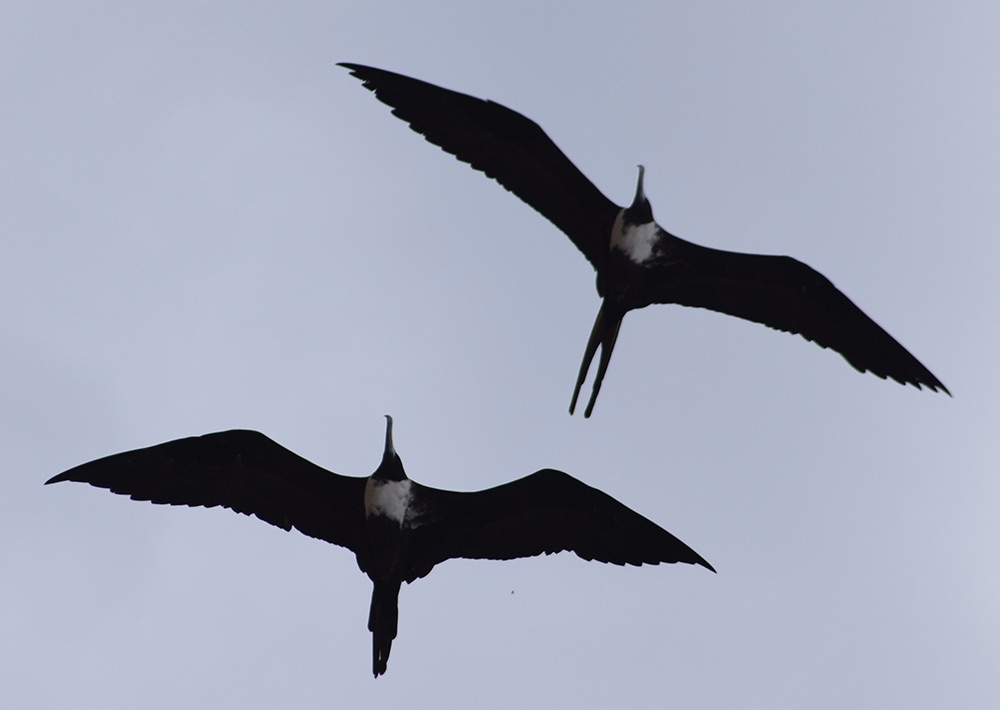
The frigates are birds that capture the attention of everyone who crosses their paths. Their majestic bodies sculpted for flight and their distinctive features make them one of the most fascinating creatures in the skies. With a wingspan that can reach up to two meters, these birds are true masters of aerodynamics. Their bodies are long and elegant, while their long, narrow wings allow them to glide on the warm ocean breeze. This ability to fly efficiently is essential, as they often spend long periods searching for food.
In terms of appearance, the frigate has remarkable plumage. Males, in particular, possess a red throat that inflates during the breeding season, creating an impressive visual spectacle. Females, on the other hand, sport white plumage on their undersides that contrasts with the deep black of their upper feathers. This appearance not only beautifies the frigate but also serves a purpose, aiding in camouflage while they feed or rest.
Behaviorally, frigates are equally intriguing.
They are extremely social and often gather in large colonies. However, their predatory nature is notable: frigates cannot swim and have therefore developed exceptional flying skills. They are known for their aerial acrobatics, performing daring dives to catch fish and steal food from other seabirds. With this strategy, they not only demonstrate their agility but also ensure their survival in the vast ocean.
Thus, when observing the frigate in full flight, it is hard not to be impressed by its beauty and efficiency. Through their unique physical and behavioral characteristics, these birds inspire us and remind us of the power of adaptation in nature. With this foundation, we can now delve into the various feeding strategies of the frigate.
Feeding Strategies
At first glance, the frigate may seem like a majestic bird simply flying through the blue skies, but in reality, its feeding tactics reveal an impressive complexity. With a keen eye, we can observe how this remarkable species, with its long wings and unparalleled flying abilities, has transformed into a true artist in the act of feeding.
Stealing Behavior
One of the most fascinating aspects of frigates is their opportunistic behavior. They often defy gravity to steal food from other seabirds, a practice that reveals not only agility but also intelligence. They frequently raid birds like terns and flying fish, using their flying skills to launch an attack. This stealing behavior highlights the resilience of the frigate in competitive environments, where survival depends on specialization and cunning.
Hunting Techniques
In addition to stealing, frigates also demonstrate remarkable skills in their hunting techniques. They are, for example, experts at catching flying fish. Upon spotting prey in the water, they dive quickly, capturing them with dexterity. However, their hunting methods are not restricted to a single approach; they often take advantage of rising air currents to glide and maintain efficient movement. This maneuverability is essential for exploring vast areas in search of food.
Thus, as we observe the frigate, we are taken on a journey of discoveries that reveal a fascinating world of feeding tactics. This glimpse into their strategies prepares us to explore their habitats and distribution. Thus, the connection between what they eat and where they live becomes evident, revealing the intrinsic beauty of nature.
Habitat and Distribution
Imagine contemplating the skies as a frigate performs stunning aerial acrobatics, dominating the blue horizon. This magnificent bird, with its unmistakable silhouette and long wings, is not limited to any terrestrial territory, being a true master of the skies. The frigate is often found in coastal environments, particularly on tropical islands and oceanic areas, where it stands out as a true emissary of the wind.
Natural Habitats
These birds prefer ecosystems that offer abundant access to water and food, essential for their survival. Primarily inhabiting regions with warm waters, such as the tropical seas of the Atlantic and Pacific, the frigate adapts to varied environments, being seen in mangroves, estuaries, and even on beaches. Additionally, they nest in tall trees or in colonies on remote islands, where access to predators is limited.
Favorable Conditions
The environmental conditions that favor the frigate include the availability of food, such as fish and squid, which they capture during their long and majestic dives. Mild temperatures and constant winds are also ideal for their flight, allowing this bird to travel great distances in search of resources. As a fascinating example, the frigate can fly for hours without landing, demonstrating its impressive adaptation and resilience. Now that we have explored the natural habitats of the frigate and the conditions that sustain its life, it is essential to understand how its presence impacts the surrounding ecosystem.
Ecological Importance
In a world surrounded by the vast blue of the ocean, the Frigate stands out as one of the great navigators of the skies. With their impressive wings and flying abilities, these birds are more than mere spectators in their habitat; they play a crucial role in their marine and coastal ecosystems. Observing a group of frigates gliding smoothly over the waves, we realize that their elegance is closely linked to the health of the sea and its aquatic communities.
Predators and Population Controllers
Frigates exert control over fish and squid populations in the waters they inhabit. They primarily feed on smaller prey, such as flying fish, capturing them in their agile flight. This predation helps regulate the balance of marine life, preventing the overpopulation of certain species that can lead to ecological collapse. Furthermore, their hunting practices influence the behavior and distribution of the species that make up their diet. In this way, frigates ensure that the ocean’s food web remains robust and balanced.
Interactions with Other Species
Frigates not only directly affect marine life but also interact with other species in their environment. They often carry parasites that can impact other seabirds, as well as serving as hosts for smaller birds that take advantage of their vigorous flight to move between different areas. In this sense, the frigate becomes part of a complex mosaic of ecological interactions, reinforcing the interdependence of species. Therefore, it is essential that we recognize their ecological importance and take actions that ensure their preservation for future generations and for the health of the ecosystems that sustain so many lives.
As we explore the issue of frigate conservation, it is vital to keep in mind how this magnificent bird, even in its solitary flight, represents the essence of an ecological system that relies on deep connections and balance.
Conservation and Threats
The majestic flight of the Frigate, with its enormous wings and unmistakable silhouette, is undoubtedly a wonder of nature. However, beneath this magnificent appearance lies a sad reality of significant conservation challenges that the species currently faces. With increasing human pressures, the future of these magnificent birds is at risk, requiring urgent actions for their survival.
Conservation Challenges
One of the main challenges for frigate conservation is habitat degradation. Deforestation and urbanization have reduced vital areas for their reproduction and feeding. Additionally, ocean pollution, resulting from the disposal of plastics and other toxic substances, severely impacts their feeding and health, with many individuals affected by the ingestion of waste. Climate change, in turn, causes alterations in climate patterns that affect food availability and migratory routes, putting the species in an even more vulnerable situation.
Measures in Development
In response to these challenges, various initiatives have been implemented to protect the Frigate. Habitat rehabilitation projects in coastal areas are being promoted, along with the increase of protected areas. Population monitoring is underway, allowing for effective analysis of changes in population demographics. Conservation organizations are also working to raise awareness about the importance of the Frigate and the essential role it plays in marine ecosystems. Thus, through international collaboration and focused actions, a prosperous future can be secured for this magnificent bird.
As we delve into the unique beauty of fireflies in the next chapter, it is vital to reflect on how the conservation of the Frigate and other interconnected species is urgent and necessary for the preservation of biodiversity.
Conclusions…
The Frigate, with its survival tactics and curious behavior, shows us how interconnected nature is. This thieving bird is an example of adaptation and intelligence in the search for food, highlighting the importance of respecting and protecting the ecosystems we depend on.
Did you know?
What is the Frigate?
The Frigate is a seabird known for its ability to steal food from other birds.
What is the natural habitat of the Frigate?
It primarily inhabits coastal areas and tropical islands, where it can find abundant food.
Why is the Frigate called a thieving bird?
It is called a thieving bird due to its opportunistic nature of stealing food from smaller birds.
What is the ecological importance of the Frigate?
The Frigate plays a crucial role in controlling populations of other birds and maintaining ecological balance.
How does the Frigate feed?
It catches fish and, instead of fishing, usually steals from other birds that have caught them.
Where can I see the Frigate?
These birds can be seen on beaches and islands along the Pacific Coast, especially in Central and South America.
What is the size of the Frigate?
Frigates are large, with a wingspan that can reach up to 2.3 meters, depending on the species.
Is the Frigate an endangered species?
No, currently the Frigate is not endangered, but its natural habitat faces pressures due to urbanization and pollution.