Warts: Understanding and Treating This Common Condition
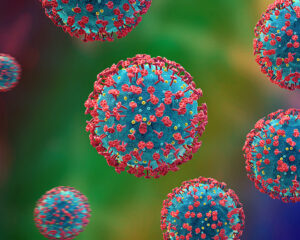
Warts, small benign lesions on the skin, have intrigued humanity for centuries. Caused by the human papillomavirus, they are not just an aesthetic nuisance but also a health signal that deserves attention. Let’s explore the biology of these formations and the available treatment options.
The Origin and Growth of Warts
At the core of the skin, an invisible world offers a home to many microorganisms, among them, the human papillomavirus, or HPV. This opportunistic virus, transmitted through direct contact, begins its life cycle with just a touch. Upon finding a microscopic breach in the skin, HPV finds its entry point, initiating an imperceptible yet eventually visible process.
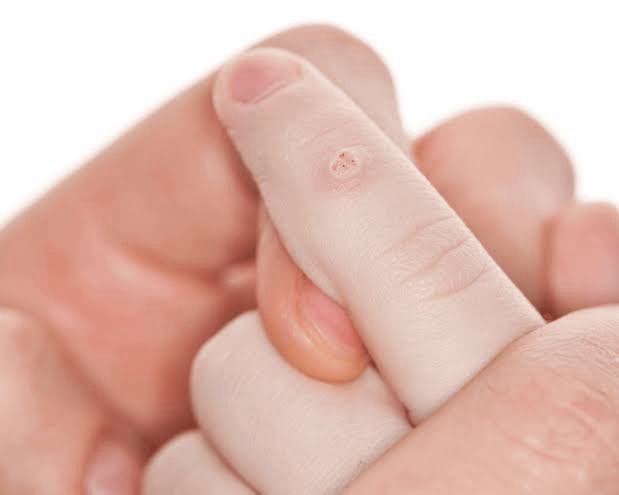
As soon as the virus penetrates the basal epithelium of the skin, a cellular symphony begins. Here, HPV interferes with the natural life cycle of the cells, forcing them to replicate uncontrollably. The result is a profusion of cells that culminates in an elevated, golden, warty skin lesion. This is the familiar wart, a small marvel of biology, albeit an unwanted one.
The formation of warts is a testament to extraordinary cellular proliferation. HPV acts as a ruthless conductor, dictating the excessive growth of keratin in the epidermis, the outermost layer of the skin. This viral behavior transforms smooth texture into a rugged landscape. Over time, these mounds of cells can develop a rough appearance, evoking the likeness of small rocky hills.
The impact of warts goes beyond aesthetics, causing physical discomfort in areas of friction or pressure. Their rough surfaces can crack, increasing the risk of secondary infections. To better understand this symbiotic relationship between virus and host, you can explore more about the newly discovered fungus in the Brazilian Amazon, where microorganisms also act beyond what we perceive at first glance.
This biological phenomenon highlights the complex dance between viruses and our physiology, a dance that shapes the various forms our skin can adopt throughout life.
Common Types of Warts
Amidst the vast fabric of nature, warts emerge as fascinating intruders on human skin. Common warts are the most frequent, appearing as rough grayish growths. They often show up on fingers and the backs of hands, resembling countless natural camouflages found in the animal kingdom. In fact, the rough surface of common warts may even remind one of the intricate patterns on a jumping spider’s body, challenging our visual perception.
Shifting to moist territories, plantar warts inhabit the soles of the feet. They are often confused with calluses due to their flat and hardened nature, a result of pressure exerted by the body’s own weight. These warts penetrate the deeper layer of the skin, reminding us of adaptations of underwater creatures that remain firmly anchored to the seabed.
Even more subtle, filiform warts manifest as thin, elongated projections. They are frequently found on the face and neck. Such warts possess a unique elegance, similar to how certain plant species send out their shoots in search of sunlight.
Finally, flat warts reveal themselves in clusters, favoring the faces of young people and children. Their smooth surface and discreet color make them less noticeable. Observing them, we can associate them with colonies of fungi in nature, as if they were small communities of beings adapted to coexist among us.
Each type of wart chooses its territory on the human body, reflecting in some way the patterns and behaviors we observe in the flora and fauna around us. Thus, understanding them leads us to a deeper appreciation of the complexity of the natural world.
Available Treatments for Warts
In the vast universe of wart treatments, we find an abundance of methods that reflect the diversity and complexity of this condition. Let’s start with home options, where each fragment of folk knowledge defies time. A common mixture involves the use of mild acids, which, over weeks, seek to corrode the wart. These solutions may require almost eternal patience but offer hope for results without the need for medical intervention.
In the realm of professional methods, the approach is decidedly more aggressive. Cryotherapy, or freezing with liquid nitrogen, is a widely used technique. By reaching extreme low temperatures, it seeks to destroy the infected tissue rapidly. Similarly, laser treatment promises surgical precision, directly targeting the stubborn protrusion. This method is often chosen for more difficult cases.
Another frequently followed path is immunotherapy. This sophisticated treatment attempts to encourage the immune system to recognize and eliminate the virus causing the warts. Despite its complexity, this approach stands out for its potential to prevent recurrences.
Each method carries its peculiarities and risks. Among traditional practices and modern treatments, the choice may depend on the location, nature, and persistence of the wart. It is essential to consider several aspects before deciding on the best course of action, always seeking the advice of qualified health professionals.
Just like the jumping spider that meticulously calculates its jump, wart treatment requires precision and care, while we respect the wonder of the body in its ability to heal and protect.
Prevention and Skin Care
In the vastness of interactions with the environment, our skin faces constant challenges. Among them, warts, small protrusions caused by the Human Papillomavirus (HPV), find timely reception in favorable conditions. The prevention of these unwanted companions begins with understanding and meticulous skin care.
- Practice proper hygiene: Washing hands frequently significantly reduces the chances of virus transmission. For those exploring shared environments, such as pools and gyms, care is doubled.
- Avoid direct contact: We see the beauty of nature intricately in detail, but it is wise to avoid direct contact with warts from other people. The virus takes advantage of small openings in the skin.
- Wear foot protection: Shoes in public wet environments, such as locker rooms, protect against plantar warts. This simple barrier can be highly effective.
- Take care of your wounds: Keeping cuts and scrapes covered until they heal is essential. HPV can use these openings as passageways.
- Strengthen the immune system: A balanced diet rich in fruits and vegetables helps combat infections, including the wart virus.
By taking care of yourself, draw inspiration from the perfection of natural mechanisms. To delve deeper into this fascinating world of caring for beings from nature, get to know the admirable balance that nature demonstrates. Healthy skin reflects the balance of life and the environment. With prudence and attention, the risk of warts is minimized, allowing our epidermis to flourish in full health.
When to Consult a Dermatologist
Amidst the vast intricacies of the human body, warts are small yet notable manifestations that many encounter. Although generally harmless, there are situations where seeking a specialist becomes necessary.
- First: If a wart changes appearance, it is a warning sign. Rapid changes in color, shape, or texture may indicate something more serious. Additionally, if the wart begins to bleed without apparent injury or causes significant pain, it is wise to seek medical guidance.
- For individuals with compromised immunity, whether due to medical conditions or treatments, warts can multiply rapidly and aggressively. In these cases, a dermatologist can offer effective intervention strategies to prevent complications.
- Another important aspect is the location of the warts. If they appear in sensitive areas, such as the face or genital region, medical follow-up is essential to ensure that treatment is safe and appropriate for delicate tissue. Persistent warts that do not respond to home treatments after a few weeks also deserve professional evaluation.
- Children with multiple or large warts should be examined, as early treatment can prevent embarrassment and discomfort in social settings, such as school.
- Finally, it is worth mentioning the risk of self-inoculation, where scratching a wart can spread the virus to other parts of the body or to other people. A dermatologist has the necessary tools for proper treatment, minimizing such risks.
In summary, although treatable, warts require attention when they behave atypically. To safely navigate the world of warts, consult a qualified specialist and obtain the care this condition demands.
Conclusions…
Understanding warts is essential for dealing with them effectively. Although benign, their treatment is important to avoid complications and discomfort. Equipped with knowledge, you can make informed decisions about how to manage your skin health.
Did you know?
What causes warts? Warts are caused by the human papillomavirus (HPV), which infects skin cells and causes abnormal growth, resulting in visible lesions.
Is it normal for warts to appear out of nowhere? Yes, it is normal for warts to appear unexpectedly. HPV infection can occur at any time and appear without warning.
What is good for removing warts? Common treatments include topical applications of salicylic acid, cryotherapy, laser burning methods, and surgical removals, depending on the type of wart.
Which wart is not HPV? Flat warts, which are smoother and smaller than common warts, may not be caused by HPV. Other skin lesions, such as cysts, are also not HPV.
Which ointment makes warts fall off? Ointments containing salicylic acid are quite effective for wart treatment, helping to exfoliate and eliminate infected tissue.
How to remove a wart with ice? Using ice can cause freezing of the wart, leading to its gradual fall. It is important to wrap the wart in a cloth and apply ice for short intervals.
What type of wart should I worry about? Warts that change appearance, bleed, or do not respond to treatment within a reasonable time should be evaluated by a dermatologist.
How long does it take for a wart to fall off with Verrux? With the use of Verrux, treatment generally takes a few weeks for the wart to start falling off, depending on its size and depth.
Can I cut the wart? Cutting warts is not recommended, as it can cause infections and complications. It is better to consult a professional for safe removal.