
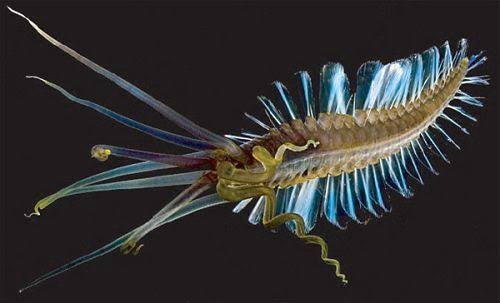
The Fascinating Sea Cucumber of the Deep Sea
The depths of the Celebes Sea hold incredible secrets, and one of its most recent revelations is the surprising sea cucumber. Measuring only four inches in length, this fascinating creature was discovered using a remotely operated vehicle, challenging our understanding of life in extreme environments. Let’s explore its biology, habitat, and the importance of this discovery.
The Rediscovery of the Deep Ocean
Expeditions to the ocean depths have unveiled a world of wonders, often keeping well-guarded secrets. Through the use of advanced technology, such as remotely operated vehicles (ROVs), scientists dive into unexplored regions. These ingenious machines reach depths that would be impossible for humans in such hostile environments, allowing the exploration of unique ecosystems.
The use of ROVs has transformed our understanding of what exists in the depths. Equipped with high-definition cameras, these vehicles map the ocean floor and capture images of rarely seen creatures. Through these expeditions, researchers have discovered new species, significantly expanding knowledge of marine biodiversity. Each new discovery increases the importance of ocean conservation.
In addition to exploring biodiversity, expeditions also examine the varied habitats and ecosystems. For example, in deep coral reefs or hydrothermal vents, ROVs help reveal the complexity of marine life. These rich environments are essential for the overall health of the ocean. Removing or disturbing these habitats can have devastating consequences, making research a crucial tool for their protection.
Science continues to benefit from the exploration of the depths. Each mission provides valuable data, not only to identify new species but also to understand ecological interactions. This knowledge is vital, fueling conservation initiatives and protecting the waters that harbor so much beauty and diversity. The deep ocean, with its hidden riches, awaits many more revelations to come, underscoring the undeniable importance of scientific expeditions.
Unique Characteristics of the Sea Cucumber
In the vast domain of the deep sea, resides the fascinating sea cucumber, a creature whose morphology intrigues and enchants. With a cylindrical and segmented body, this organism displays vibrant colors, such as red and orange, which not only capture the scarce light of the depths but also serve a vital function: camouflage. Its body structures are adapted to survive in high-pressure and low-temperature environments, common characteristics of the ocean floor.
The ends of the sea cucumber are adorned with delicate appendages that act as sensors. These appendages help the sea cucumber detect movements and changes in its surrounding environment. The ability to sense vibrations in the water is crucial for avoiding predators and locating prey. The way it moves, floating slowly with an almost ethereal style, reveals the energy efficiency that is vital in its extreme habitat.
Another uniqueness of the sea cucumber is its production of mucus, which not only protects its body from parasites but also acts as an adhesive to grasp parts of the environment, such as algae and small sediments. This mucus can also be a vital energy resource, providing nutrients in an environment where food is scarce.
Unlike many marine organisms, the sea cucumber has the ability to reproduce asexually, ensuring its survival in a habitat where encounters between individuals can be rare. This adaptability makes it a remarkable example of resilience in nature. To delve deeper into other fascinating deep-sea creatures, such as the squid, you can check out this article on squid, a relative of the intriguing sea cucumber.
Habitat and Ecology of the Depths
The depths of the Celebes Sea reveal an extraordinary and often unexplored ecosystem. Here, water temperature is fundamental for marine life. In the deeper layers, temperatures are generally colder. This factor influences the distribution of species, such as the enigmatic sea cucumber. This fascinating creature adapts to severe conditions, thriving in a high-stress environment.
Salinity also plays a vital role in this habitat. The seawater of Celebes exhibits variations in salinity, especially in areas near currents. These changes affect biodiversity, as some species are more tolerant of high salt concentrations than others. In turn, the availability of nutrients determines not only the presence of smaller organisms but also those at the top of the food chain.
The stratification of water layers contributes to the formation of microhabitats. Each layer hosts different communities. While the upper layers receive sunlight, allowing photosynthesizing organisms to flourish, the deeper layers remain an enigmatic mystery, where life finds unique ways to exist in lightless environments.
Moreover, ocean currents influence species distribution, transporting nutrients and organisms from one area to another. This dynamic is crucial for the health of the ecosystem. Thus, the sea cucumber not only inhabits this fascinating environment but also plays an important role within the complex web of life in the Celebes Sea. To understand more about the uniqueness of certain marine inhabitants, such as the squid, refer to this article on squid.
The Importance of Marine Biodiversity
Marine biodiversity is a wonder of creation. Each organism plays a vital role in the web of life. The sea cucumber, for example, is a remarkable example of how this biodiversity reveals itself in the depths of the ocean. These beings help structure complex ecosystems and regulate biogeochemical cycles. They are crucial for the health of the oceans and, consequently, for the health of our planet.
Studies show that the loss of biodiversity can lead to the collapse of entire ecosystems. Human actions, such as pollution and overfishing, threaten these fundamental habitats. The degradation of coral reefs and ocean acidification are direct consequences of human interference. The destruction of these environments can result in an irretrievable loss of species.
The sea cucumber, hidden beneath layers of darkness, reveals our dependence on marine biodiversity. It participates in the food chain, serving as food for larger predators. Its extinction would negatively affect other organisms, leading to disastrous consequences throughout the ecosystem.
Furthermore, marine biodiversity acts as a buffer against climate change. The oceans absorb a significant portion of carbon dioxide, regulate temperature, and help control global climate. Therefore, protecting creatures like the sea cucumber also protects our own future.
Understanding the importance of marine biodiversity is essential for conservation. Scientific research must seek solutions to mitigate human impacts. To learn more about the unique biodiversity of the oceans, explore how squids and other marine beings play crucial roles in their habitats.
Future Research Perspectives
The discovery of the sea cucumber from the depths of the sea opens a range of fascinating possibilities for science. This organism, living in an extreme environment, possesses adaptations that may inspire innovative biotechnologies. The study of the sea cucumber could unveil biological mechanisms that control survival in severe conditions, offering valuable insights for fields such as medicine and engineering. Additionally, the analysis of the chemical products that the sea cucumber produces may lead to new compounds with unique properties, useful in pharmacology.
The implications for ocean preservation are equally significant. The presence of the sea cucumber indicates complex and still poorly understood marine ecosystems. This can attract the necessary attention to protect these endangered habitats. With the ongoing exploration of the oceans, scientists must emphasize the urgency of conserving these areas. Here, international collaboration becomes essential, as the oceans know no borders.
Research on the sea cucumber can stimulate public awareness about the importance of the oceans. The knowledge generated can foster advocacy for policies aimed at protecting the marine environment. This is especially critical in the face of challenges such as ocean acidification and overfishing. For more information on marine life, you can visit this article on squid, a close relative of the sea cucumber. Thus, research continues to not only unveil the secrets of marine organisms but also propose a sustainable path for human coexistence with our vast ocean.
Conclusions…
The discovery of the sea cucumber in the depths of the Celebes Sea not only adds a new page to our understanding of marine biodiversity but also reminds us of the fragility and richness of underwater ecosystems. Each new species found is a door that opens to more knowledge and commitment to the preservation of these unique environments.
Did You Know?
What is a sea cucumber?
The sea cucumber is a small marine creature, measuring about four inches, known for its unique appearance and habitat in deep waters.
Where was the sea cucumber found?
The sea cucumber was discovered at a depth of 2,800 meters in the Celebes Sea, using a remotely operated vehicle (ROV).
What is the importance of the discovery of the sea cucumber?
The discovery of the sea cucumber highlights the incredible biodiversity of the deep sea and the need to protect vulnerable ecosystems.
What is the habitat of the sea cucumber?
The sea cucumber inhabits deep-water environments, where conditions are extreme and life is often adapted to these challenges.
How does the sea cucumber adapt to its environment?
The sea cucumber has adaptations that allow it to survive in high pressure and low light, common characteristics of its deep habitats.