Humpback Whale: Giant of the Seas
Humpback whales, with their acrobatic leaps and hypnotic melodies, inhabit the world’s oceans. This article explores their impressive characteristics, intriguing behavior, and the importance of their conservation. Dive into the rich experience of these majestic creatures that navigate the seas.
The Fascination of the Humpback Whale
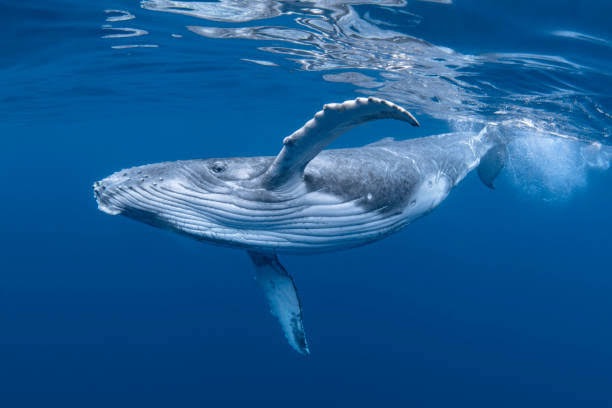
The humpback whale, with its majestic size, is one of the wonders of the ocean. These giants can reach up to 16 meters in length and weigh as much as 40 tons. The coloration of the humpback varies between dark gray and deep blue, with white spots that make it unique. Their long, elegant fins, which can measure up to 5 meters, provide a distinctive appearance. This streamlined shape allows them to move gracefully through the water, reflecting the beauty of a true marine giant.
The acrobatics of the humpback whale are true natural spectacles. They leap, spin, and breach, creating a mesmerizing dance that enchants all who are lucky enough to witness it. These maneuvers are not just for fun; they serve important purposes. Jumps and sudden movements can act as a form of communication or even help locate prey. For this reason, humpbacks are often seen in groups, cooperating to feed.
The vocalizations of the humpback whale are equally fascinating. These sounds can be heard over long distances and are used to attract potential mates during the breeding season. The complex songs, which can last for hours, demonstrate remarkable intelligence, reflecting their capacity for social interaction. This sound communication is essential for maintaining social bonds within groups. The humpback whale, with its imposing size and intriguing behavior, continues to fascinate humans and inspire protection and respect for these magnificent aquatic beings. To learn more about marine life, click here.
Maritime Migrations
Humpback whales, the majestic giants of the ocean, are known for their impressive ability to migrate long distances. They travel annually, covering thousands of kilometers between their breeding and feeding grounds. In winter, they seek warm, shallow waters, such as those found along the coast of Brazil, where they breed and give birth. This is a crucial period, ensuring the calf’s protection from the tropical heat. The sun-drenched waters provide a safe environment for initial growth.
When spring arrives, humpbacks begin their journey towards the colder waters of the North Atlantic, especially along the coasts of Canada and New England. Here, the abundance of food, primarily small crustaceans known as krill, provides the necessary energy to sustain the long distances. Krill is a fundamental element in the diet of humpbacks, as it offers the nutrition needed for these enormous marine mammals.
During these migrations, whales face many challenges. One of the main risks is interaction with human activities, such as fishing and commercial navigation. Often, humpbacks encounter fishing nets that can entangle them. Additionally, pollution and climate change affect migratory routes and food availability. The resilience of these incredibly large creatures is remarkable, but the future depends on our ability to protect the oceans they call home. To learn more about the importance of marine species, check out the article on elephants, the gentle giants of nature.
Feeding and Hunting Techniques
Humpback whales, majestic giants of the seas, are masters of the art of feeding. With lengths that can exceed 16 meters, they employ impressive techniques to acquire their sustenance. Their diet mainly consists of small organisms, but krill is undoubtedly the star of the menu. This small shrimp-like creature forms the basis of the humpback’s diet during their long journeys in the oceans. These whales can consume up to 36 tons of food daily during intensive feeding periods.
A unique and fascinating hunting technique that humpbacks employ is bubble net feeding. The whales dive deeply and then swim to the surface while exhaling air, creating bubbles that encircle the krill. This clever movement confuses the prey and groups them together, making capture easier. As they approach the surface, humpbacks open their massive mouths to swallow the prey in one swift motion. It is a truly extraordinary sight and an example of natural ingenuity.
In addition to krill, humpbacks also feed on sardines, anchovies, and small fish. They vary their techniques according to food availability. For example, in some cases, they may use a technique called ‘lunge feeding,’ in which they literally lunge toward the school, gulping large amounts of water and food at once. Thus, the humpback whale is not only a graceful giant but also a skilled hunter in the deep waters, ensuring its survival with truly exceptional methods. For more information about whales, you can visit this blog.
Conservation and Threats
The alligator turtle, a majestic creature of the rivers, faces significant challenges in its habitat. The destruction of its environment, primarily caused by urbanization and pollution, poses a growing threat. The rivers, which were once their natural homes, are becoming less habitable. Deforestation along riverbanks compromises water quality, increasing siltation. This results in a damaged aquatic ecosystem, where the alligator turtle struggles to survive.
Another major risk comes from excessive hunting. The demand for meat and products from the alligator turtle has led to a drastic decline in their populations. Indiscriminate hunting not only reduces the number of individuals but also affects the species’ regeneration. Furthermore, accidental capture in fishing nets is a problem that many do not consider. Many alligator turtles become trapped, leading many to die before being released.
To combat these threats, efforts are underway to preserve their habitat. Ecosystem restoration projects aim to revitalize rivers and adjacent areas. Local and international organizations are fighting for legislation that protects the alligator turtle. Public education is crucial, raising awareness about the importance of conserving this unique species.
The preservation of the alligator turtle is an effort that involves not only biologists but also the community. Engaging people is vital. Together, we must ensure that this remarkable creature continues to live in the rivers it has always called home. For a broader perspective on conservation, you can explore this article on species conservation.
Culture and Photography
Humpback whales are much more than majestic creatures of the ocean. They play a fundamental role in the culture of various coastal communities around the world. For many, observing these giants is a transformative experience. The enchantment generated by their dance in the water, the beauty of their shapes, and the sound of their songs resonates deeply, becoming part of cultural identity. For local populations, knowing and protecting humpbacks is an ancestral connection with nature and the sea. This cultural aspect has attracted tourists, leading to significant growth in ecotourism.
The practice of underwater photography has also gained traction, allowing the essence of humpbacks to be captured in a visual dive. These records are more than images; they are a testament to the unparalleled beauty and vulnerability of these animals. Underwater photographers dedicate themselves to showcasing the complexity and grandeur of these creatures. Each click of the camera seeks to translate the magnificence of humpbacks into a single image.
The aesthetic appreciation of these magnificent creatures unfolds in diverse environments, from the shores of the Hawaiian Islands to the icy seas of Antarctica. Each location offers a unique perspective, revealing the resilience and grace of humpbacks in their natural habitats. Photographs often become tools for awareness, encouraging efforts to protect these wonderful animals and their ecosystems. It is worth exploring the beauty of marine life and the cultural impact it generates. For more on the connection between culture and marine life, see more on the beauty of birds and their habitat.
Conclusions…
The humpback whale is a marvel of nature, representing the diversity and complexity of marine life. Protecting this giant of the seas is a call to action and the preservation of our oceans. By understanding their behavior, feeding, and habitat, we can contribute to their survival and well-being.
Did you know?
Why do humpback whales jump?
Humpback whales jump, or breach, as part of their communication and emotional expression. It is also a technique to remove parasites and demonstrate their strength.
Are there humpback whales in Brazil?
Yes, humpback whales are frequently spotted in the waters of Brazil, especially in the Bahia region, which is an important breeding ground.
What do humpback whales eat?
The diet of the humpback whale consists mainly of krill, small crustaceans, and fish. They feed using a technique called ‘bubble feeding.’
What is the largest whale in Brazil?
The humpback whale is one of the largest species that can be seen in Brazilian waters, reaching up to 16 meters in length.
How much does a humpback whale cost?
It is not appropriate to buy a humpback whale, as they are wild and protected animals. Conservation is essential to ensure their survival.
What is the predator of the humpback whale?
The main predators of humpback whales are orcas. However, humans, through hunting and pollution, pose a significant threat.
Why does the whale spout water from its back?
The act of spouting water from its back is known as breathing. Humpbacks exhale air and, in doing so, launch water high into the air, creating an impressive display.
What does the whale eat?
Humpback whales primarily eat krill and small fish, using sophisticated hunting methods to capture their prey.