The Greater Rhea: A Giant Bird
The greater rhea, a magnificent bird native to South America, is a true treasure of nature. With its fascinating behavior and impressive adaptability, the rhea stands out in the ecosystem. In this article, we will explore its characteristics, habits, and what makes it so special.
Physical Characteristics of the Greater Rhea
The rheas, these flightless giants of the South American continent, are true wonders of nature. They have an impressive height of up to 1.7 meters. Their robust and aerodynamic body is covered by gray plumage that, despite being simple, offers excellent camouflage in the savannas and open fields where they reside.
The plumage of rheas not only aids in camouflage but also plays a crucial role in their thermal and social needs. Their long, flexible feathers are perfect for regulating body temperature in varied climates, as well as being used in displays to attract mates.
Unlike many birds, rheas have small wings and are therefore unable to fly. However, these wings are not entirely useless. They use them to balance while running, providing agility when changing direction. This ability is vital for escaping predators at high speeds.
The legs of rheas are one of their most striking and adaptive features. These powerful legs not only support them on long walks but also allow them to run at speeds of up to 60 km/h. The muscular structure and elastic tendons turn each step into an efficient leap, conserving energy while covering large stretches of ground.
Their adaptation to the habitat is remarkable, with characteristics that echo their coexistence with a hostile environment. Like many animals in South America, they have mastered the art of survival through precise physical adjustments. Surprisingly, like the ladybug, the rhea also adapts to survive the challenges of its habitat, hiding or fleeing quickly when threatened.
Habitat and Distribution of the Greater Rhea
In the vast landscape of South America, the rhea finds its home. These flightless birds primarily inhabit the open plains of Argentina, Uruguay, Paraguay, and Brazil. They prefer regions of pampas and cerrado, where the low vegetation allows for an unobstructed view of the horizon.
The rhea, with its gray plumage and imposing stature, adapts to savanna and semi-arid landscapes. It takes advantage of the flat terrain to run quickly, a crucial skill for its survival. In fact, the ability to cover large distances is remarkable, essential in habitats that vary seasonally.
These birds enjoy vast grassy expanses but also find shelter in scrublands and pastures. The diversity of habitats supports their varied diet, which we will discuss in detail in the next chapter.
Although the plains are their preferred refuge, the rhea also explores the edges of subtropical forests. Here, it shows admirable resilience, adapting its feeding habits to the more enclosed environment. During rainy periods, rhea populations migrate to drier areas, highlighting their adaptive behavior.
The presence of the rhea in these ecosystems is a testament to its adaptability and ecological importance. Although predominantly terrestrial birds, rheas occasionally venture into areas near bodies of water, similar to the cormorant, though not with the same affinity.
The distribution of the rhea in South America reflects a history of continuous adaptation to climate changes and human interventions, ensuring its place as one of the most emblematic symbols of South American fauna.
Behavior and Feeding
In the vast plains of South America, the rhea exhibits fascinating social behavior. These magnificent birds, often seen in loose groups, maintain a social dynamic based on cooperation and vigilance. They move in flocks, which provides greater security against predators. While some rheas feed, others keep watch, alert to imminent dangers.
The social behavior of the rhea is an intriguing example of adaptability and survival. They prefer to inhabit open pasture regions, although they can also be found in savannas and plateaus. Environmental conditions directly influence their interactions, as in areas with abundant food availability, flocks tend to be smaller, reducing competition.
The rhea’s diet reflects its adaptive capacity. They are omnivorous, feeding on a variety of plants, seeds, insects, and even small vertebrates. This varied diet allows them to thrive in environments where other animals might struggle to find sufficient food. Their ability to digest food from different sources gives them an advantage in surviving in often adverse habitats.
The rhea plays a crucial role in the ecological balance of its habitat, acting both in seed dispersal and in controlling insect populations. Their feeding interactions help shape the ecosystem in which they live, demonstrating the complex interdependence that characterizes nature.
The world of rheas is full of surprises, comparable to the fascinating lifestyles of many exotic species, such as the newly discovered fungus in the Brazilian Amazon, illustrating the variety and beauty of wildlife on our planet.
Reproduction and Life Cycle
In the vast landscape of the South American plains, we witness the stunning courtship ritual of the rhea. With such elegance and purpose, the males perform a courtship dance, puffing up their feathers to impress the females. Once the bond is formed, the scene transforms into cooperation. Interestingly, after mating, it is the males who take on the primary role in caring for the eggs.
Diligent nest builders, they choose hidden locations, using dry vegetation to create a safe refuge. The females, in turn, lay their eggs in this natural sanctuary, which can reach up to 50 in a single polyandrous nest. For about six weeks, the males become the faithful guardians of the eggs. Ready to protect the potential offspring from cunning predators, they rarely leave the nest during this crucial period.
After hatching, the bond between the male and the chicks strengthens. With unparalleled dedication, the males guide the young through the early milestones of life. The little rheas, already agile from birth, grow under the watchful protection of their parents until they become sufficiently independent.
Long journeys of growth await the young birds. After about six months, juvenile rheas begin to venture out more independently, still under the attentive gaze of the paternal leader. It is only after two years of maturation that they reach full maturity, ready to participate in their own fascinating life cycle. If you are interested in unique birds in their life cycle, you might also be intrigued by the cormorant. Thus, the cycle begins anew, continuing the evolutionary saga of rheas through the ages.
Conservation and Threats
In the lush landscape of the Cerrado, the rhea, a magnificent bird, faces challenges common to survival in the wild. The rapid agricultural expansion and deforestation are perhaps its greatest threats. These factors result in the drastic reduction of its natural habitat, fragmenting the vital ecological corridors for its survival and reproduction.
Moreover, illegal hunting poses another serious danger. Despite being protected by laws, the capture of this bird for its meat and feathers still occurs, especially in remote areas. Such practices not only decimate local populations but also affect the ecological balance of the biome where the rhea plays an essential role.
Fortunately, there are ongoing conservation initiatives. Rehabilitation and release programs for rheas in protected areas appear as a promising solution. Reserves and national parks have become refuges where rheas can live without the constant shadow of human predators. These areas offer a controlled environment for reproduction and less competition for resources.
Non-governmental organizations also play a crucial role. They promote awareness through environmental education, highlighting the importance of the rhea in local biodiversity. Community projects teach sustainable practices to farmers, reducing the impact of agriculture on local wildlife.
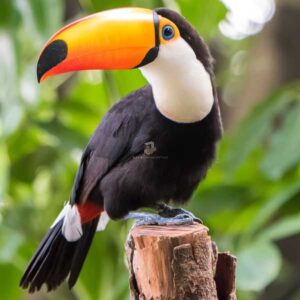
The rhea is not alone; many Brazilian animals face similar conservation challenges. The toucan, for example, also suffers from habitat loss. Such conservation efforts are essential to ensure that these majestic birds continue to beautify the vast horizons of Brazil, sealing their place in our natural legacy.
Conclusions…
The rhea is a remarkable bird that, with its intriguing behavior and adaptability, captivates all. By appreciating its unique characteristics, we can better understand the importance of its preservation in the South American ecosystem.
Did You Know?
What is the difference between the rhea and the ostrich?
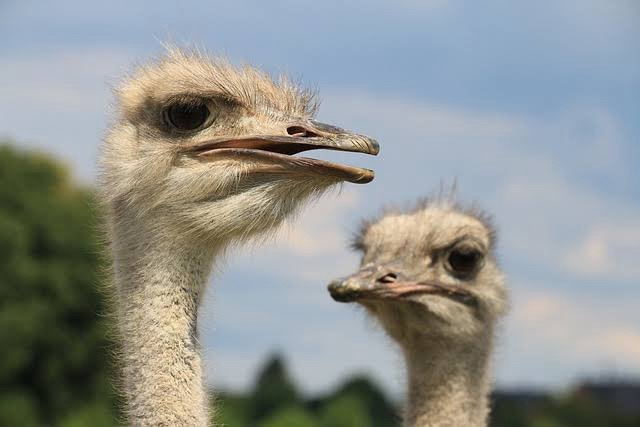
The main difference lies in habitat and geographical distribution. While rheas are native to South America, ostriches inhabit Africa. Additionally, rheas are slightly smaller and have different plumage.
What is the value of a rhea?
The value of a rhea can vary significantly depending on age and purpose. On average, a young rhea can cost between R$ 500 to R$ 1,500.
Can you eat rhea meat?
Yes, rhea meat is consumed in some regions and is considered a delicacy rich in protein and low in fat.
Can you have a rhea at home?
Having a rhea at home is possible, but it requires a lot of space and care, as they are large and active birds that need an appropriate environment.
Do you need a license to raise rheas?
Yes, in Brazil, it is necessary to obtain a license to raise rheas, as they are wild birds and their breeding is regulated by environmental laws.
What is the size of a rhea egg?
Rhea eggs are large, measuring about 13 cm in length and weighing on average 1.5 kg, which is approximately 25 times the size of a chicken egg.