Discovering the Fascinating World of Harvestmen
Harvestmen, intriguing creatures of the arachnid kingdom, reveal a fascinating set of characteristics that distinguish them from their counterparts, spiders. With fused bodies and a harmless nature, these beings play a crucial role in their ecosystems. This article will explore notable aspects of harvestmen, from their anatomy to their habitat.
Characteristics of Harvestmen
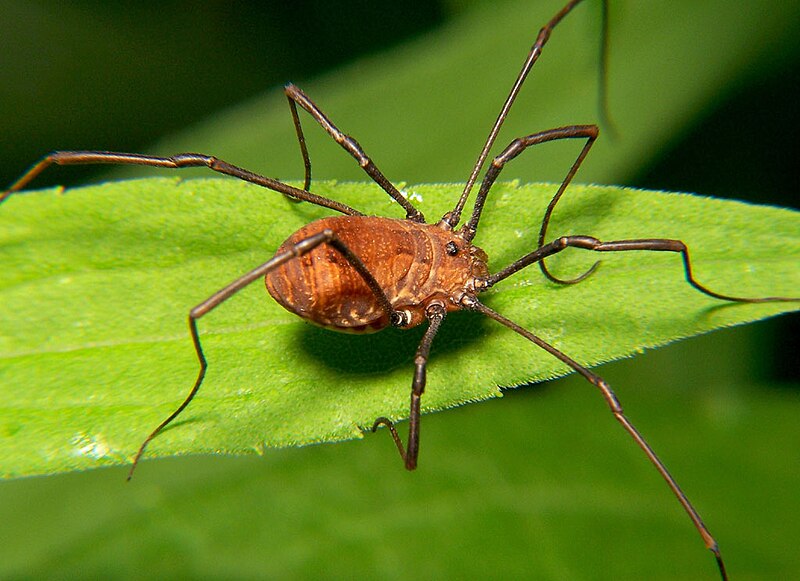
Harvestmen, intriguing creatures of ecosystems, possess a uniquely fused body. Unlike spiders, their bodies do not divide into cephalothorax and abdomen. Instead, their shape is a single structure, which may evoke the image of a small slingshot. This fusion offers notable advantages. Harvestmen are extremely agile, capable of moving quickly in response to threats. Their long limbs are perfect for navigating complex environments, such as crevices between stones and leaves. This mobility is vital for escaping predators and exploring new habitats.
Despite their frightening appearance to some, harvestmen do not produce venom. This characteristic is particularly fascinating. In a world where many organisms have developed toxins as defense, these arthropods have opted for a different approach. Instead of relying on venom, they depend on their camouflage abilities and speed. When threatened, many harvestmen freeze, confusing their predators with an inert appearance. This tactic allows them to remain hidden among vegetation or debris.
Moreover, their diet mainly consists of decomposing matter, fungi, and small insects. These feeding habits establish them as important recyclers in the ecosystem. Contributing to soil health and the decomposition of organic matter, harvestmen play an essential role. The fusion of their body and the absence of venom perfectly illustrate how the diversity of evolutionary strategies allows these beings to survive in a world full of challenges. For a greater understanding of how different animals adapt to their survival, explore the fascinating adaptations of spiders.
Habitat and Distribution
Harvestmen inhabit a wide variety of environments, showing great adaptability. These arachnids can be found in dense forests, open fields, and even in urban areas. Tropical forests provide an ideal microclimate. The humidity and dense vegetation offer shelter and food. In temperate forests, they seek shaded and moist corners where they feel safe. Fields and prairies are also home to various species of harvestmen. Here, they hide among low vegetation, evading predators and seeking prey. The soil covered with foliage is a strategic place for harvestmen. Interaction with other insects makes this habitat dynamic and rich. In urban areas, harvestmen adapt surprisingly well. They inhabit gardens, parks, and even the underestimated spaces between stones and bricks. Urbanization does not diminish their presence; instead, they adapt, becoming part of the human ecosystem.
The geographical distribution of harvestmen is equally fascinating. These beings can be found on almost every continent except Antarctica. In North America, they are common in forests and rural areas. In Europe, their diversity is greater, especially in mountainous regions. In Asia and Australia, some species have unique characteristics adapted to their habitats. To learn more about biodiversity in forests, you can check out this interesting article about new fungi in the Amazon, which reveals the complexity of the ecosystem in which harvestmen live.
Feeding and Diet
Harvestmen, often recognized for their unique appearance, play a silent yet significant role in nature. They primarily feed on small insects, such as aphids and larvae, contributing to the control of populations of these species. They use their long legs and agile body to efficiently capture their prey. In their search for food, harvestmen become stealthy predators in the ecosystems they inhabit.
These arachnids are often confused with spiders, but their feeding habits are distinct. Unlike many spiders that produce webs, harvestmen prefer to chase their prey or consume decomposing items. Their diet also includes decomposing organic matter, making them relevant in nutrient recycling. They help clean the environment, preventing waste accumulation.
In forest environments, harvestmen can be found under leaves or on trunks. These biodiversity-rich habitats offer a banquet of insects for them. The presence of harvestmen is an indicator of ecosystem health. By keeping insect populations in check, they contribute to a healthy ecological balance. Their role as predators is crucial, especially in places where pest insects can proliferate. By consuming these insects, harvestmen help protect plants and crops, being silent allies in agriculture. Therefore, understanding them is more than admiring their form; it is appreciating the complexity of interactions in wildlife. For more on predators and insect control, check out this fascinating article.
Ecological Importance
Harvestmen, often overlooked in the vastness of the animal kingdom, play a crucial role in the ecosystems they inhabit. As consumers of organic matter, these arachnids help in nutrient recycling. By feeding on decomposing leaves, small insects, and other debris, they transform dead matter into essential nutrients. In this way, they contribute to soil fertilization.
Moreover, harvestmen serve as a bridge between different trophic levels. By feeding on decomposers, they help control the population of organisms that consume organic matter. This is vital for maintaining a healthy balance in their habitat.
Another fascinating aspect is that harvestmen also become prey for various predators. Their presence in food chains is, therefore, a guarantee of diversity and environmental health. They not only feed other species but also influence the population dynamics of their predators.
Often, protecting the natural habitats of harvestmen is essential to ensure their persistence. These environments sustain local biodiversity. Such diversity is not limited to a single species but affects the entire ecosystem, including plants and animals. Soil and forest conservation is vital. Ongoing research on these beings is equally important. For a broader view of how biodiversity interacts, you can explore the impact that various species, including harvestmen, have on the ecosystem in this article. Thus, continuing to study and understand the role of harvestmen is necessary for the health of our planet.
Conservation and Threats
Harvestmen, fascinating inhabitants of forests and fields, face various challenges. Habitat destruction, a consequence of urbanization and deforestation, poses one of the greatest threats. When their forests disappear, these vulnerable beings lose their home. Additionally, the use of pesticides and pollutants directly affects their survival. These chemicals not only contaminate the soil but also decrease their population by affecting the insects that make up their diet. Another danger is indiscriminate collection. Many harvestmen are captured to be used as pets or in collections. This unsustainable practice can lead to the extinction of some species in local ecosystems.
Awareness is a powerful weapon in the fight for conservation. Educational projects have been developed to inform the public about the importance of these arthropods. Local communities are being mobilized to preserve their natural habitat. Rehabilitation initiatives for degraded areas are becoming common. These actions aim to restore ecosystems, providing space for harvestmen to thrive again. Science also plays a crucial role. Researchers are studying their ecological needs, helping to develop effective conservation strategies. Awareness campaigns have sought to strengthen ties between science and the public. It is essential that everyone understands that the preservation of harvestmen reflects the overall health of their ecosystems. Protecting biodiversity is vital; thus, everyone must unite in the protection of these fascinating creatures and their home.
Conclusions…
In summary, harvestmen are fascinating creatures that, despite their peculiar appearance, play a vital role in nature. Learning more about them allows us to appreciate biological diversity and the complexity of ecosystems. Understanding harvestmen is an invitation to value the balance present in our environments.
Did You Know?
What are harvestmen?
Harvestmen are arachnids that have a fused body and do not have venom. They are often confused with spiders, but they are distinct in many aspects.
What is the importance of harvestmen in ecosystems?
Harvestmen play a crucial role in soil aeration and in controlling insect populations, contributing to ecological balance.
How do harvestmen differ from spiders?
Harvestmen have fused bodies with a single structure that looks like a head and do not have venom, while spiders have bodies divided into cephalothorax and abdomen.
Where are harvestmen usually found?
Harvestmen are found in various parts of the world, typically in humid environments such as forests, grasslands, and even urban areas.
Are harvestmen threatened?
Although many harvestmen face environmental pressures, such as habitat loss, they are not globally threatened. However, the conservation of their habitats is crucial.