The Fascinating World of the Bullfrog
The Bullfrog, a giant of nature, stands out for its impressive size and strength. In this exploration, we will discuss its unique characteristics, habitat, behavior, and the crucial role it plays in its ecosystem.
Physical Characteristics of the Bullfrog
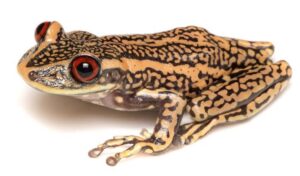
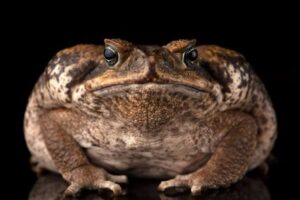
The Bullfrog, with its majestic name, stands out in the vast biodiversity of amphibians. This amphibian can reach impressive dimensions, measuring up to 30 centimeters in length, making it one of the largest frogs in the world. Its skin is a palette of colors ranging from olive green to dark brown, speckled with spots that provide camouflage in the tropical forests and wetlands where it resides. This coloration is not just aesthetic but also a natural adaptation that helps it hide from predators.
Moreover, the Bullfrog is endowed with physical characteristics that are undoubtedly fascinating. Its legs are robust and wide, designed to give a boost in impressive leaps. These adaptations are essential for traversing densely vegetated environments and escaping threats. The pads on its feet provide better grip on slippery surfaces.
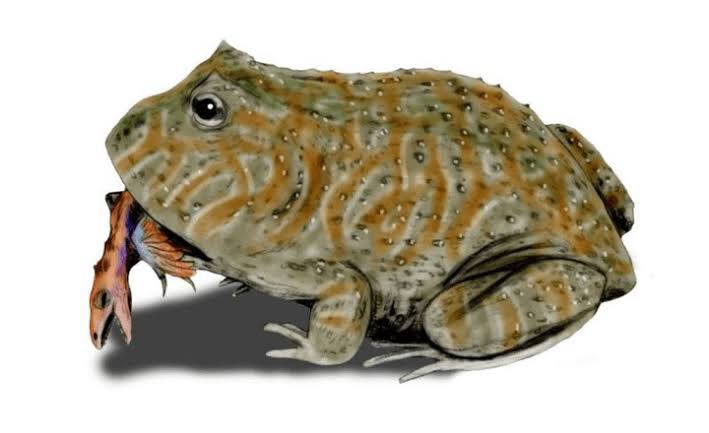
Another intriguing aspect is its powerful jaw. With sharp teeth, it can capture a variety of prey, from small insects to small rodents. This characteristic makes the Bullfrog an efficient predator.
The Bullfrog’s large eyes are adapted for night vision, allowing it to be active during the night. This nocturnal activity is crucial for its feeding and evasion of predators. With telemetry and deeper studies, characteristics such as the deep voice during the mating period and the presence of glands in the skin that secrete toxic substances can be understood more deeply. The Bullfrog is undoubtedly one of the best examples of the incredible diversity and adaptability of living beings, revealing the complexity of life in tropical forests and wetland regions. For a deeper insight into fascinating creatures in the animal world, you can explore the platypus.
Natural Habitat and Distribution
The Bullfrog, an extraordinary creature, is widely found in the tropical and subtropical regions of the world. This amphibian is especially common in lush tropical forests, which provide a rich environment of moisture and food. These forests, with their dense layers of vegetation, offer a safe refuge from predators. Here, the frog skillfully camouflages among the leaves and branches, using its vibrant coloration as protection.
In addition to tropical forests, the Bullfrog thrives in wetland areas such as swamps and marshes. These aquatic habitats are essential for its reproduction. During the mating season, males emit resonant calls that echo through the night, attracting females to join them in shallow waters. The puddles created by rain are also vital for the survival of this species. Here, females lay their eggs, which will hatch into tadpoles that develop in a nutrient-rich environment.
Urban areas, in constant transformation, also represent a new design for the Bullfrog. It adapts to these environments, seeking ponds and well-maintained gardens. Although they are more vulnerable to dangers such as pollution and habitat loss, these frogs find ways to coexist alongside humans. In summary, the Bullfrog is a species that adapts to different ecosystems, demonstrating how resilient nature is. For an exploration of how aquatic habitats are important for various species, visit Biguatinga: Discover the Fascinating Waterbird of Brazil.
Behavior and Feeding
The Bullfrog is a fascinating animal, known for its intriguing behavior and unique feeding practices. Adaptable and opportunistic, this amphibian finds food in various environments, from dense forests to urban areas. Its diet is diverse, primarily consisting of insects, small vertebrates, and even arthropods. Using its long, sticky tongue, it captures prey with precision. Although they are voracious predators, it is also important to consider the role they play in their ecosystems.
In addition to its feeding, the Bullfrog exhibits interesting social behavior. During the breeding season, males gather in bodies of water to attract females with their deep, resonant croaks. Competition among males for mates can be intense, displaying fights and vocalizations to stand out. This social interaction is fundamental for the maintenance of the species, reflecting an adaptation to the environment around them.
The Bullfrog also demonstrates a remarkable ability to change its feeding habits. In environments where food scarcity is evident, it can alter its diet, feeding on less common prey. This flexibility is a vital advantage, ensuring its survival. In regions undergoing climate changes, these frogs also face the challenge of adaptation. The ability to find shelter in moist areas during dry periods helps them survive. To learn more about the importance of feeding and animal behavior, explore this article on the interactions between species in nature: Platypus: Looks like a duck, but it’s not.
Reproduction and Life Cycle
The Bullfrog fascinates with its complex life cycle. This amphibian begins its existence in the larval stage, in aquatic environments. During reproduction, the male attracts females with its characteristic croaks. After mating, the female lays her eggs in the water, forming gelatinous masses. In a short period, the eggs hatch, and tadpoles emerge. These tadpoles, initially herbivorous, are equipped with a robust body, long tail, and gills for breathing.
As the tadpoles grow, they undergo a remarkable metamorphosis, born from adaptation to the terrestrial environment. Their gills transform into lungs. Gradually, the limbs develop, allowing the tadpoles to leave the water. In no time, they exhibit the characteristics of adult frogs.
The life cycle of the Bullfrog can be observed especially in tropical forests and riparian zones. The transition from the larval to the adult phase occurs over many months, depending on environmental conditions. This process is crucial for the proper development of the animal.
Once adults, Bullfrogs flee from natural threats, such as predators, and often return to bodies of water to start the cycle again. Water quality and temperature are essential for the health of the tadpoles and their survival. Thus, only in healthy environments can the species thrive. Understanding this cycle filled with transformations is fundamental for the preservation of these fascinating creatures, especially in a constantly changing world. To learn more about the life unfolding in aquatic environments, access the fascinating waterbird of Brazil.
Conservation and Threats
The Bullfrog, one of the largest amphibians in the world, is at a critical moment in its existence. The threats to its survival are many and varied. Firstly, habitat loss, caused by urbanization and deforestation, significantly reduces the places where these frogs can live and reproduce. Additionally, water pollution has direct impacts on the health of the frogs and the ecosystems around them. They are often exposed to toxic chemicals that compromise their development and resistance to diseases.
Another alarming problem is the introduction of invasive species. These competitors, often predators of eggs and tadpoles, affect the Bullfrog population, leading to a decrease in their presence in previously habitable areas. Hunting and illegal trade are also serious concerns. The capture of these animals for the pet market or for consumption puts additional pressure on their populations.
Conservation measures are essential to protect this fascinating species. The creation of reserves and protected areas can help preserve the natural habitats of the frogs. Awareness programs to educate the public about the importance of the Bullfrog and its threats are equally crucial. Promoting the sustainable use of natural resources and combating pollution in aquatic environments are effective measures to ensure a safer future for these magnificent animals. Every step taken towards conservation is a triumph against the threats that the Bullfrog faces, promoting not only its survival but the balance of our ecosystems. For more information on how pollution affects wildlife, check out this fascinating article.
Conclusions…
The Bullfrog symbolizes the beauty of biodiversity in South America. Its ecological importance is undeniable, highlighting the need to conserve this magnificent amphibian and its habitat. Protecting the Bullfrog is, therefore, protecting a vital fragment of our natural world.
Did you know?
What is the Bullfrog?
The Bullfrog is one of the largest species of frogs in the world, native to South America, known for its considerable size and impressive strength.
What is the habitat of the Bullfrog?
The Bullfrog inhabits environments such as tropical forests, wetland areas, and regions near rivers and lakes, where it finds food and reproduction.
What is the diet of the Bullfrog?
The Bullfrog is carnivorous, feeding on insects, small vertebrates, and other animals it hunts in its natural habitat.
What is the behavior of the Bullfrog?
This amphibian is known for its territorial behavior and intense vocalization, especially during the mating period.
What are the threats to the Bullfrog?
The main threats to the Bullfrog include the destruction of natural habitats, pollution, and climate change, which affect its survival.