True Parrot: Nature’s Mimic
True parrots, with their vibrant plumage and enchanting voices, have a remarkable ability to mimic human sounds. This article delves into the characteristics of this unique species, exploring their habitat, behavior, and why they are popular as pets.
Characteristics of True Parrots
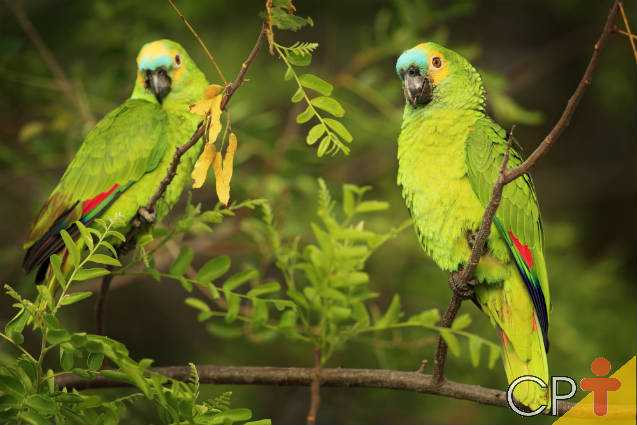
True parrots are not only a stunning sight but also true communication artists. With their bright colors, they captivate observers in their natural habitat. Their feathers boast a vibrant palette, including greens, blues, reds, and yellows. These colors are not merely decorative; they play critical roles in communication and attracting mates during mating season. The intense colors also help camouflage the parrots among the foliage of the forest, allowing them to hide from predators.
In addition to their appearance, the intelligence of these beings is remarkable. They are famous for their ability to imitate sounds. We can hear their imitations of other birds’ songs, whistles, and even human voices. This mimicking ability is a characteristic that sets them apart in the animal kingdom. It is a sophisticated form of communication. Parrots use these sounds to connect with other group members and often to express their emotional state.
With their curved beaks and adapted claws, they can move skillfully among the branches of trees. Socialization is an important part of a parrot’s life. They gather in flocks, where they share their vocalizations and interact. This social and vocal complexity is worthy of our admiration. Their relationship with the environment is fascinating. To learn more about the incredible world of birds, visit Tucano: The Bird That Charms with Its Beauty.
Natural Environments and Habitat
True parrots are fascinating creatures that inhabit a variety of natural environments. Their geographic range extends through tropical forests, savannas, and areas of mixed vegetation. These vibrant birds are predominantly concentrated in regions of South America, Central America, and parts of Australia. The decline of native vegetation and dense forests constitutes the ideal home for them.
Tropical forests are particularly significant for parrots. In this environment, they can find an abundance of fruits, seeds, and flowers. These foods are essential for their diet. The tree canopies provide a safe sanctuary against predators. Additionally, parrots use their incredible flight to move between trees, exploring different levels of the forest.
The presence of water is also vital. Rivers and lakes in parrot habitats provide not only drinking water but also places to bathe. This cleaning ritual is crucial for the health of their feathers. In savanna environments, parrots adapt. They forage for seeds in grasses and shelter in scattered trees. This ability to adapt to different habitats reflects the intelligence of these birds.
The behavior of true parrots is profoundly affected by their habitat. The composition of plants influences their diet and social interactions. Therefore, the preservation of their natural environments is essential for their survival and well-being. For more information about the relationship between animals and their habitat, it is recommended to read the article about the toucan, which also discusses how habitats shape the behavior of various species.
Ability to Imitate Human Sounds
True parrots are fascinating not only for their colorful plumage but also for their extraordinary ability to imitate sounds. They possess a unique vocal apparatus, known as the syrinx, which allows them to reproduce a variety of sounds. Imitation is not merely a trick; it is a demonstration of their intelligence and adaptability. These birds can learn sounds from their environments and even human speech with impressive accuracy.
The learning of sounds occurs in a social context. Young parrots learn to communicate by observing and imitating others. Human caregivers play a crucial role in this process. Parrots exposed to various interactions and auditory stimuli will show a richer repertoire. The social environment and the amount of attention received directly influence the effectiveness of their learning.
Studies reveal that repetition is vital. Parrots that are encouraged to repeat sounds frequently develop better mimicking skills. Additionally, the presence of other parrots can stimulate the practice and exchange of sounds. Factors such as stress and loneliness can also negatively impact this ability.
These creatures have an impressive memory, essential for storing and reproducing the sounds they learn. The more diverse the sounds they hear, the more varied the sounds they will be able to imitate. Therefore, constant interaction with humans and other animals is fundamental.
To understand these unique characteristics, it may be interesting to explore the toucan, the bird that enchants with its beauty. The complexities of animal communication are truly fascinating as we delve deeper into the knowledge of the social lives of these incredible beings.
True Parrots as Pets
Having a true parrot as a pet is a unique experience that requires careful consideration. These birds, known for their intelligence and mimicking abilities, need adequate space to thrive. A safe and spacious environment is essential for them to fly and explore. A large cage, with varied perches and enough space to move around, is crucial. Ideally, the cage should be just a temporary habitat, allowing the parrot to spend time outside of it in a supervised environment.
Daily care is equally important. These birds have a specific diet that must be balanced, consisting of fruits, fresh vegetables, and appropriate pellets. Hydration is crucial, as is regular cleaning of the cage and utensils. They are naturally social and require attention. Daily interaction is vital for their well-being and to prevent destructive behaviors.
Socialization is an aspect that cannot be neglected. True parrots thrive in environments where they have constant interaction with their humans and even other birds. They are highly social creatures and feel unhappy in solitude. Time spent on interaction, training, and play is vital. It is important to stimulate their minds with challenging toys and conversation.
Having such an engaging animal is a huge responsibility. The decision to have a true parrot should not be taken lightly, as their happiness depends on proper care. For more information on animal welfare, it is recommended to visit Natureza Incomum.
Impact of Conservation and Preservation
True parrots, with their lush beauty and unusual skills, face significant challenges in the wild. One of the main issues is the destruction of their habitat. Tropical forests, where these magnificent birds live, are being deforested to make way for agriculture and urbanization. This drastically reduces the amount of suitable areas for feeding and breeding parrots. Additionally, hunting and illegal trafficking continue to be overwhelming threats. These birds are often captured for the pet trade, contributing to the decline of their populations.
Another challenge is habitat fragmentation. The forest areas that remain are often isolated, affecting the ability of parrots to move and reproduce. This loss of genetic connectivity can result in vulnerable populations and ultimately local extinctions. In response to these issues, conservation programs have been implemented in various regions. These initiatives aim to restore habitats, raise public awareness, and combat illegal trade. Preservation efforts not only benefit parrots but also help conserve the overall biodiversity of the ecosystem. Rehabilitation and captive breeding projects have shown promising results, allowing for the reintroduction of some species into the wild. The importance of such programs cannot be underestimated. They represent a vital step in protecting these magnificent animals and preserving their natural heritage. For those interested in more about incredible wildlife, it is worth exploring the fascinating characteristics of other species, such as the Biguatinga, which also exemplifies the richness of Brazilian fauna.
Conclusions…
In summary, the true parrot stands out for its ability to imitate sounds and its captivating presence. Understanding its nature and necessary care can enrich the experience of having it as a pet, confirming its special place in the lives of many.
Did You Know?
What are the characteristics of true parrots?
True parrots are known for their vibrant plumage, great intelligence, and remarkable ability to imitate sounds, including human speech.
Where do true parrots live?
They primarily inhabit tropical forests, coastal regions, and open areas, geographically varying between Central and South America.
How do true parrots imitate sounds?
They imitate sounds by learning through repetition and socialization, using their differentiated cognitive skills to copy what they hear.
Is it recommended to have a true parrot as a pet?
Yes, but it requires a lot of attention, space, and social interaction, as well as a healthy environment that meets their physical and emotional needs.
How can we help in the conservation of true parrots?
By participating in preservation programs, supporting protective laws, and helping to conserve their natural habitats, we can protect them.