The Majestic Andean Condor
The Andean condor, one of the largest flying birds in the world, is a symbol of power and health in Andean cultures. This article will explore its biology, habitat, cultural significance, challenges faced, and conservation efforts.
Physical and Behavioral Characteristics
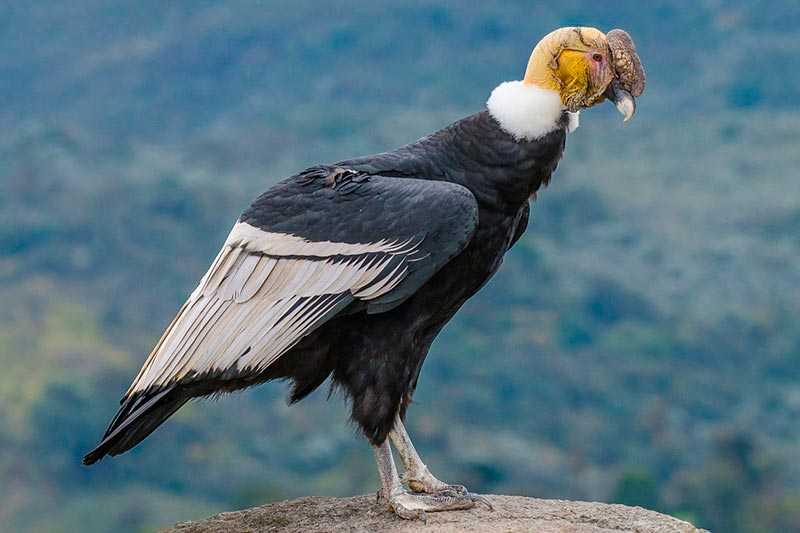
The Andean condor is a fascinating native bird of South America, known for its impressive wingspan and striking appearance. Its coloration is notable, especially in males, which display brighter and more vivid plumage. Females, on the other hand, tend to be more subdued, exhibiting a browner hue with duller patches. This difference in coloration is an interesting adaptation, aiding in natural selection and reproduction.
Measuring about 3 to 4 meters in wingspan, the Andean condor is a large bird. Its strong feathers are adapted to support an active lifestyle, with broad wings that allow for agile flights and quick maneuvers. Males typically have a more melodious call, a characteristic that attracts females during the mating season.
These birds are highly social, living in groups. Social behavior is fundamental to their survival. They communicate through a variety of calls and songs, each with specific meanings. Males often sing to establish territory and attract mates, while females emit more subtle sounds to integrate into the group.
During the day, it is common to see flocks of Andean condors foraging together. They feed in unison, beautifully coordinated, revealing a complex social dynamic. This interaction not only promotes a safe environment but also strengthens the bonds among group members. For more information about the social life of birds, check out this article on toucans.
Habitat and Distribution
The Andean condor is a majestic bird that inhabits the vast Andes, the mountain range that stretches across several countries in South America. This magnificent bird is found in a variety of habitats, from coastal regions to the highest mountain peaks. Condors prefer open areas, such as plains, valleys, and mountains, where they can soar easily. Their ideal habitat is characterized by vast open spaces and sparse shrubs or trees. These features facilitate their hunting and observation of predators.
The altitudes where the condor lives vary, but they are often found at elevations between 3,000 and 5,000 meters. Here, the climate is harsh, with temperatures that can drop rapidly. Despite the adverse conditions, the condor is perfectly adapted to this environment. Its dense and thermal plumage provides insulation, while its broad wings are designed for gliding long distances in search of food.
The condor primarily feeds on carrion, taking advantage of animal carcasses, which is facilitated by its excellent vision. The distribution of this bird reflects the availability of food and the risks from predators. In many cases, the thermal updrafts in the mountains allow the condor to conserve energy during flight. For more information about other fascinating inhabitants of nature, you can explore the article on elephants, which also have incredible adaptations to their environment.
Culture and Symbolism
The Andean condor, a majestic bird of the Andes, transcends its physical presence in the mountains. In various Andean cultures, it is a symbol of freedom and spirituality. Native peoples revere its grandeur, attributing divine qualities to it. The legends of many tribes speak of a condor that carries the souls of the dead to the sky, thus linking the earthly world to the spiritual.
Among the Incas, the condor was a symbol of power and courage. Statues and paintings of the magnificent bird adorn temples and archaeological sites, emphasizing its sacred status. Its image is often used in traditional dances, where dancers wear feathers and costumes that represent this giant of the skies. Oral narratives, passed down from generation to generation, tell how the condor taught hunting and survival techniques to humans. This bird, with its broad wings, also represents seasonal changes, serving as an indicator of wildlife and ecosystem health.
Contemporary artists, seeking inspiration from local traditions, incorporate the condor into their works. From ceramics to painting and sculpture, its figure is an emblem of cultural identity. Such artistic expression is crucial for preserving Andean history. Essentially, the Andean condor is not just a bird but a cultural and spiritual icon that continues to inspire and unite Andean communities. For a broader view of the relationship between art and nature, check out this article on the toucan, which also explores similar themes.
Threats and Challenges
The majestic Andean condor, with its immense wings and imposing presence, faces various threats that put its existence at risk. One of the most critical is habitat loss, resulting from urban expansion and intensive agriculture, which reduce the space where the condor can live and feed. Deforestation and degradation of mountainous ecosystems become barriers to its hunting and reproduction. In addition to habitat destruction, human activities trigger invisible dangers. The use of poisons for domestic predator control can severely impact condor populations. These birds, which feed on carcasses, may ingest lethal contaminants, resulting in poisoning and death. Thus, the desire to protect some species indirectly affects the survival of the condor.
Another significant threat comes from illegal hunting. Despite its fascinating beauty, the condor is targeted by hunters who see the bird as a trophy. These practices not only lead to population decline but also disrupt the ecological balance of the region. Overcrowding of tourism in critical areas and disturbance of their nests also pose serious threats. The condor, which requires tranquility to breed and care for its young, can be easily stressed by excessive human activities. How we interact with this symbol of South America is, therefore, a reflection of our environmental and ethical responsibility. To learn more about wildlife and the challenges faced by magnificent creatures, you can read about how species are threatened in this article.
Conservation Efforts
The majestic wings of the Andean condor are in danger, and conservation efforts are intensifying. Rehabilitation initiatives stand out, where injured birds receive care. Rehabilitation centers provide a safe environment for recovery. Veterinarians and biologists work together to ensure the health of the birds. After healing, the condors are released back into their natural habitat, ready to resume their role as symbols of the Andes. These programs are crucial for restoring the species’ population. Moreover, education plays a vital role. Local organizations promote educational campaigns in communities. Schools, universities, and volunteer groups hold events to share information about the condor. Raising awareness about the importance of conservation is essential. In this regard, they include interactive activities, such as nature walks. These interactions help foster a sense of stewardship and belonging. Awareness campaigns are emerging on social media. Documentaries and videos highlight the beauty and ecology of the Andean condor. The public is invited to support the cause, whether through donations or involvement in local projects. Support networks and partnerships strengthen these efforts. By protecting the Andean condor, we also preserve the biodiversity of the Andes. Tracking and monitoring projects follow the health and movement of the birds. Each new piece of information is a step toward their protection. Thus, the fight for the conservation of the Andean condor continues, uniting efforts and passion for this magnificent bird. To better understand the dynamics of conservation and interactions between species, check out this article on the rhinoceros.
Conclusions…
The Andean condor transcends its imposing presence. Its cultural, environmental, and symbolic importance makes it unique. Protecting this magnificent bird is vital for preserving biodiversity and Andean cultural heritage.
Did you know?
What is the wingspan of the Andean condor?
The wingspan of the Andean condor can reach up to 3.3 meters, making it one of the largest flying birds on the planet.
Where does the Andean condor live?
This condor inhabits the mountainous regions of the Andes, especially in open areas like valleys and mountains in countries such as Chile, Argentina, and Peru.
What is the role of the Andean condor in Andean culture?
The Andean condor is a symbol of freedom, power, and health, often present in legends, myths, and rituals of indigenous Andean cultures.
What are the main challenges faced by the Andean condor?
The main challenges include habitat loss, accidental poisoning, and reduced food availability, leading to a drastic decline in population.
How can we help in the conservation of the Andean condor?
Supporting conservation organizations, promoting education about the importance of the species, and participating in habitat protection programs are effective ways to help.