The Beauty of the Pink Flamingo
The pink flamingo, with its stunning plumage and fascinating social behavior, inhabits the shallow waters of various regions. In this exploration, we will dive into its curiosities, habitat, diet, social behavior, and the importance of conserving this extraordinary species.
The Unmistakable Plumage
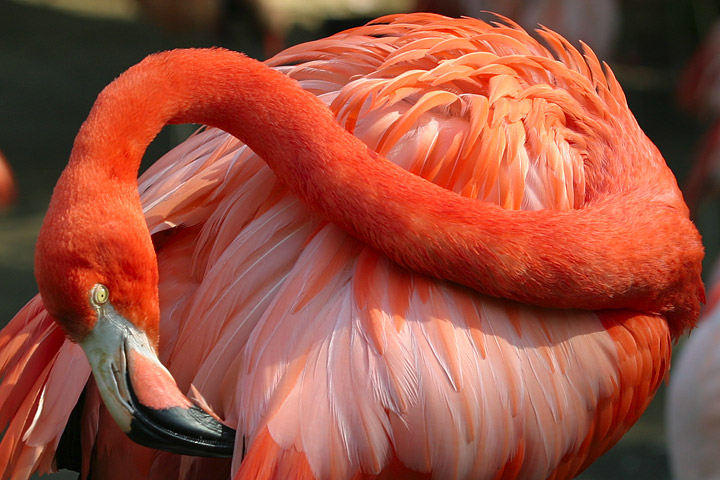
The plumage of the pink flamingo is a spectacle of beauty and complexity. The distinctive coloration of flamingos is the result of a diet rich in carotenoids, which are natural pigments found in algae, crustaceans, and mollusks. When flamingos feed, these carotenoids are metabolized and, through biochemical processes, are deposited in their feathers. Initially, chicks are born with gray plumage, acquiring the vibrant pink coloration as they consume these foods. The environment plays a crucial role in the intensity of the coloration. Flamingos in habitats with a high concentration of carotenoids tend to display more vivid hues. Conversely, in areas where the supply of carotenoids is scarce, the plumage may become pale or even exhibit a whitish coloration. Besides diet, temperature and salinity levels of the water influence the availability of these nutrients. Interaction with other species can also affect the coloration of flamingos. For example, in environments with many predators, the pressure to camouflage may result in the selection of individuals with more discreet plumage. Exposure to sunlight and humidity are also important factors; excessive exposure can cause discoloration, while a balanced environment keeps the plumage vibrant. The capture and conservation of the pink flamingo are imperative, as its unmistakable plumage is a symbol of ecological health. The study of bird coloration, such as that of the flamingo, reveals the intrinsic relationship between organisms and their habitat. To learn more about the nuances of different species, explore this toucan.
The Ideal Habitat
The pink flamingo, with its impressive plumage, primarily inhabits wetland and coastal areas. These environments include shallow lagoons, salt flats, and marshes. What makes these habitats ideal is the combination of shallow water and an abundance of food, such as algae and crustaceans. Additionally, the soil in these locations is often rich in minerals, providing essential nutrients.
The lagoons are teeming with life, and the presence of rich sediments is fundamental. These sediments attract microorganisms and other small organisms that serve as food. During feeding, the flamingo employs a fascinating behavior: it leans forward, dipping its head into the water. This action allows food to be filtered through its special structures in the beak.
However, these delicate habitats face significant threats. Water pollution, overexploitation, and climate change are just a few of the threats affecting the balance of these ecosystems. The destruction of habitats not only impacts the flamingo population but also biodiversity as a whole. The conservation of lagoons and marshes is vital, as they play a crucial role in the water cycle and pollutant filtration.
The protection of these environments should be a priority. Armies of organizations and scientists are working to restore and preserve these ecosystems. It is essential to understand that the survival of the pink flamingo is closely linked to the health of its habitat. Knowledge and awareness about the importance of these areas must be disseminated.
When we talk about conservation, we remember that preserving wildlife is an act of respect for nature. To learn more about the impact of conservation on other species, you can visit this link.
The Diet and Feeding Habits
The pink flamingo has a unique diet, which is fundamental for its health and vibrant coloration. This magnificent bird primarily feeds on aquatic organisms, such as small crustaceans, algae, and insect larvae. These foods are rich in carotenoids, which are the pigments responsible for the pink color of its feathers. The color of the flamingo is a direct reflection of its diet. The more carotenoids it consumes, the more intense its plumage color becomes.
The feeding strategy of the pink flamingo is fascinating. With its specialized beak, which has a distinct curvature, it is capable of filtering food from the water. By dipping its beak into the water, the flamingo uses its tongue appropriately. The suction movement made by the tongue helps pull in the water, and thus, small food items are retained. The beak also has lamellae, small tooth-like structures that act as a net, preventing food remnants from escaping.
This feeding behavior is often carried out in shallow waters, where the sediment consistency and organism density are suitable. The flamingo then swings its head side to side, filtering the water and capturing essential nutrients. It is under this rhythmic dance that it demonstrates perfect adaptation to its environment. The beak, designed for its feeding practices, is a wonderful example of how nature shapes forms and functions. For more information on adaptations in nature, check out this interesting article about the Anhinga.
Social Behavior and Colonies
Pink flamingos are notoriously social. They form large colonies, which can consist of thousands of individuals. These colonies are fundamental for their survival and reproduction. Group living offers protection against predators and improves feeding success. Flamingos gather in marshy areas, preferring locations with shallow water and rich in food, such as small crustaceans and algae.
An intriguing aspect of flamingo behavior is the courtship ritual. During the breeding season, males engage in elaborate displays to attract females. They dance, stretch their necks, and flap their wings, creating a magnificent spectacle. These choreographies are a way to demonstrate health and vigor, desirable traits in a partner. Chosen females often join the male in pairs, strengthening the formation of lasting bonds.
The social interactions among flamingos are complex. Community care is evident, as adults often help protect and feed the chicks, creating a safe environment. Additionally, flamingos communicate through a variety of vocalizations, each with its own meaning. These sounds not only serve to identify group members but also to coordinate foraging activity.
The harmony of the colonies is reflected in how flamingos organize themselves for feeding. They adjust their movements and positions to optimize food capture, demonstrating impressive collaboration. Therefore, these fascinating birds exemplify the beauty of communal life, where each member plays an essential role in the survival of the group. To learn more about the complexity of animal behavior, including other birds, check out this article.
Conservation and the Future of Flamingos
Pink flamingos, with their vibrant color and graceful posture, are victims of significant threats. Habitat destruction, due to urbanization and intensive agricultural practices, puts their nesting sites at risk. Water pollution, resulting from the use of chemicals, contaminates the flamingos’ food sources, affecting their health and reproduction. Furthermore, climate change alters water levels and salinity of habitats, making them less suitable for the survival of these majestic birds.
Conservation initiatives have multiplied in response to these challenges. Conservation organizations, in collaboration with local governments, are implementing habitat restoration projects. Several national parks now include protected zones for flamingos, creating safe sanctuaries for their reproduction. Monitoring programs have been developed to track populations and the ecological health of these environments.
Educating local communities about the importance of flamingos and their habitats is a priority. Community involvement is crucial for the success of conservation efforts. Many projects offer sustainable alternatives to traditional practices that harm these birds. Awareness helps create a sense of responsibility and protection towards the environment.
Academic research also plays a vital role. Studying the migratory and reproductive behaviors of flamingos allows for a better understanding of their needs. This, in turn, aids in formulating more effective conservation strategies. The preservation of pink flamingos is a matter of ecological balance and cultural heritage. Every step towards conservation is a step towards a future where these birds can thrive. To learn more about how some communities are preserving wildlife, you can visit this article.
Conclusions…
The pink flamingo is a wonder of nature, standing out not only for its unique beauty but also for its complex social behavior and vital role in ecosystems. Preserving the habitat and understanding their needs is essential to ensure their continuity.
Did you know?
What is the diet of the pink flamingo?
The diet of the pink flamingo consists mainly of algae, crustaceans, and small mollusks, which they filter from the water using their specialized beak.
Where do pink flamingos live?
Pink flamingos are primarily found in shallow aquatic regions, such as salt lagoons, mangroves, and estuaries, in various parts of the world.
Why are flamingos pink?
The vibrant pink color of the flamingo comes from carotenoid pigments found in the foods they consume, such as algae and crustaceans, which are rich in beta-carotene.
How do flamingos communicate?
Flamingos communicate through complex vocalizations, including grunts, and use body movements to express social behavior.
What is the conservation status of the pink flamingo?
Currently, the pink flamingo is not classified as threatened, but the conservation of its habitats is vital to maintaining a stable population.