Black-Headed Vulture
The black-headed vulture, a majestic and vital bird, plays a crucial role as a scavenger in the ecosystem. In this study, we will explore its characteristics, habits, environmental importance, and the threats it faces, as well as its presence in various regions of the Americas.
Physical and Behavioral Characteristics
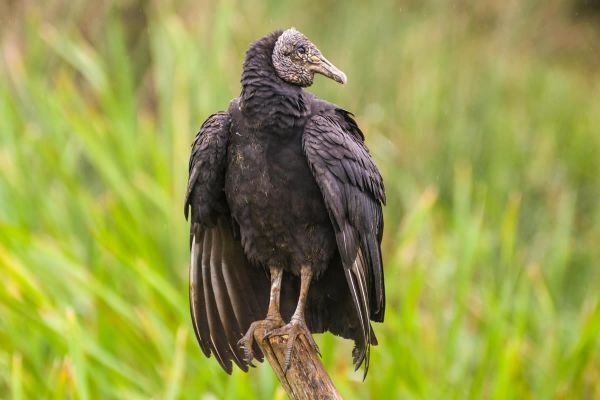
The black-headed vulture, known for its unmistakable appearance, has a robust body measuring between 60 and 70 cm in length. Its plumage is predominantly black, with a slightly bluish sheen that stands out in sunlight. The absence of feathers on its head is notable and serves a vital purpose: it facilitates cleaning after feeding on carrion. This characteristic, although it may seem strange, is essential as it reduces the accumulation of germs. Vultures are mostly social birds, often seen in large groups. They have the ability to fly long distances, using thermal currents to gain altitude. When gathered, social interactions are evident, with vocalizations that sound like grunts and calls. The black-headed vulture is an efficient scavenger, primarily feeding on dead animals. Its diet consists largely of carrion, and sometimes it can be seen consuming garbage and urban waste. This behavior plays a crucial role in nature, helping decompose organic matter and contributing to environmental health. The birds also exhibit group vigilance behavior, where one individual watches the horizon while others feed. This dynamic not only increases the effectiveness of food searching but also provides protection against predators. For a deeper exploration of the life of scavengers, refer to this article detailing the fascinating interaction of birds with their ecosystem.
Ecological Role
The black-headed vulture, with its undeniable role as a scavenger, plays a crucial part in the ecosystems it inhabits. By feeding on dead animals, this bird helps eliminate carcasses that would otherwise become disease hotspots. The presence of vultures reduces the risks of pathogen outbreaks, thus contributing to environmental health. These birds are adapted with an extremely efficient digestion system, allowing them to process bacteria and parasites without contracting diseases. The black-headed vulture has a robust immune system. This makes it an essential agent in decomposition, as its droppings and food remains help fertilize the soil. This decomposition process benefits local flora, ensuring that vegetation thrives. It is a symbiotic relationship, where the vulture promotes environmental health while satisfying its nutritional needs. Furthermore, its foraging activities distribute nutrients across the landscape. The impact on the nutrient cycle is significant, as it promotes microbial life in the soil, fundamental for ecosystem productivity. Therefore, the importance of the black-headed vulture’s diet transcends its individual survival. It protects environmental health and controls diseases that would affect other species. To understand the complexity of interconnected life cycles, it is fascinating to consider the ongoing and vital role of these magnificent scavengers. For more information on the importance of scavengers in nature, see this article about the contribution of beetles in decomposition.
Geographic Distribution
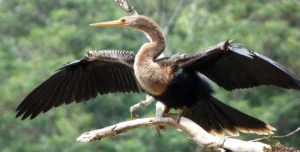
The black-headed vulture, one of the most fascinating birds in the vulture family, has a wide geographic distribution across the Americas. It can be found from the southern United States to northern Argentina and in parts of Bolivia and Paraguay. This avifauna adapts to a variety of habitats. Tropical forests, savannas, wetlands, and even urban areas are among its preferences. Being a scavenger provides it with advantages in diverse environments. The vulture feeds on carcasses, taking advantage of resources available in different locations. Additionally, its ability to fly long distances is crucial for exploring new habitats. Air currents facilitate movement, allowing them to seek food and shelter in different regions. This flexibility is vital in times of food scarcity. Urban areas have become an unexpected and successful habitat for the black-headed vulture. The presence of garbage and other food sources in cities provides a diverse diet. Thus, the vulture has become a common inhabitant in many urban centers in Latin America. Besides green areas, it is common to see them in agricultural lands and pastures, where the decomposition of organic matter is abundant. This adaptation has helped the species thrive in a constantly changing world. For more information on bird diversity in different habitats, visit Biguatinga – The Fascinating Bird of Brazilian Waters.
Threats and Conservation
The black-headed vulture faces various threats that affect its survival. Habitat loss is one of the most significant. With the advance of urban areas and agricultural exploitation, the natural environments where these birds feed and nest are diminishing. Pollution also plays a crucial role. Urban waste and chemicals contaminate ecosystems, directly affecting the health of local fauna. Ingestion of garbage and contaminants can lead to diseases and premature death in vultures. Furthermore, hunting and persecution also pose threats. Often, these magnificent scavengers are misunderstood and considered dangerous or bearers of bad luck. This leads to illegal actions that affect their populations. The interdependence between the black-headed vulture and the ecosystems it inhabits is vital. They play an essential role in cleaning carcasses, helping to prevent the spread of diseases. However, there are conservation initiatives. Local and international organizations work to preserve the critical habitats of these vultures. Environmental education programs aim to change negative perceptions about these birds. Volunteers participate in monitoring projects to assess populations and environmental health. Protecting natural areas and creating reserves are fundamental steps. To ensure the survival of the black-headed vulture and the health of ecosystems, protecting this species is vital. Awareness and collective action are key. For more information on the importance of conservation, check out this article on the nature of birds.
Culture and Perceptions
The image of the black-headed vulture evokes various reactions in the cultures of the Americas. In myths and superstitions, this bird is often associated with death and mourning. For many, its solitary flight is a harbinger of disaster, marking the presence of the beyond. However, these perceptions are not universal. In some regions, the vulture is seen as a symbol of rebirth and transformation, highlighting its vital role in nature. Among indigenous peoples, the vulture carries profound meanings. Many tribes believe it is a spiritual messenger, a guide that helps transition between worlds. This view contrasts with Western conceptions, which often demonize the bird. The presence of the vulture in popular myths is notable. In some stories, it appears as a trickster, a clever figure that teaches valuable lessons about survival and adaptation. In others, it is the villain, the unwanted predator that exploits human weaknesses. Beyond symbolism, the perception of the black-headed vulture is also influenced by direct observation. Many recognize its crucial role in cleaning the environment. This healthy and resilient bird maintains ecological balance by feeding on carrion and contributing to habitat health. For all these reasons, society is slowly beginning to value the vulture more, reconsidering its myths and reaffirming the ecological importance of this fascinating flyer. For more information on animal diversity and their interactions, check out this link.
Conclusions…
In summary, the black-headed vulture is a fascinating bird that plays a vital ecological role. Its preservation is crucial for the health of ecosystems, and it is imperative that we continue to educate and protect its habitat to ensure that these birds continue to thrive in the Americas.
Did You Know?
What is the importance of the black-headed vulture in the ecosystem?
The black-headed vulture is vital in the ecosystem as it acts as a carrion eliminator, helping control diseases and keeping the environment clean.
What are the main feeding habits of the black-headed vulture?
This bird primarily feeds on carrion, but it can also consume food scraps discarded by humans, demonstrating an adaptation to different food sources.
How does the black-headed vulture adapt to its habitats?
The black-headed vulture can be found in various regions, from forests to urban areas, adapting its feeding and behavioral habits to survive in different environments.
What are the main threats faced by the black-headed vulture?
The main threats include habitat destruction due to urbanization, accidental poisoning from pesticides, and pollution, which affect its food supply.
Is the black-headed vulture protected by any legislation?
Yes, in several regions, the black-headed vulture is protected by environmental laws aimed at conserving its population and natural habitat.