Silver Gull: Guardian of the Coasts
The silver gull, with its contrasting plumage of white and gray, is a fascinating bird that inhabits the coasts of our continent. In this article, we will dive into the peculiarities of this species, its habitat, feeding habits, and the social behavior that makes it one of the icons of coastal zones.
Getting to Know the Silver Gull
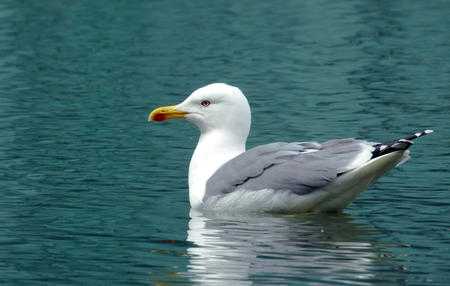
The silver gull is a majestic bird that inhabits coastal areas. Its plumage is predominantly gray, with a soft tone that reflects sunlight. The feathers on its back are darker, creating a subtle contrast against the bright white underside. This color pattern is a crucial adaptation. It helps camouflage the bird against predators and also allows it to blend in with the clouds and sea foam.
The gull’s beak is long and sharp, crowned with a red tip. This feature is especially useful for foraging. Gulls can easily break the shells of mollusks and crustaceans, an admirable skill. They are also opportunistic, taking advantage of food scraps left by humans on the beaches.
Its legs are strong and adapted for walking and running on wet sand, providing excellent stability. The toes have webbing that aids in swimming, allowing the gull to dive gracefully. Its wide and powerful wings are a marvel of evolution. They enable these birds to glide long distances efficiently, flying elegantly over the waves.
Moreover, the silver gull has sharp eyesight, allowing it to spot prey from great distances, an advantage in its environment. This guardian of the coasts is a symbol of resilience and adaptability, a true beauty of nature that resonates deeply with the marine life surrounding it. For more on how marine life integrates into the ecosystem, check out this fascinating article on water birds.
The Coastal Habitat
The silver gull, a striking presence along the coasts, inhabits a variety of coastal environments. From the broad sands of beaches to steep cliffs, this bird adapts easily. The beaches provide a vast space where the gull can forage. The grains of sand and small marine organisms form essential diets. Here, the constant movement of the waves brings new food, such as small fish and crustaceans.
On the cliffs, it finds a safe refuge from predators. These heights provide a clear view of the sea and what lies ahead. The silver gull often perches on the edges, observing the movements of the water below. This privileged view is crucial for a hunter, who does not hesitate to dive in search of food.
In contrast, urban coastal areas present a different environment. Cities near the sea offer new opportunities. Humans, in their daily routines, generate an abundance of food scraps. The gull quickly becomes opportunistic, seizing every crumb. Urban spaces, vibrant and full of life, become an extension of this bird’s natural habitat.
The silver gull’s ability to adapt to different environments is a reason for its success. It establishes colonies in safe locations, gathers food in accessible areas, and still participates in urban life. The balance of these interactions reveals much about the resilience of coastal life. What defines its habitat is not just the place, but how the gull interacts with it, showing an intrinsic relationship with the cycle of life and the sea. For more information on marine ecology, see this article about the fascinating birds of Brazilian waters.
Feeding Behavior
The silver gull is a fascinating creature, famous for its adaptability in search of food. Its diet is predominantly composed of fish, crustaceans, and smaller birds, but its opportunistic nature leads it to explore a variety of nutritional sources. When the water masses are calm, the gull dives with precision. Its fishing ability is admirable; it uses its sharp vision to detect the movement of prey on the surface. Upon spotting a school of fish, the gull spreads its wings and, with a precise strike, captures the fish mid-flight.
This bird also excels at foraging in coastal environments. The beach transforms into its personal restaurant. Many individuals search among the rocks, taking advantage of the crustaceans exposed by the tide. The habit of turning over sand and rocks reveals the gull’s cunning. It is often seen feeding on scraps left by fishermen. However, the gull is not limited to being a simple predator or forager; it is also a clever opportunist.
Silver gulls do not hesitate to use flock tactics to steal food from other birds. This behavior is emblematic of their social intelligence and adaptability. By joining in groups, they become more effective in searching for food, and the intimidation of other species results in a feast. The ability to exploit different food sources ensures that the silver gull maintains the essential vitality in its habitat, establishing it as a true guardian of the coasts. For a closer look at the adaptability of species, explore this article on the incredible adaptability of other creatures.
Social Interactions
Silver gulls are true examples of sophisticated social interactions. They organize into large colonies along the coasts, where collaboration is essential for survival. Communication among individuals is filled with distinct vocalizations. These cries and calls emit alerts about dangers, locate partners, and facilitate communication when searching for food. Each vocalization carries a meaning, making their language rich and complex.
Within the colonies, hierarchy is an important aspect. Older gulls typically occupy prominent positions, ensuring access to resources. The young, eager to learn, observe the interactions of adults and, in time, ascend the social hierarchy. This learning system is crucial for survival.
Moreover, social interaction promotes cooperative behaviors. Raising the young is a shared effort. Both males and females take turns protecting and feeding the young. This dynamic not only strengthens family bonds but also ensures that the next generation has a better chance of survival.
The role of silver gulls in coastal ecosystems is undeniable. They act as indicators of environmental changes. Their social behavior reflects the health of the ecosystem, highlighting the interconnection between various species. Understanding these interactions is essential to grasp the dynamics of coastal life. For more on marine life, check out the fascinating cormorant, a bird that also plays an important role in aquatic ecosystems.
The Importance of Conservation
The silver gull, with its majestic wings and piercing cries, stands out not only as a symbol of the coasts but also as an indicator of the health of our marine ecosystems. Its survival is intrinsically linked to the quality of coastal habitats. The degradation of these environments, caused by pollution and urbanization, poses a direct threat. As birds that depend on the richness of the seas for food, gulls are vulnerable to changes in their environments. Fewer fish and food resources mean a bleak future for these birds.
Protecting coastal habitats is therefore essential. This protection not only ensures the survival of the silver gull but also saves countless other marine species that share these ecosystems. Mangroves, coral reefs, and coastal zones are not only shelters for wildlife but also serve to filter pollutants and protect against erosion. The destruction of these environments results in systemic consequences for the biodiversity we depend on.
We can all contribute to this effort. Measures such as reducing plastic waste on beaches and supporting conservation programs are crucial. Environmental education also plays a vital role. By understanding the importance of the silver gull and its habitat, we are more likely to act in defense of the environment. Hand in hand, we can ensure that future looks at the sky reveal not only the silver gull but also the vibrant life of the coasts it protects. For more information on how to protect marine life, consult this article.
Conclusions…
The silver gull is more than a coastal bird; it is a symbol of adaptability in nature. Its opportunistic behavior and social interaction highlight the complexity of relationships in the marine ecosystem. Understanding this species is essential to appreciate the delicate balance of coastal life.
Did You Know?
What is the habitat of the silver gull?
The silver gull is commonly found on beaches, rocky coasts, and port areas. It is adaptable and can be seen in urban environments near the coast.
What is the diet of the silver gull?
The diet of the silver gull is quite varied, including fish, invertebrates, and human food scraps, demonstrating its opportunistic behavior.
How do gulls communicate?
Silver gulls have a variety of vocalizations and body behaviors, such as postures and movements, that they use to communicate with each other.
Is the silver gull a migratory bird?
Yes, the silver gull exhibits migratory behavior, moving in search of food and favorable climatic conditions in different seasons of the year.
How to preserve the habitat of the silver gull?
Protecting coastal areas and avoiding marine pollution are essential steps for the conservation of the silver gull and its natural habitat.