The Fascinating World of Dragonflies
Dragonflies, with their large eyes and translucent wings, are extraordinary beings in the animal kingdom. In this article, we will explore their unique characteristics, their importance in the ecosystem, their lives as predators, and the threats they face.
Strange Characteristics
Dragonflies create a visual spectacle in our aquatic habitats and riverbanks. Their large compound eyes, made up of thousands of facets, provide an almost omniscient view. This is crucial for predators. With this adaptation, they can detect even the slightest movements in their surroundings.
The long, colorful wings are another fascinating feature. They allow for fast and agile flight. The pattern and coloration of the wings not only enchant observers but also play a vital role in hunting. In mid-flight, a dragonfly can change direction instantly, surprising its prey and evading predators.
The slender body of dragonflies, with its aerodynamic design, complements these features. This shape allows them to cut through the air easily and mimic acrobatic footballers while maneuvering. The combination of a slender body and long wings makes the dragonfly a flight artist, performing stunts that defy gravity.
Moreover, this structure is not just aesthetic; it is functional. Dragonflies often hunt in groups, using their flying skills to communicate and coordinate during the hunt. They pursue prey, such as mosquitoes and other small flying creatures, capturing them with their sharp mandibles. Indeed, the acrobatic skills of dragonflies are a testament to evolution and adaptation in a world where being a predator is essential for survival.
Agile Predators
Dragonflies are formidable predators, true masters of the art of hunting. With wings that beat in perfect synchrony, they perform impressive acrobatic maneuvers. This ability allows them to chase their prey with deadly precision. At high speeds, these creatures can reach up to 60 kilometers per hour, making them efficient hunters in their aquatic and terrestrial habitats.
A fascinating feature is their field of vision, which spans nearly 360 degrees. This is possible thanks to their large compound eyes. They can detect subtle movements in the environment, allowing them to glimpse potential prey from a considerable distance. When a dragonfly approaches an insect, it is already preparing for an attack, with calculated and determined movements.
When capturing their prey, usually flies or other flying insects, dragonflies use their sharp claws. They grab the prey mid-flight, using the force of momentum. After capturing it, they can consume the food while flying, satisfying their nutritional needs and ensuring they do not waste time.
These windows of opportunity are unique and quick, and every movement is vital. Hunting techniques vary according to species and habitat. Some dragonflies, for example, prefer to hunt among aquatic plants, while others chase their prey in the air. This diversity of feeding strategies reflects the adaptability and efficiency of dragonflies in their ecosystem. For a deeper understanding of the behavior of agile predators in nature, this article on bats may offer relevant insights into hunting strategies and evolutionary adaptations.
Life Cycle and Reproduction
Dragonflies amaze with their fascinating life cycle. The cycle begins with oviposition, where the female lays eggs on the water’s surface or in aquatic vegetation. These small, delicate eggs can take days or weeks to hatch. The larvae emerge, entering the underwater world. At this stage, they are known as nymphs and live for months or even years. The nymphs are voracious predators, feeding on small invertebrates and even other fish, using their extendable mandibles to capture prey. This stage is crucial, as the nymphs face a series of challenges. Predators such as fish and other aquatic insects threaten their survival. Additionally, temperature variations and water quality are essential factors that influence the development of the larvae. Once they reach maturity, the nymphs rise to the water’s surface and cling to vegetation. This transition is a critical moment; any sudden movement can expose them to predators. Next, metamorphosis occurs, where the exoskeleton breaks, and the adult dragonfly emerges. This process is spectacular, revealing an imposing organism with iridescent wings and a slender body. However, even adult dragonflies face dangers; they must quickly learn to fly and find food. The struggle for life is constant, and each stage of the cycle is filled with challenges. This ongoing battle for survival ensures that only the most adapted individuals thrive. To understand more about the intricate relationships in aquatic ecosystems, also see this reflection on the importance of predators, such as dragonflies, in this article.
Ecological Importance
Dragonflies are more than charming creatures; they play a vital role in aquatic ecosystems. As agile predators, they significantly influence insect populations in their habitats. Dragonflies capture and consume a variety of prey, including mosquitoes and other small flying insects. This action controls pest populations, helping to maintain balance in ecosystems and functioning as a natural control factor.
In addition to being effective predators, dragonflies also serve as indicators of environmental health. They are sensitive indicators of environmental changes, including pollution and habitat degradation. When water quality declines due to pollutants or environmental alterations, dragonflies often decrease in number or disappear. Thus, the presence or absence of these creatures can signal ecological problems, alerting scientists and conservationists to the health of aquatic ecosystems.
This ecological value is reinforced by the life cycle of dragonflies. They begin their lives in water, where the larvae inhabit aquatic ecosystems for months or even years. During this time, these larvae constitute an important food source for other organisms, including fish and amphibians. Thus, dragonflies not only regulate insect populations but also fit into a broader food chain.
In summary, the vibrant presence of dragonflies in bodies of water is a sign of healthy ecosystems. For a deeper insight into the complexities of aquatic life, I recommend reading about the **anhinga**, a bird that also depends on these habitats.
Threats and Conservation
Dragonflies, magnificent winged predators, face various threats in their natural habitats. Habitat destruction is one of the most concerning. Urbanization, intensive agriculture, and wetland drainage are practices that reduce vital areas for these insects. Without adequate spaces to reproduce and feed, dragonfly populations decrease drastically. Another critical factor is water pollution. Water bodies, essential for the life of dragonflies in their larval stage, are being contaminated by chemicals and waste. This not only directly affects the larvae but also interferes with the ecological balance of wetlands. Climate change poses an increasing threat. Changes in climate patterns influence temperature and water levels, impacting habitat availability and the synchronization of life cycles. Some species of dragonflies have already shown changes in their populations due to climate variations. In the face of these challenges, conservation initiatives have emerged. Habitat restoration projects, including replanting native vegetation and cleaning water bodies, are crucial. Environmental organizations are promoting education about the importance of dragonflies and encouraging sustainable practices. Although the situation is alarming, awareness and societal engagement can make a difference. The preservation of dragonflies is vital not only for ecosystems but also for the natural beauty they represent. For more information on the importance of habitats, you can check out this article on the conservation of natural environments.
Conclusions…
Dragonflies play a crucial role in our ecosystems, acting as predators and bioindicators of environmental health. It is essential to protect these magnificent insects to ensure biodiversity and the health of our natural environments.
Did You Know?
What are dragonflies?
Dragonflies are insects belonging to the order Odonata. They are known for their agile flight and hunting skills.
What is the importance of dragonflies in the ecosystem?
Dragonflies help control insect populations, serving as predators and also as indicators of clean and healthy water.
What threats do dragonflies face?
Dragonflies face threats such as habitat loss, pollution, and climate change, which can impact their populations.
How do dragonflies reproduce?
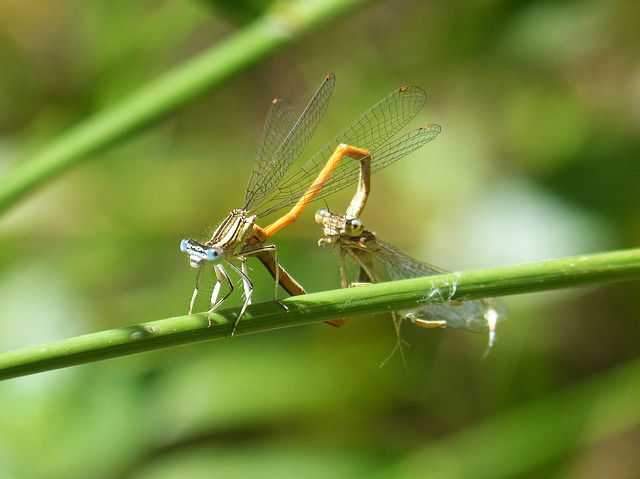
Dragonflies reproduce in water, where males defend territories and mate with females. After copulation, they lay eggs in aquatic habitats.
What is the difference between dragonflies and flies?
Dragonflies are predators and have long, delicate wings, while flies are considered more common insects and are not predators.