Ghost Moth: The Ethereal Elegance That Floats
In the realm of insects, a creature draws attention for its ethereal beauty: the ghost moth. With the delicate appearance of a specter, this fascinating being is not just a sight but a symbol of mystery in nature. In this article, we will explore its biology, habitat, behavior, and the impact these beings have on the ecosystem.
The Enchantment of the Ghost Moth
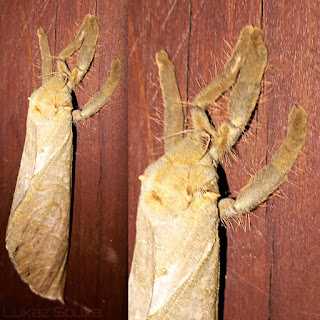
The ghost moth, with its ethereal silhouette, is a spectacle that enchants and fascinates. Its delicate, almost translucent body conveys a sense of fragility. The wings, in soft shades of gray, blue, and silver, come to life when illuminated by moonlight. They seem to almost float, moving with a grace that defies gravity. The pattern that forms on its wings is reminiscent of an impressionist painting, full of nuances that change with the angle of light.
The beauty of the ghost moth lies not only in its colors but also in the shapes that compose it. Its wide, delicate wings open in a shape that resembles a gentle dance in the air. The irregular contours create an intriguing contrast between the art of nature and geometric perfection.
The moth has an almost ghostly appearance, particularly at dusk when its wings begin to glow subtly. This unique approach to camouflage not only protects it from predators but also makes it a symbol of mystery. It seems to be a projection of ethereal dreams, a testament to the ephemeral beauty of life.
Encounters with these enchanting beings are rare, which only increases their appeal. When we see a ghost moth, it feels as if time stands still. In that moment, we are reminded of the pure magic of nature. Its way of floating is a dance that hypnotizes us and connects us to something greater, something deeper. To learn more about the beauty of nature, explore this article on fascinating beetles.
Biology and Life Cycle
The ghost moth, with its ethereal aura, undergoes a fascinating life cycle marked by extraordinary metamorphosis. The cycle begins with the female laying pale yellow eggs on suitable surfaces, usually on the leaves of host plants. These eggs are almost invisible and may go unnoticed at first glance. After a few days, the eggs hatch, giving rise to smoky caterpillars that emerge in search of food.
These caterpillars, in their youth, voraciously feed on leaves, growing rapidly and shedding their skin multiple times. This molting process is crucial, as the caterpillar must significantly increase its size before entering the pupal stage. The larval stage can last several weeks, during which the caterpillar accumulates the energy and nutrients necessary for the subsequent transformation.
Once the caterpillar is sufficiently developed, it seeks a safe place to transform. At this moment, it forms a chrysalis, where metamorphosis will occur. This stage can last from a few days to weeks. Inside the chrysalis, the caterpillar dissolves into a mass of cells that reorganize to form the adult. Finally, the ghost moth emerges, with its developing wings that, once dry, reveal stunning patterns.
The ethereal beauty of the ghost moth is not limited to its appearance but also extends to its life filled with transformations. Each phase of this cycle is a masterpiece of nature, a testament to the complexity of life. To understand more about fascinating adaptations in nature, see this article on the squid, which also reveals survival secrets.
Habitat and Distribution
The ghost moth, with its ethereal characteristics, often inhabits dense, humid forests. This fascinating insect is more common in tropical and subtropical regions, where lush vegetation provides shelter and food. It can be found in countries like Brazil, Costa Rica, and parts of Asia. This environment favors its camouflage, allowing it to go unnoticed among the shadows of leaves. The climatic conditions are essential for the survival of the ghost moth. Moderate temperatures and high humidity are preferred. In tropical forests, the vegetation covers the ground like a protective canopy, reducing the intensity of sunlight. This creates an ideal microhabitat for reproduction and feeding. The ghost moth adapts well to humidity and requires constant sources of water to develop. Its eggs are laid on specific plants, which serve as food for the newly hatched larvae. Thus, the health of the local ecosystem is vital for the continuity of its species. Furthermore, habitat fragmentation due to deforestation and urbanization poses a threat. This loss of natural habitat compromises the availability of essential resources. The moth needs space to reproduce and feed. The preservation of tropical forests is crucial for various reasons, as mentioned in other articles on biodiversity. By understanding the habitat of the ghost moth, we can better appreciate its unique adaptations and the importance of its preservation.
Behavior and Interactions
The ghost moth, with its almost mystical presence, exhibits intriguing behaviors. At night, when darkness takes over the environment, they gracefully fly among the flowers in search of nectar. This food is vital for acquiring the energy necessary for their nighttime activities. Their ability to navigate in the dark is remarkable. With highly sensitive antennae, they can detect flower scents from a distance. Moreover, the ghost moth displays a delicate dance while feeding, using its long proboscis to extract nectar. This interaction is crucial, as it contributes to the pollination of nocturnal plants, allowing the continuity of life cycles in the forest.
The moths also have complex social interactions. They can be seen gathering in large numbers during the mating period. This social behavior seems to be a ritual aimed at attracting partners, where males display their vibrant colors to enter the dance of attraction. During the day, their camouflage protects them from predators, taking advantage of physiological rest in shadows and leaves, showcasing the wisdom of their evolution. However, it is not only the exotic and fascinating predators that threaten the ghost moth. They also face competition from insects like bees, which compete for nectar from the same flowers. Their survival strategies include the ability to remain motionless, mimicking dry leaves, becoming almost invisible. Nature, with its eternal cycle of challenges, is the home of this ethereal moth. To explore another facet of nature, read about the intelligence of jumping spiders here.
Ecological Importance and Conservation
The ghost moth, with its ethereal beauty, plays a vital role in the balance of its ecosystem. Moths, as pollinators, facilitate the reproduction of many plants. These plants, in turn, are the backbone of various food chains. While floating in the twilight of the forest, young moths feed on leaves, contributing to the health of plants by controlling the growth of certain species. This balance is crucial for biodiversity and the stability of the habitats in which they live.
Preserving ghost moths is not only important for the aesthetics of nature; it is essential for the maintenance of ecosystems. When the population of these insects declines, the consequences ripple out, affecting other species and ultimately humans. Moths are sensitive bioindicators, and their absence can signal hidden problems in an environment.
However, these delicate insects face significant challenges. Habitat loss, often driven by urbanization and agricultural practices, continues to threaten their breeding areas. Additionally, climate change alters their life cycle and food availability. Rising temperatures and changing climate patterns influence where and when moths can reproduce and feed, creating a vicious cycle of population decline. Therefore, it is imperative that we adopt significant efforts in conservation and protection of natural habitats. Preserving these landscapes is vital to ensure a future for the ghost moth and, consequently, for the health of our planet. To learn more about the importance of biodiversity, check out this article on biodiversity and ecological interactions.
Conclusions…
The ghost moth is a marvel of nature that encapsulates the fragility and beauty of life. It reminds us of the importance of preserving our natural surroundings. Understanding these creatures is crucial for the conservation and respect for the biodiversity that surrounds us.
Did you know?
What is the ghost moth?
The ghost moth is a rare species of insect notable for its delicate appearance, which seems to float ethereally in the air.
Where can the ghost moth be found?
This moth inhabits specific areas, predominantly in tropical forests and regions with an abundance of flowers for feeding.
What is the life cycle of the ghost moth?
The life cycle of the ghost moth includes the stages of egg, larva (caterpillar), pupa (chrysalis), and adult, with complete metamorphosis.
Why is the ghost moth important for the ecosystem?
It plays a fundamental role as a pollinator, contributing to the biodiversity and health of the ecosystems where it lives.
How can we help in the preservation of the ghost moth?
Promoting the conservation of natural habitats and supporting environmental protection initiatives are crucial steps for the preservation of the ghost moth.