The Fascinating Sand Tiger Shark
The magnificence of the sand tiger shark, known as Galeocerdo cuvier, is revealed in its antics from the ocean depths. This article dives into its ecology, behavior, importance in the marine ecosystem, and the intriguing reproductive dance that often culminates in tonic immobility.
The Anatomy of the Sand Tiger Shark
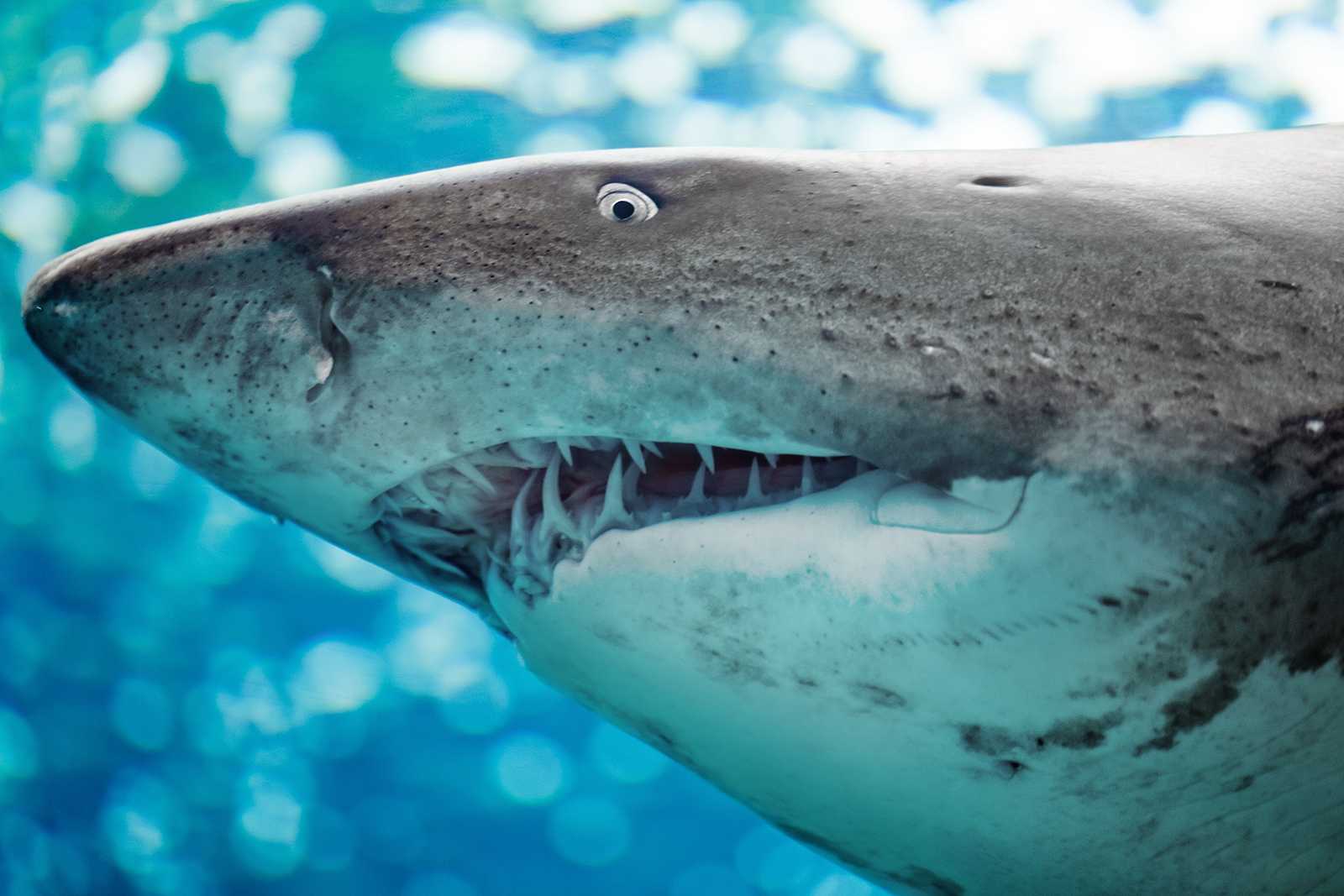
The sand tiger shark, the fabulous Carcharias taurus, is one of the most intriguing species among sharks. This majestic predator can reach up to four meters in length, although some exceptional individuals may exceed this mark. Its robust and muscular form is perfectly adapted to its role as a voracious predator in marine ecosystems. What is most captivating are the features that make this shark an effective hunter.
The coloration of the sand tiger shark is one of its most notable adaptations. Its back is a mix of gray and brown tones, allowing it to camouflage perfectly against the sandy ocean floor, while its belly is lighter. This coloration provides effective camouflage against predators and prey, an evolutionary tactic that ensures its survival.
Its jaws are another marvel of evolution. Equipped with rows of sharp, serrated teeth, they are designed to tear flesh. This dental arrangement allows the shark to capture and retain its prey, which includes a variety of fish, squid, and even other sharks.
Moreover, the sand tiger shark exhibits fascinating behavior while hunting. It uses its acute sensory skills to detect vibrations and scents in the water. This ability, combined with its coloration, makes it a perfect predator in the marine environment. Thus, the sand tiger shark stands out as a true titan of the oceans, adapted to thrive in its habitat.
To learn more about other fascinating animals, visit this link.
Behavior and Habitat
The sand tiger shark, a magnificent marine creature, is found in various regions along the coast. It prefers coastal habitats, such as coral reef zones and estuaries, where the waters are shallower and teeming with life. Its behavior can vary drastically depending on the environment it inhabits.
In the reef environment, the sand tiger shark displays a more curious and social behavior. Typically, it observes the movement of other species, interacting with fish that venture near its territory. These encounters, although often brief, illustrate the intelligence and adaptability of the shark in pursuit of prey. With the presence of other predators, it becomes more cautious, adopting a heightened vigilance posture.
In estuarine areas, the sand tiger shark reveals a different side. Here, its diet becomes more diverse. It feeds on small fish, crustaceans, and even birds that come close to the water. The use of camouflage is an effective strategy in sandy environments, where it blends with the ocean floor, lying in wait for unsuspecting prey.
In addition to its excellence as a solitary hunter, these sharks are sometimes observed forming small groups. This social interaction can be seen during migration to feeding areas, demonstrating an intriguing dynamic in their oceanic crossings. Life in this habitat is a dance between predator and prey.
For more information about marine life, check out this article on squids.
Reproduction and Life Cycle
The life of the giant Pacific octopus is a fascinating testament to natural beauty. From the moment the egg is fertilized, this life cycle reveals complexity and uniqueness. Each female can produce up to 100,000 eggs, carefully protected in underwater caves. The female, in an act of devotion, dedicates herself to caring for these eggs, keeping them clean and oxygenated. This parental behavior is remarkable, as it deprives the mother of food during this critical time, often leading her to a tragic end after the hatchlings are born.
The eggs, which take four to six months to hatch, are a charming sight. When they finally emerge, the hatchlings are fully independent. They quickly disperse into the waters, defying the odds against larger predators. The life of youth is a challenging existence. In the first months, the hatchlings will roam vast areas, foraging for small crustaceans and fish.
However, reproduction is not the only intriguing characteristic of octopuses. Their strategies include choosing safe spawning sites and selecting partners. Some males perform elaborate dances to attract females. These rituals play a vital role in the survival of the species, ensuring a strong and healthy offspring. Even in the extreme solitude of the deep sea, the giant Pacific octopus exemplifies the delicate dance of life. The development of its offspring is a journey filled with challenges and glimmers of hope, illustrating the complexity of nature. For more on the fascinating adaptations and behaviors of animals, refer to this article on squids.
Feeding and Hunting Strategies
The sand tiger shark is a formidable, adaptable, and cunning predator. Its diet is diverse, varying according to the availability of prey in its habitat. This shark feeds on a wide range of marine creatures. Fish, crustaceans, and even small marine mammals are part of its menu. In some regions, it also dares to consume seabirds and turtles. This flexibility in diet is one of the secrets to its survival.
The hunting tactics of the sand tiger shark are truly impressive. It uses its size and strength to intimidate its prey. With a robust and muscular body, it can swim quickly, surprising unsuspecting animals. The shark approaches cautiously, utilizing the camouflage of its stripes. This helps it blend into the marine scenery, becoming almost invisible.
The most intriguing strategy is its ability to detect vibrations and electric fields in the water. Its organs of Lorenzini are a remarkable adaptation, allowing it to locate prey buried in the sand. This ability is vital, especially in areas where hunting becomes a challenge. Upon sensing the presence of prey, the sand tiger shark can strike with lethal precision.
Additionally, they demonstrate group hunting behavior, increasing effectiveness in capturing larger prey. This collaboration among individuals enriches the hunting experience. To better understand the dynamics of predators and prey, refer to this article on the fascinating strategies that bats use in their habitats.
Conservation and Threats
The sand tiger shark, with its impressive adaptability, faces an uncertain future. The main threats to its survival come from commercial fishing and the destruction of marine habitats. As a top predator, its presence is essential for the health of ocean ecosystems. However, bycatch and targeted fishing threaten the population of this majestic shark. Sport fishing also exerts pressure, as many specimens are killed as trophies, without consideration for their ecological role. Furthermore, habitat degradation, such as coral reefs and coastal zones, compromises the locations where these sharks breed and feed. Pollution, resulting from human activities, contaminates the waters, affecting their health and reproduction. The alteration of ocean currents, caused by climate change, also modifies the distribution of their natural prey, making movement and hunting more difficult. However, some initiatives seek to mitigate these threats. Conservation projects aim to create marine sanctuaries, where fishing practices are restricted and habitats are protected. Researchers are working on monitoring programs to better understand the behavior and migratory patterns of the sand tiger shark. Education and awareness of local communities are crucial to promoting sustainable practices. Every effort, no matter how small, contributes to the conservation of this vital species. The need for action has never been more urgent. For more information on conservation, access here.
Conclusions…
The sand tiger shark is more than a formidable predator; it plays a vital role in maintaining the health of the oceans. Understanding its habits and challenges contributes to the conservation of species, ensuring a balanced future for our fragile marine ecosystem.
Did you know?
- What is the habitat of the sand tiger shark? The sand tiger shark primarily inhabits tropical and subtropical waters, frequenting coastal areas and reefs.
- How does the reproduction of the sand tiger shark occur? During mating, a peculiar tonic immobility occurs between the pairs, an interesting and rare phenomenon.
- What are the main physical characteristics of the sand tiger shark? It has a robust body, distinct vertical stripes, and can reach up to 3.5 meters in length.
- What type of diet does the sand tiger shark have? It is an opportunistic predator, feeding on fish, squid, and seabirds, but is also known to consume carrion.
- What is the importance of the sand tiger shark in the ecosystem? As a top predator, its presence is fundamental to balancing the population of other marine species and maintaining the health of the oceans.