
The Hidden Beauty of Spanish Moss
Spanish moss, or Tillandsia usneoides, captivates with its ethereal appearance and intriguing roots. In this article, we will explore its characteristics, habitat, care, and the ecological importance of this fascinating plant.
The Fascinating Morphology of Spanish Moss
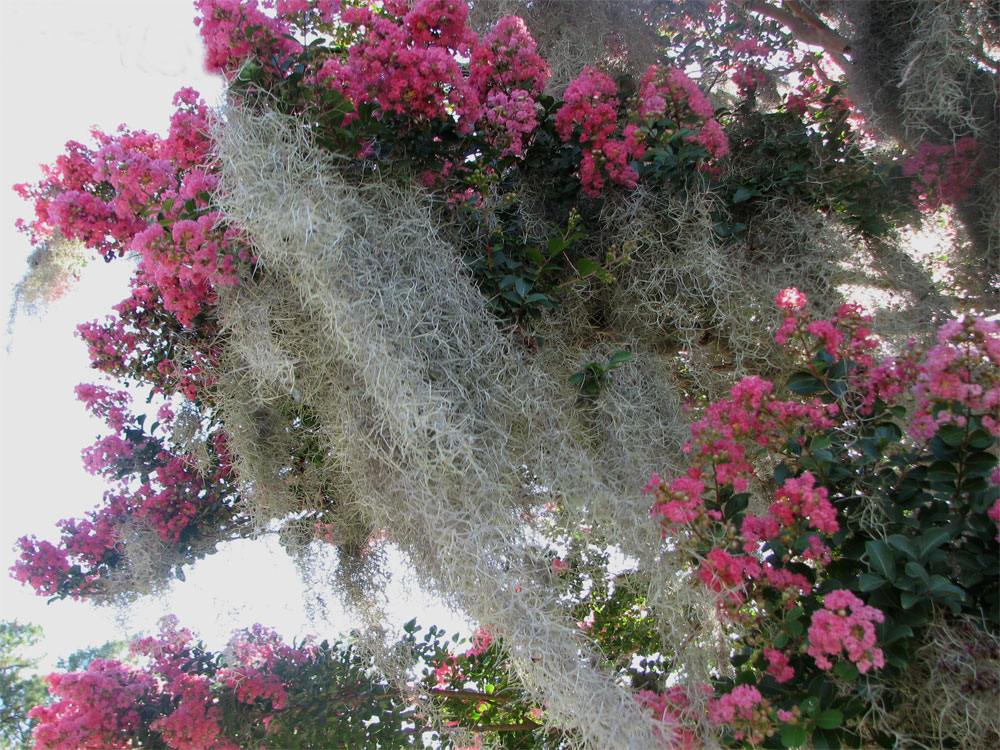
Spanish moss, scientifically known as Tillandsia usneoides, exhibits a truly fascinating morphology. Its leaves are long and thin, often hanging in various directions, creating an ethereal and almost magical effect. This delicate appearance is not mere coincidence but an adaptation to its environment. The leaves have a scaly surface that allows for the absorption of water and nutrients from the air, which is a vital characteristic in its natural habitat. Typically living in tropical and subtropical forests, Spanish moss thrives in humid and shaded environments. Its ability to attach to trees and other supports is remarkable. This not only protects it from waterlogged soil but also positions it close to light, essential for photosynthesis. The leaves, when swayed by the breeze, seem to float gently, reflecting light in a charming way. The light green color of these leaves, which can appear more silvery under sunlight, camouflages the plant among moss and other epiphytes, as if it were an intrinsic part of the ecosystem. This plant also provides shelter for a variety of small organisms, such as insects and birds, seeking refuge and food. Thus, Spanish moss not only enchants with its beauty but also plays important ecological roles. The interaction with its habitat is a spectacle of nature that deserves to be observed with reverence. To explore more about fascinating interactions in nature, check out the Biguatinga, a bird that shares this rich ecosystem.
Natural Habitat and Distribution
Spanish moss, scientifically known as Tillandsia usneoides, is a fascinating epiphyte commonly found in humid forests and areas with high humidity. Its presence is notable, from the swamps of the southern United States to the tropical forests of Central and South America. It is more frequent in temperate and tropical climates, preferring shaded and protected locations, such as the branches of trees and trunks.
The ideal conditions for the growth of Spanish moss include mild temperatures and high humidity. This plant does not require soil to grow and absorbs water and nutrients from the air and rain. Thus, proximity to moisture-rich environments is crucial for its survival. The surrounding vegetation also brings benefits, providing shade and a favorable microclimate.
The biodiversity around Spanish moss is remarkable. It coexists harmoniously with a variety of organisms. Pollinating insects, such as bees and butterflies, play a vital role in its reproduction. Additionally, birds, such as hummingbirds, frequent the plant, attracted by its delicate flowers. This interconnected ecosystem helps maintain environmental balance, promoting nutrient exchange.
Another fascinating element in this habitat is the variety of mosses and lichens, which also thrive in similar conditions. These organisms form a green carpet that enriches the soil and contributes to the humid atmosphere necessary for Spanish moss. Such interactions highlight the beauty of ecological systems, showing how each element relies on and supports the other. For more information about the complex relationship between vegetation and fauna, you can visit this article on biodiversity in aquatic areas.
Care and Cultivation in Domestic Environments
Spanish moss, a fascinating plant, requires special care to thrive in a domestic environment. Light is one of its most essential needs. This plant appreciates indirect light. A location near windows is ideal, but direct sunlight should be avoided. This way, the broad and delicate leaves do not burn. Regarding water, it is crucial to maintain adequate humidity. Spanish moss does not tolerate waterlogged soil. Ideally, it should be watered when the soil feels dry to the touch. Therefore, always check the moisture before watering again. This approach prevents root rot. For feeding, a balanced fertilizer applied every two weeks during spring and summer can keep the plant healthy and vigorous. Another tip is to ensure air circulation around the plant. This helps prevent fungal diseases that can develop in overly humid environments. In terms of temperature, Spanish moss prefers warm environments, with temperatures between 68 and 77 degrees Fahrenheit. Lastly, occasional pruning can help maintain the shape of the plant. Removing damaged foliage encourages healthier growth. Creating a suitable environment for this plant at home can be a rewarding experience, providing a touch of nature and beauty to the space. Take a moment to observe its growth and admire the splendor that Spanish moss brings to your home. For more information on how to care for plants at home, see this interesting article about plants and their ecological importance.
The Ecological Importance of Spanish Moss
Spanish moss, with its exotic and tangled appearance, occupies a vital space in the ecosystem. This epiphytic plant, which grows on other trees, is not only a lover of shade but also a magnet for life. By providing shelter and food for various species of insects, birds, and even mammals, it is a true haven of biodiversity. Insects, such as butterflies and bees, are attracted to its flowers, which offer abundant nectar. Pollination occurs efficiently, reinforcing its crucial role in the reproduction of various plants. Research shows how the presence of Spanish moss can increase the diversity of pollinators in an area, generating a positive cascading effect on the ecosystem. Furthermore, Spanish moss interacts fascinatingly with other plants. It helps retain moisture around its roots and provides shade, creating a favorable microclimate for the growth of smaller plants. This mutualistic relationship sustains life in environments that might otherwise be considered inhospitable. Often, small birds nest in the foliage of Spanish moss, and their droppings, rich sources of nutrients, nourish the soil below. This life cycle not only sustains Spanish moss but also promotes the fertility of the surrounding ecosystem. Therefore, Spanish moss is more than just a green ornament; it is a fundamental piece in the web of wildlife. For more on the incredible interactions in nature, see this article.
Preservation and Valuation of Spanish Moss
Spanish moss, also known as Tillandsia usneoides, plays a crucial role in the ecosystems where it resides. These epiphytic plants, which develop on trees and other surfaces, provide shelter and food for various species. However, urbanization and rampant exploitation threaten its natural habitat. Therefore, the conservation of Spanish moss is an urgent cause. Preserving Spanish moss means protecting the forests and ecosystems that sustain its existence. To do this, it is essential for individuals to take practical actions. One way is to avoid the indiscriminate collection of these plants for ornamental purposes. Instead, people should be encouraged to appreciate them in their natural environment. Additionally, creating urban green spaces can help rehabilitate degraded areas. Planting trees and restoring natural habitats allow Spanish moss to reestablish itself. Community involvement is vital in this task. Environmental education can equip future generations with knowledge about the importance of this plant. Citizens can also actively participate in local conservation projects. Supporting initiatives that preserve native forests is a significant step toward valuing Spanish moss. Awareness of local biodiversity and respect for all living beings foster a sense of interdependence. Making a difference in the natural world is within everyone’s reach. Every small act counts. For more information on the preservation of native plants, you can read about efforts to protect the biodiversity of the Amazon.
Conclusions…
Spanish moss, with its unique beauty and ecological role, is a plant that deserves to be valued. Caring for it is to preserve a piece of nature and understand the interconnectedness of all living beings.
Did you know?
What is Spanish moss?
Spanish moss is an epiphytic plant from the bromeliad family, scientifically known as Tillandsia usneoides. It stands out for its hair-like appearance, commonly found on trees in tropical environments.
How to care for Spanish moss?
To care for Spanish moss, keep it in locations with indirect light, adequate humidity, and avoid stagnant water. Regular misting helps maintain its health.
What is the ecological importance of Spanish moss?
Spanish moss plays a crucial role in its ecosystem, providing shelter and food for various species of birds and insects, as well as contributing to the humidity of the environment.
Where is Spanish moss found?
This plant is native to the Tropical Americas, often found in regions from the southern U.S. to Central America, growing in tropical and subtropical forests.
Does Spanish moss have medicinal properties?
Although not widely recognized for medicinal properties, some cultures use Spanish moss in traditional ways, although this application should be done with caution.