Discover the Fascinating Aardvark: An Icon of the African Savannas
The aardvark, a fascinating mammal of the African savannas, is much more than just an animal. This article explores its unique characteristics and its role in the ecosystem.
Physical Characteristics of the Aardvark
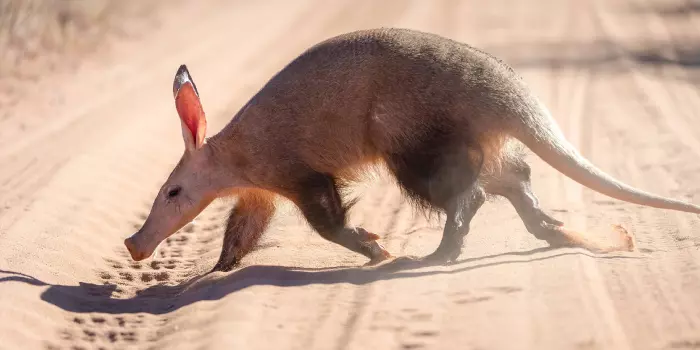
The aardvark, also known as the aardvark, is a creature with a peculiar appearance that captivates and intrigues observers in the African savannas. With its large ears and robust body, this nocturnal mammal is an impressive example of how evolution has shaped the physical adaptations necessary for survival in a complex ecosystem.
Body Structure and Limbs
First of all, the body structure of the aardvark is remarkable. It has an elongated body that can reach up to one meter in length, making it one of the largest insectivorous animals in Africa. Its legs, which are short and sturdy, are adapted for digging. This way, the aardvark is able to easily open ant and termite mounds. Moreover, its long and strong claws play a crucial role in foraging for food. It is impressive to note how each part of its body is designed to facilitate foraging, an essential aspect of its survival.
Fur and Notable Features
The fur of the aardvark is another fascinating characteristic. With a pale beige tone and a rough texture, this fur not only helps it camouflage in the environment but also provides protection against insect bites. Additionally, the aardvark’s long tongue, which can measure up to 30 centimeters, is an exceptional adaptation for capturing ants and termites in their burrows. This sticky tongue works in conjunction with its keen sense of smell, allowing it to locate its prey with remarkable precision.
Thus, by exploring the body and physical adaptations of the aardvark, it becomes clear that every aspect of this remarkable creature is perfectly tuned to its environment. Moving on to the next chapter, we will delve into its feeding habits and intriguing behaviors that help further understand this fascinating African mammal.
Feeding Habits and Behavior
As daylight fades, a small inhabitant of the African savannas prepares to explore the nocturnal world. The aardvark, with its elongated snout and robust limbs, is a master forager. This fascinating mammal, often overlooked by observers, reveals intriguing behavior when it comes to its feeding.
Nocturnal Feeding Habits
The aardvark specializes in exploring the underground in search of ants and termites. With its powerful claws, it digs centimeters of soil in a matter of minutes. This ability makes it essential for controlling insect populations in its habitat. Curiously, during its nocturnal expeditions, it can consume up to 50,000 insects in a single night. Its acute sense of smell guides it in the search for ant colonies, and at the same time, its long sticky tongue is used to capture its prey efficiently.
Social Interactions and Behavior
Socially, the aardvark is a solitary animal, usually found alone. However, on some occasions, it can be seen interacting with other species, such as birds, that follow it in search of insects disturbed during its foraging. Additionally, the presence of other aardvarks can be observed in food-rich areas, although they do not engage in complex interactions. These animals are cautious and, when threatened, prefer to escape rather than confront predators.
As we delve into the feeding habits and behavior of the aardvark, we begin to understand how its nocturnal life is shaped by the relentless search for food. This intriguing mammal not only plays a crucial role in the ecology of the African savannas but also reminds us of the complexity of natural interactions. Thus, we set the stage to explore the fascinating habitat of our protagonist.
Habitat and Distribution
In the vast and impressive stage of the African savannas, where life intertwines in a delicate balance, we find the remarkable aardvark. These fascinating creatures, with their robust bodies and long snouts, are much more than mere foragers; they are a shining testament to Darwinism, adapting to various habitats that range from open savannas to sparse forests.
Natural Habitat
Aardvarks inhabit regions where vegetation is accessible, allowing them to dig in search of insects. They prefer grass-covered lands and shrubs, where they can find colonies of ants and termites, their primary food sources. Thus, the presence of sparse trees not only offers shelter but also serves as an indicator of the types of insects that can be found nearby. Therefore, the quality of their habitat can be a determining factor in their health and reproduction.
Geographical Distribution
The geographical distribution of the aardvark, primarily in southern Africa, is fundamental. This phenomenon is not only a reflection of the climate but also of interactions with other animals. Predators such as lions and hyenas often cross their paths, and thus, the aardvark’s ability to hide under dense vegetation is vital for its survival. Moreover, variations in rainfall directly influence food availability. Thus, seasonal fluctuations often determine the locations where these creatures can thrive and interact beneficially with their environment.
With this intriguing insight into the habitat and distribution of the aardvark, we begin to glimpse its crucial role within the ecosystem, a subject that deserves to be explored in detail next.
Ecological Importance
In the vast fields of the African savannas, the aardvark is not just a curiosity of nature but an extraordinary ecological engineer. As it glides through the vegetation, its presence transforms the environment in which it lives, creating a complex balance that affects many other species sharing this valuable habitat.
Impact on Insect Populations
First of all, the aardvark plays a fundamental role in controlling insect populations. With its diet predominantly composed of ants and termites, you can imagine the impact these animals have in providing a significant ecological service. By feeding on such insects, they prevent their populations from growing uncontrollably, ensuring that other species can also thrive. It is fascinating to note how, with each ant they consume, aardvarks help maintain biodiversity in the savanna soil.
Interactions with Predators
Moreover, their activities directly influence the dynamics of predators in the region. This robust ungulate, by digging burrows and creating holes in the soil, provides shelter and access to a variety of resources. These locations are often used by small mammal and bird species, which take advantage of the modified environment. Thus, the aardvark not only provides food but also living space for many creatures that depend on this environment. Therefore, each aardvark becomes a fundamental piece in the web of life, reflecting the interconnected beauty of nature. Understanding the importance of the aardvark invites us to reflect on the fragility of the ecosystem. In the next chapter, we will explore the challenges this species faces and the urgency of conservation to ensure its continuity in the African savannas.
Conservation and the Future of the Aardvark
As the sun sets over the African savanna, the gap between the survival and extinction of the aardvark becomes increasingly evident. This fascinating mammal, known for its digging ability, faces a series of challenges that threaten its existence. Habitat destruction, largely caused by agricultural and urban expansion, is one of the most pressing issues aardvarks face today.
Current Challenges
The destruction of ecosystems results in the fragmentation of their foraging areas, making it difficult to search for ants and termites, their main food sources. Additionally, poaching, fueled by demand for their skins and meat, contributes to the decline of populations. Another significant challenge is competition with introduced species, which take over territory and resources that once belonged exclusively to them.
Conservation Measures
To ensure that the aardvark does not disappear from the savannas, conservation actions must be prioritized. First of all, protecting natural areas is crucial. The creation of reserves and parks, like those dedicated to protecting other iconic species, can help the aardvark recover its habitat. Furthermore, educational campaigns can raise awareness among the local population about the importance of biodiversity and the vital role of the aardvark in the ecosystem, fostering harmonious coexistence between humans and wildlife.
Thus, as we discuss the future of the aardvark, we must remember that the decisions made today will affect not only this iconic animal but also the integrity of the entire African savanna. The challenge calls us to action.
Conclusions…
In summary, the aardvark, with its specialized diet and role in insect control, is a key piece of the ecosystem of the African savannas. Understanding and protecting this animal is crucial for maintaining the ecological balance in the regions it inhabits. We hope this article has provided you with valuable insights into this unique creature and reinforced the importance of conserving biodiversity.
Did You Know?
What is the aardvark?
The aardvark, or aardvark, is an African mammal known for its unique appearance and diet based on ants and termites.
Where does the aardvark live?
This mammal is found in various regions of the plains and savannas of southern Africa, where its natural habitat is abundant.
What is the aardvark’s diet?
The aardvark has a specialized diet of insects, primarily ants and termites, which it searches for in burrows and holes in the ground.
What is the importance of the aardvark in the ecosystem?
This mammal plays a crucial role in controlling insect populations, helping to maintain ecological balance in its habitat.
How does the aardvark reproduce?
Aardvarks are solitary, except during reproduction, when females give birth to a single offspring after a gestation period of about 7 months.
Is the aardvark threatened with extinction?
Although it is not currently threatened, habitat loss and poaching can pose risks to local populations.
What is the average size of an aardvark?
Aardvarks typically weigh between 40 to 65 kg and can measure up to 1.5 meters in length, including the tail.
How often does the aardvark feed?
These animals are nocturnal and spend most of the night foraging for insects, consuming up to 50,000 ants or termites in a single night.