The Sea Pig: Exploring the Mysteries of the Ocean Floor
The sea pig, a fascinating creature from the ocean depths, has attracted the attention of scientists and curious minds alike. Its unique adaptations and the abyssal habitat it inhabits make it a subject of great relevance for the study of marine biodiversity.
Habitat and Distribution of the Sea Pig
As we descend into the depths of the ocean, we are greeted by a world of dark and cold wonders that challenge our understanding. Just like the intriguing sea pig, a creature that has captured the attention of scientists and curious individuals. This extraordinary organism not only survives but thrives in an abyssal habitat where conditions are relentless.
Abyssal Environment
The habitat where the sea pig resides extends across deep areas of the ocean, typically between 1,000 and 6,000 meters below the surface. Here, the temperature is consistently cold, ranging from 1 to 4 degrees Celsius. The intense pressure, which increases with depth, can reach over 600 times the atmospheric pressure at sea level. These extreme conditions shape not only the physiology of the species but also its ecologically significant interactions.
Soil Composition and Distribution
The composition of the ocean floor plays a crucial role in the distribution of the sea pig. These creatures thrive in nutrient-rich regions, often found in sediments that accumulate over time. Therefore, their geographical distribution is closely linked to the presence of organic contaminants and other nutrients that sustain their diets. Thus, it is possible to observe that their presence can indicate the health of the marine ecosystem. Consequently, exploring this seabed reveals not only the resilience of the sea pig but also the fragility of its habitat. To fully understand the biology and ecology of this fascinating organism, we must continue to delve into the mysteries of the structures and functionalities that allow it to live in these abyssal depths.
Structures and Functionalities of the Sea Pig
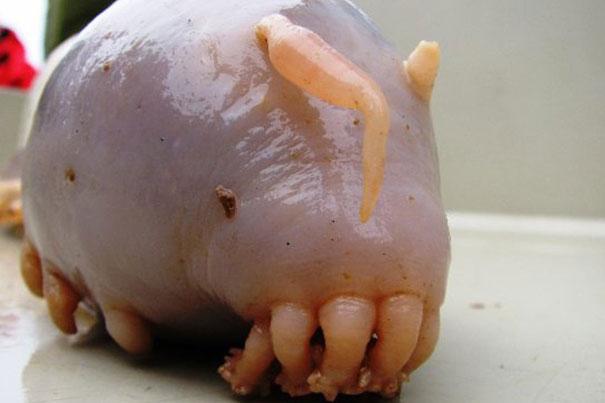
In the depths of the ocean, where sunlight never reaches, resides a fascinating creature: the sea pig. This animal, with its gelatinous appearance and intriguing shapes, is a marvel of evolution, masterfully adapting to the demands of such a hostile environment.
The Anatomy of the Sea Pig
The sea pig has a soft and flexible body, covered by a gelatinous skin that protects it from the extreme abyssal pressures. This skin is not just a barrier; it also serves for gas exchange, allowing the animal to breathe efficiently at the ocean floor. Furthermore, its body extensions, which may resemble tentacles, play crucial roles during locomotion. With movements that appear almost dance-like, these extensions help the sea pig navigate sandy surfaces and explore its habitat in search of food.
Adaptive Functionality
Moreover, the skeletal structure of the sea pig is remarkably lightweight, which, combined with its gelatinous body, allows it to float and move efficiently. Unlike many abyssal inhabitants that rely on rigid fortifications, the sea pig stands out for its adaptability. Its ability to extend and contract its body makes it an excellent forager, capable of infiltrating small nooks where other organisms simply cannot reach. Observing these peculiarities, it is evident that the sea pig is a true masterpiece of nature. Preparing the ground for our next chapter, there is still much to explore about how this creature plays a vital role in its marine ecosystem.
The Ecological Role of the Sea Pig
As we dive into the depths of the ocean, we encounter a creature that plays a fundamental role in the delicate balance of the marine ecosystem: the sea pig. These invertebrates, which inhabit the ocean floor, are much more than mere inhabitants of the abyssal environment; they are essential for nutrient recycling and maintaining biodiversity. Their presence, although discreet, is vital for the health of the ocean.
Contribution to the Food Chain
Sea pigs are important consumers and decomposers in the food chain. They feed on organic matter, such as detritus and remains of organisms, transforming these materials into forms accessible to other living beings. Through this process, they provide a link between decomposition and the nutrition of various marine species, from small crustaceans to larger fish. Additionally, sea pigs serve as food for predators, including fish and mollusks, highlighting their importance in the food dynamics of the ocean floor.
Impact on Nutrient Recycling
Another fascinating aspect of the biology of the sea pig is its ability to recycle nutrients. By consuming organic matter and excreting compounds, these organisms play a crucial role in returning nutrients to the ocean floor. This activity not only fertilizes the seabed but also stimulates the growth of algae and other marine plants, providing a suitable habitat for various forms of life. This symbiotic relationship with the environment highlights the complexity of abyssal interactions, where every creature, even the smallest, has a significant effect. Just like an orchestra, where each instrument has its function, the sea pig acts as a musician who, despite often being forgotten, maintains the harmony of the marine ecosystem. It is vital that we understand and preserve these unique organisms, as their health directly reflects that of our planet, paving the way for the next chapter on the numerous threats the species currently faces.
Threats to the Survival of the Sea Pig
As we dive into the depths of the ocean, we encounter fascinating yet vulnerable creatures. The sea pig, an incredible species that inhabits the ocean floor, faces significant threats that compromise its survival. Although its habits and behaviors are charming, the reality is that external changes are becoming unsustainable.
Deep-Sea Fishing and Its Effects
Deep-sea fishing represents one of the most severe threats to the sea pig. This method, while effective for capturing commercial species, causes devastating damage to its habitat. Trawling nets not only ensnare these pigs but also destroy the delicate ecosystem of the seabed, leading to the death of many forms of life. Additionally, the accidental capture of many other species negatively impacts biodiversity. Thus, each indiscriminate fishing event is another blow to the delicate tapestry of marine life.
Plastic Pollution and Mineral Exploration
Another crucial factor, plastic pollution, harms the health of the oceans. Plastic waste accumulates and hinders the navigation and feeding of the sea pig. Furthermore, mineral exploration in the depths of the ocean has intensified, where sediment excavation causes irreparable disturbances. This habitat loss affects not only the sea pig but also a vast number of other species that depend on this environment to thrive. These interconnected threats highlight the fragility of the marine ecosystem. The preservation of the sea pig thus becomes a vital issue. Protecting this species is crucial to ensuring the health of our oceans and, consequently, our planet.
Conservation and Future Research
As we dive into the depths of the ocean, we encounter a puzzle that challenges our understanding: the sea pig. This fascinating organism, which hides in the shadows of the abyssal zones, faces threats that are often invisible at the surface. Its conservation has become an urgent matter, not only to preserve its existence but also to safeguard the delicate balance of its marine habitats.
Conservation Efforts
Protecting the sea pig requires a collective and multifaceted effort. Organizations around the world are committed to monitoring populations and mapping their habitats, utilizing advanced technologies such as drones and submersibles. These efforts aim not only to better understand their ecological needs but also to address critical issues such as pollution and overfishing. Indeed, the human impact on the abyssal zones is alarming; habitat degradation can compromise the survival of the species. Therefore, the implementation of marine protected areas becomes essential to provide a safe sanctuary for these incredible beings.
Ongoing Research
Innovative research is underway to uncover the secrets of the sea pig. Scientists seek not only to understand its biology and behavior but also its fundamental role in marine ecosystems. These investigations reveal the importance of biodiversity in the ocean depths. Protecting the sea pig also means protecting countless forms of life that depend on this complex habitat. As we continue to explore the depths, it becomes clear that the conservation of the sea pig reflects our responsibility towards all beings that share this vast blue.
With this, as we move on to the next chapter, we will explore how the story of a tiny lizard, the Brookesia desperata, invites us to reflect on the fragility of life in our ecosystems and the importance of preserving them.
Conclusions…
The sea pig emerges as one of the most intriguing creatures of the ocean floor, revealing secrets about life in the abyssal regions. Its extraordinary adaptations not only prove its resilience but also underline the importance of protecting these delicate ecosystems. As we continue to explore and understand these creatures, it becomes evident that preserving their habitats is crucial for the sustainability of the oceans. Each discovery about the sea pig connects us more deeply to the complexity of marine life and motivates us to act in defense of the preservation of these species that are so vital to our planet.
Did you know?
- Where is the sea pig found? The sea pig is found in abyssal regions of the ocean, where it lives in deep and dark environments.
- What are the adaptations of the sea pig? It has unique adaptations, such as gelatinous skin and filaments that help it navigate and feed in the depths.
- What is the diet of the sea pig? Its diet mainly consists of organic detritus and small organisms that float in the water.
- Why is the sea pig important for the marine ecosystem? It plays an essential role in nutrient recycling and maintains the balance of the abyssal ecosystem.
- Are there any threats to the sea pig? Yes, underwater exploration and pollution are significant threats to its survival and habitat.
- How do researchers study the sea pig? Researchers use submarines and diving equipment to observe and collect data on these creatures.
- What is the average size of a sea pig? The size of the sea pig can vary, but many individuals range from 10 to 20 centimeters in length.
- What makes the sea pig different from other marine animals? Its morphological peculiarities and adaptations to the abyssal environment differentiate it from other marine animals.